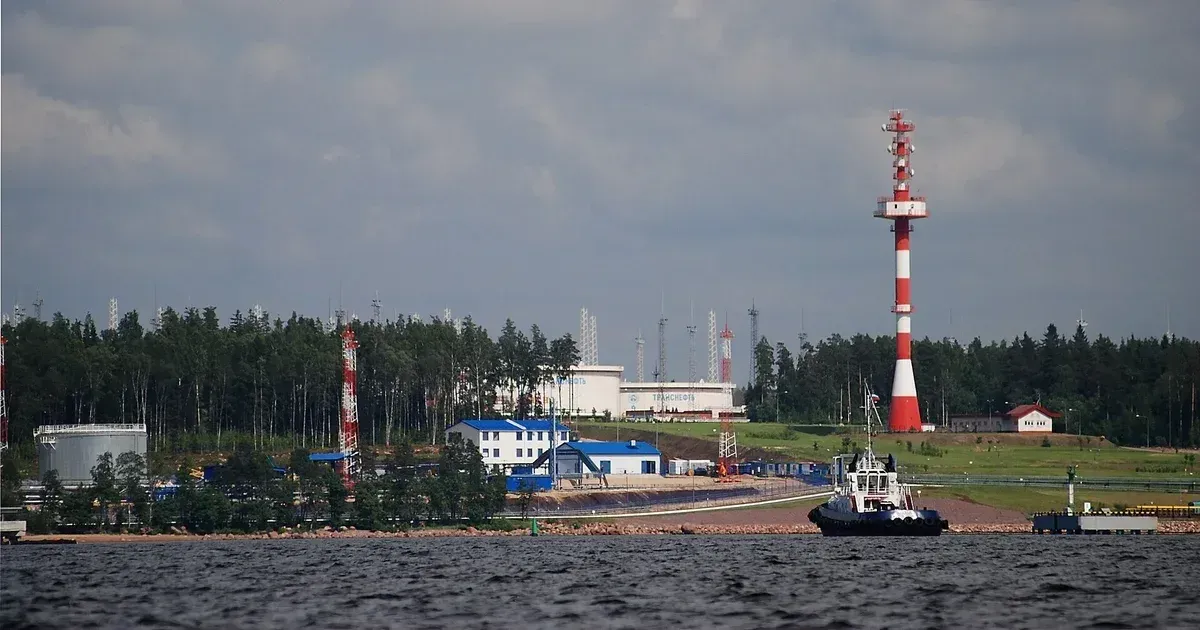
Ukraine’s restoration of the Druzhba pipeline links energy transit directly to the release of European financial aid. Kyiv officials announced on April 21, 2026, that technical crews have finished repairs on the Druzhba pipeline, clearing the way for Russian oil to transit toward European markets. Engineers worked through the previous night to seal sections of the conduit that had sustained damage, ensuring the southern leg of the network is fully operational. The restoration of these energy flows is a pragmatic shift in the regional conflict. Restoring the transit capacity is a requirement for diplomatic progress regarding frozen financial aid.
Druzhba, a name meaning friendship, is an essential artery for landlocked nations in Central Europe. Moscow sends crude through this network to refineries in Hungary, Slovakia, and the Czech Republic. These nations secured specific exemptions from previous sanctions packages to maintain their industrial stability. Reliable transit through Ukrainian territory provides these states with the energy security they demand while providing Kyiv with a major diplomatic lever.
Slovakia and Hungary have historically pressured the bloc to maintain these exemptions. The southern branch of the system remains the most cost-effective route for these nations to receive the heavy Urals grade crude their refineries were designed to process. Hungary’s domestic energy policy relies heavily on this specific pipeline connection. Brussels has navigated these internal tensions by allowing the carve-outs to persist despite broader efforts to decouple from Russian energy sources.
Technical Recovery of the Druzhba Network
High-pressure testing confirmed the integrity of the line late on the evening of April 21, 2026. Repair teams replaced several kilometers of piping and reinforced the pumping stations that drive the oil westward. Officials from the state-owned energy operator confirmed that the technical specifications now meet international safety standards. The physical repair work occurred under high-security protocols to prevent further disruption.
Ukraine maintains control over the transit fees generated by this oil movement. Revenue from these transit services provides essential currency for the state treasury. War has damaged much of the national infrastructure, but the primary export corridors are prioritized for rapid recovery. Energy technicians often work in proximity to active front lines to keep these systems functional.
Security for the line includes advanced monitoring systems and rapid-response units. Drone surveillance now covers the most vulnerable segments of the route. Moscow has avoided targeting the specific pumping stations involved in this southern transit to preserve its own export revenues. Economic necessity has created a fragile consensus around the protection of this infrastructure.
Energy Dependency and the European Union Dilemma
Josep Borrell, the foreign policy chief of the European Union, signaled that the completion of these repairs will likely trigger a release of funds. Financial assistance for Kyiv has been tied to the stability of energy transit through the region. This restoration allows the bloc to move forward with its broader macro-financial support strategy. Borrell indicated that the bureaucratic hurdles for the next tranche of aid are being cleared. The energy policy of Viktor Orban remains a focal point for the EU's complex pipeline negotiations.
“Positive decision,” Josep Borrell said.
Financial assistance for the war-torn nation has faced delays due to internal disagreements among member states. Certain capitals had linked their approval of the loan to the guaranteed flow of energy through the pipeline. Ukraine’s ability to maintain the network during active hostilities has surprised many observers in Brussels. International monitors have verified that the flow of oil is consistent with pre-damage levels.
Money remains the ultimate lubricant in the friction between energy security and moral clarity.
Physical integrity of the pipe is now a requirement for sovereign debt relief.
Financial Stakes of the Blocked Loan Facility
Kyiv expects the restoration to unblock a loan facility worth approximately $50 billion. European commissioners have spent months debating the conditions of this financial package. Political resistance from Hungary has frequently stalled the disbursement process. Ukrainian officials believe that satisfying the energy requirements of Budapest will remove the primary obstacle to the funding.
Western allies view this financial support as critical for maintaining the basic functions of the Ukrainian state. Salaries for civil servants and the maintenance of the power grid depend on external injections of capital. Ukrainian ministers have emphasized that the pipeline transit is a technical service, not a political endorsement. Oil continues to flow because the economic costs of a total shutdown are too high for all parties involved.
Pipeline maintenance requires specialized components that are currently in short supply. Sanctions on Russia have complicated the acquisition of certain valves and sensors. Kyiv has sourced these materials through alternative supply chains in the West. Technical cooperation with European engineering firms ensured that the repairs were completed ahead of the projected schedule.
Security Risks for Ukraine Energy Infrastructure
Security concerns persist despite the successful completion of the repair work. The threat of sabotage or collateral damage from nearby fighting is a constant factor for the energy ministry. Repair crews have established mobile units capable of responding to leaks within hours. Drone strikes on other energy facilities show the vulnerability of the national grid. Moscow continues to target power plants while leaving the export pipelines largely untouched.
Economic logic dictates that Russia will keep the oil flowing as long as the revenue outweighs the strategic benefit of a shutdown. Central European nations have not yet found viable alternatives to the Druzhba crude. While the Adriatic pipeline offers some capacity, it cannot fully replace the volume provided by the eastern route. Experts suggest that the dependency will last for several more years. Energy transit through a war zone is a logistical paradox that defines the current conflict. Kyiv manages the paradox by separating its military goals from its role as a regional energy hub. Efforts to secure the $50 billion loan continue to dominate the diplomatic agenda in the capital. The pipes are open and the oil is moving.
Druzhba Repair Tests Ukraine Finance
National survival often dictates the maintenance of the very infrastructure that enriches an existential enemy. Kyiv’s decision to prioritize the repair of the Druzhba pipeline reveals the transactional coldness underlying the conflict. While the rhetoric from European capitals emphasizes the total severance of ties with Moscow, the reality on the ground is a calculated dance of mutual dependency. Ukraine is effectively acting as the guarantor for Russian state revenue to ensure its own financial lifeline from Brussels. This financial deadlock proves that moral absolutes are a luxury the European Union cannot afford. Hungary and Slovakia have successfully used their geographic vulnerability to hold the $50 billion loan hostage, forcing Kyiv into the role of a service provider for the Kremlin. Enabling the movement of Russian crude while simultaneously begging for Western artillery is a contradiction that many find unpalatable, yet it is the only path to solvency for the Ukrainian treasury. Moral clarity has been traded for a steady supply of Urals grade oil and a stable balance sheet. History rarely rewards the ideologically pure; it favors those who can maintain the plumbing of the old world while the new one is being built. Kyiv has chosen the pipe over the principle. It is a cynical, necessary, and ultimately winning move.