American forces interdicted multiple Iranian attack drones in the Strait of Hormuz as hostilities entered a second phase of direct engagement. The drone interception gave American commanders a tactical success and a diplomatic problem. Tehran can treat the shootdown as proof that the conflict is still widening. Pentagon officials confirmed the defensive actions took place on June 7, 2026, marking exactly 100 days since the current military campaign began. These interceptions occurred late Saturday evening when US systems detected unmanned aerial vehicles approaching essential maritime corridors. Shipping traffic through the narrow waterway is a meaningful portion of global energy exports, making any disruption a priority for Western naval assets. Military records indicate these drones were specifically targeting vessels near the Omani coast.
Central Command reported that US personnel downed two drones threatening international transit. Separate accounts from The Independent suggest the engagement was broader, involving the destruction of six Iranian missiles within the Gulf. This discrepancy in figures highlights the volatile nature of intelligence gathering during active maritime skirmishes. Iranian forces launched the assets from coastal positions, according to preliminary telemetry. Neutralizing these threats required the coordinated effort of carrier-based aircraft and Aegis-equipped destroyers stationed in the region.
Naval Interceptions in the Strait of Hormuz
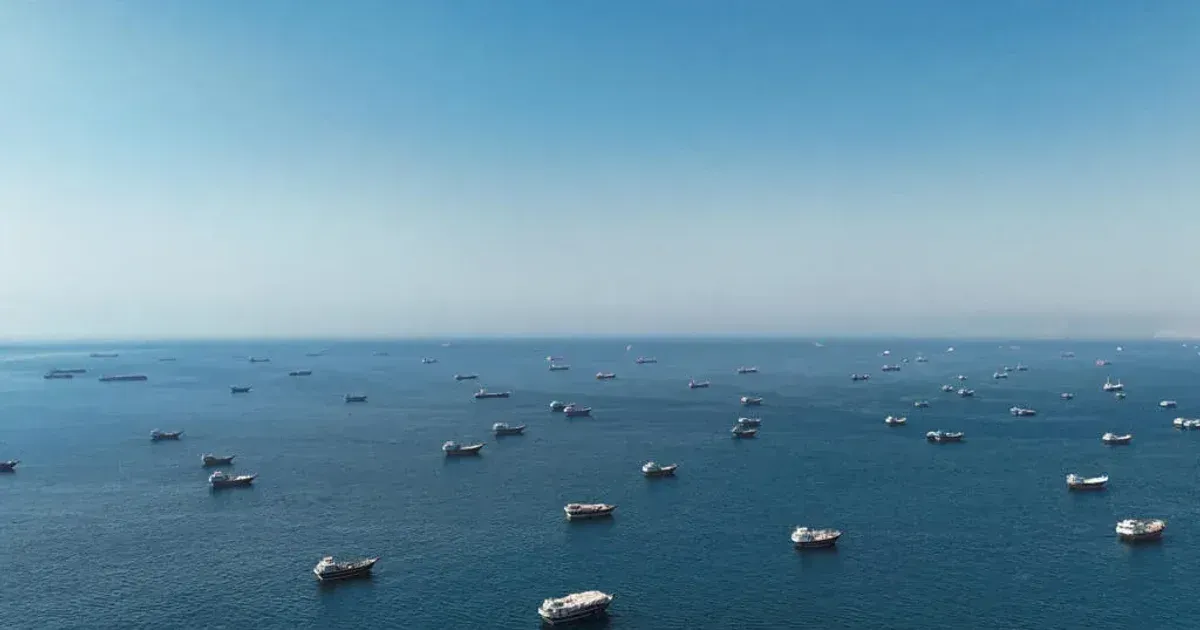
Attacks involving unmanned systems have become a persistent feature of the waterway since hostilities intensified. Pentagon spokespeople stated the drones were designed for precision strikes against surface targets. Commercial shipping companies have responded by altering routes or requesting armed escorts for passage through the Gulf of Oman. Maritime insurance premiums for tankers operating in the region have increased sharply over the past three months. Shipping lanes remain congested as vessels wait for security clearance from allied naval task forces.
Tehran maintains its military posture is defensive, yet the frequency of drone launches has not diminished. Combat operations on June 6, 2026, required American naval units to use electronic warfare and kinetic interceptors. International maritime observers noted that the latest incident occurred near a high-density transit zone. Tactical reports from the scene suggest the Iranian drones were flying at low altitudes to evade radar detection. US officials categorized the movement as a direct threat to the freedom of navigation.
"I destroyed Tehran's military," Donald Trump claimed during a public briefing regarding the ongoing Gulf operations.
Donald Trump made these assertions while addressing the escalating costs of the conflict. He argued that Iranian capabilities had regenerated, despite his own claims of total military degradation. These political statements contrast with the reality on the water, where Iranian assets continue to challenge US and Israeli dominance. Military analysts point to the continued production of cheap, effective drone technology as a primary factor in Tehran's resilience. Public debate in Washington has shifted toward the sustainability of long-term maritime patrols.
One Hundred Days of Trilateral Conflict
Warfare in the Gulf has entered a new phase of attrition. Heightened tensions near the strategic port of Bandar Abbas remain a primary focal point for ongoing Pentagon operations.
February 28, 2026, marked the start of what has evolved into a US-Israel war against Iranian interests. Data visualized by Al Jazeera tracks 100 days of consistent military exchanges across multiple fronts. Human costs have mounted as civilian infrastructure near coastal zones faces collateral damage. Economic indicators show a sharp decline in regional trade volumes since the initial outbreak of violence. Both Israeli and American forces have integrated their command structures to manage the complex aerial environment above the Persian Gulf.
Israel has provided critical intelligence regarding the location of drone manufacturing facilities. This cooperation has allowed for pre-emptive strikes on launch sites, though Tehran continues to use mobile platforms. Intelligence sources suggest the Iranian military has decentralized its command hierarchy to ensure continuity of operations. Conflict between these powers has now surpassed the duration of many previous regional crises. Allied strategists are currently reviewing the 100-day data to adjust their defensive posture for the summer months.
Global oil prices responded to the latest Hormuz engagement with a sharp uptick in futures trading. Market analysts expressed concern that a prolonged closure of the strait could lead to severe supply shocks. Crude oil tankers have been forced to loiter in the Arabian Sea, waiting for security assurances that often take days to materialize. Energy transit remains the primary vulnerability for Western economies in this confrontation. Security protocols for commercial vessels now include 24-hour watch cycles and enhanced communication with the US Navy.
Regional Stakes and Political Rhetoric
Regional stability appears increasingly fragile as the conflict extends beyond its third month. Diplomatic efforts to mediate the crisis have stalled, with both sides refusing to accept preliminary ceasefire conditions. Donald Trump continues to use the conflict as a centerpiece of his political messaging, often contradicting official military assessments. His claims of having already dismantled the Iranian military create a difficult narrative for current commanders who are still facing daily threats. Defense contractors have reported a surge in orders for counter-drone systems as a result of the 100-day war.
International law experts are debating the legality of the maritime exclusion zones established by the warring parties. These zones have complicated the movements of neutral nations, leading to formal protests from major Asian economies. Security in the Gulf depends on the clear identification of commercial versus military targets, a task made difficult by the use of swarming drone tactics. Iranian naval units have been observed conducting maneuvers near the shipping lanes in a show of force. The 100-day milestone is a marker for the enduring nature of this trilateral struggle.
Iranian Drones Challenge Western Deterrence
Does the persistence of Iranian drone launches after 100 days of combat suggest a failure of Western deterrence? The current dynamic indicates that traditional naval superiority is being challenged by low-cost, asymmetrical technologies that Tehran can produce at scale. Security in the Strait of Hormuz is no longer guaranteed by the presence of a carrier strike group alone. Instead, the conflict has transformed into a technological race where the cost of the interceptor vastly outweighs the cost of the threat.
Regional powers must now consider the possibility of a permanent state of low-intensity maritime warfare. If Tehran can sustain this level of activity despite 100 days of strikes, the assumption of a quick military resolution is fundamentally flawed. Strategic depth is currently favoring the actor capable of sustaining long-term attrition. The focus of the Pentagon may need to shift from temporary stabilization to the permanent fortification of global energy arteries. Success in this theater will depend on the ability to neutralize mobile launch platforms before they can saturate allied defenses.