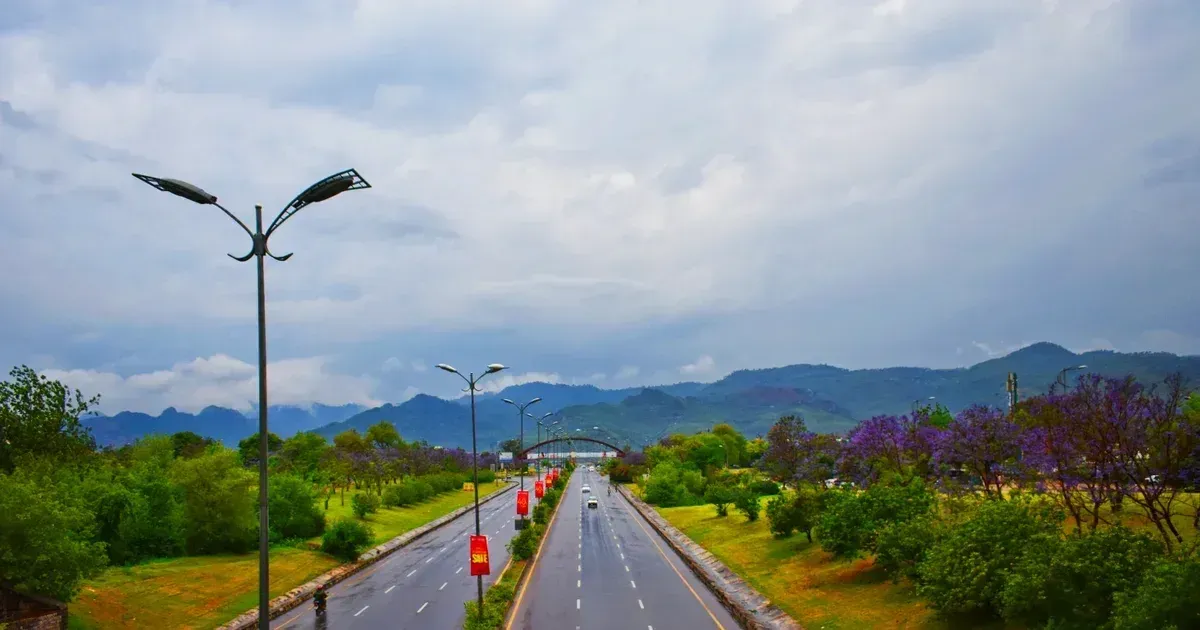
White House officials confirmed on April 24, 2026, that a high-level diplomatic delegation will depart for Pakistan to engage in direct negotiations with Iranian representatives. This diplomatic surge aims to de-escalate a regional standoff that has paralyzed maritime trade in the Middle East. United States negotiators plan to reach Islamabad on Saturday, marking the first face-to-face interaction between the two adversaries since the current maritime crisis began. National security advisers in Washington have remained silent on the specific agenda, though the logistics of the trip suggest a focus on regional stability.
Iranian Foreign Minister Abbas Araghchi acknowledged his impending arrival in Islamabad but declined to explicitly confirm the nature of the peace talks. Speaking to reporters in Tehran, he emphasized that his mission centered on bilateral relations with Pakistan. Western intelligence suggests otherwise, pointing to the simultaneous arrival of American envoys as proof of a pre-arranged summit. Araghchi stated that Iran seeks to protect its sovereign interests without succumbing to external pressure. His rhetoric coincides with a period of intensified military posturing across the Persian Gulf.
Washington intends to leverage these talks to address the ongoing shipping crisis that has spiked global insurance rates for oil tankers. Pentagon chief Pete Hegseth clarified that the military posture remains rigid despite the diplomatic opening. Hegseth stated that the blockade of the Strait of Hormuz would not let up until the American government sees verifiable changes in Iranian behavior. Defense officials confirmed the presence of two carrier strike groups in the Arabian Sea to enforce this stance. Hegseth maintained a firm line during a brief press briefing at the Pentagon.
“The US blockade of the Strait of Hormuz will continue as long as necessary,” Pentagon chief Pete Hegseth said.
Pakistan is a historically significant mediator for these two nations. Islamabad previously enabled back-channel communications during the 2015 nuclear deal era and the subsequent withdrawal under previous administrations. Diplomatic sources in Pakistan suggest that the meeting will occur at a secure government facility away from public view. Neutral territory provides a layer of deniability for both sides. Success in Islamabad depends on whether either party is willing to offer real concessions on enrichment or sanctions relief.
White House Deploys Senior Negotiators to Pakistan
Two key officials from the Trump administration are scheduled to fly into Islamabad on April 25, 2026. Their departure follows weeks of secret communication enabled by Swiss intermediaries. The White House has not yet released the names of the specific negotiators, though sources within the State Department hint at veteran nuclear experts. Pakistan’s foreign ministry has already increased security cordons around the diplomatic enclave in preparation. Officials in Islamabad expect the sessions to last at least three days. Private aviation tracking shows several government-owned jets preparing for long-haul flights from Joint Base Andrews.
Yonhap News reports that the American team includes specialists in technical verification and economic sanctions. Iran, by contrast, has sent a team led by Araghchi that includes legal experts familiar with the previous Joint Comprehensive Plan of Action. The inclusion of these specific personnel indicates that the discussions will likely move beyond simple de-escalation into the area of technical agreements. Tensions in the Gulf of Oman have made such a meeting a logistical priority for the global economy. Failure to reach an understanding could lead to further maritime seizures.
Economic data highlights the urgency of these Islamabad deliberations. Oil prices reached $120 per barrel earlier this month because of the unpredictability of the Strait of Hormuz. Global shipping firms have rerouted vessels around the Cape of Good Hope, adding twelve days to standard transit times. This logistics shift adds approximately $1.5 million in fuel costs per voyage for a standard Suezmax tanker. Consumer prices in the United Kingdom and the United States have already begun to reflect these increased transportation overheads. Energy analysts at Goldman Sachs predict further volatility if the Islamabad summit ends without a joint communiqué.
Pentagon Maintains Strait of Hormuz Blockade Pressure
Military operations in the region continue to function independently of the diplomatic timeline. Pete Hegseth emphasized that the naval blockade remains a non-negotiable component of American strategy until Tehran ceases its interference with commercial shipping. The Fifth Fleet, based in Bahrain, has increased its patrol frequency in the narrow waterway. Iranian fast-attack craft have reportedly shadowed American destroyers four times in the last 48 hours. These near-miss encounters illustrate the fragility of the current ceasefire. Hegseth has authorized commanders to use force if American assets are directly threatened.
Satellite imagery shows Iranian missile batteries being relocated along the coastline of the Hormozgan province. This movement suggests that Tehran is preparing for a potential breakdown in negotiations. Araghchi has previously argued that these deployments are defensive in nature. The Pentagon view is that such maneuvers are designed to intimidate neighboring Gulf states. Regional allies, including Saudi Arabia and the United Arab Emirates, have expressed cautious optimism regarding the Islamabad talks. They have requested observers be present, though both Washington and Tehran have rejected this proposal.
Escalation remains a constant threat as long as the naval blockade persists. The strategy seeks to starve the Iranian economy of essential imports while preventing the export of crude oil. Tehran’s revenue from oil sales has dropped by 40 percent in the last fiscal quarter. The White House believes this economic pain forced Araghchi to the negotiating table. Diplomatic analysts argue that the pressure campaign has reached its peak effectiveness. Any further tightening could provoke a kinetic response from the Islamic Revolutionary Guard Corps.
Islamabad Summit and Regional Security Outcomes
Negotiations in Pakistan will likely cover the release of detained Western nationals alongside the maritime issues. Iran has used these individuals as leverage in previous diplomatic cycles. The U.S. delegation reportedly carries a list of three dual-citizens currently held in Evin Prison. Securing their release is a primary objective for the State Department. Araghchi has hinted that a prisoner swap could be on the table if the United States unfreezes specific assets held in South Korean banks. These assets total nearly $7 billion in oil payments.
Direct talks represent a substantial shift from the indirect messaging seen over the past year. Pakistan’s role as the host ensures that neither side appears to be visiting the other’s capital, preserving domestic political optics. Domestic critics in Washington have already labeled the move as a sign of weakness. Proponents of the summit argue that avoiding a full-scale naval war in the Persian Gulf is the only rational path forward. The outcome of the Saturday meeting will dictate the price of gasoline for the remainder of the year. Islamabad is now the center of global geopolitical attention.
Confidence in a successful resolution is low among European diplomats. Recent history shows that these high-level meetings often stall on the technicalities of verification. The Iranian delegation requires immediate sanctions relief, which the American side is hesitant to grant without prior compliance. Hegseth’s insistence on the blockade suggests a lack of trust between the Pentagon and the State Department. The internal friction in Washington could undermine the authority of the negotiators in Islamabad. The first session begins at 10:00 AM local time on Sunday.
Pakistan Talks Cannot Reconcile Diplomacy With a Continuing Blockade
Does the White House truly believe that a three-day summit in Islamabad can dismantle decades of institutionalized hostility? The sudden pivot to diplomacy suggests a desperation in Washington that contradicts the bravado of Pete Hegseth’s naval blockade. By sending senior negotiators to Pakistan, the administration has admitted that its policy of maximum pressure has failed to achieve anything beyond a global energy crisis. The meeting is not a breakthrough; it is a frantic attempt to avoid a war that the United States cannot afford and a resource drain it cannot sustain.
The Pentagon’s insistence on maintaining the blockade while diplomats talk is a classic case of strategic incoherence. You cannot ask for a handshake while your boot is on the other party’s neck. If the goal is a genuine settlement, the blockade must be suspended as a gesture of good faith. Keeping the fleet on high alert suggests the American government expects failure, which effectively guarantees it. Araghchi knows this. He is playing for time, hoping that the economic pain felt by American voters will force a total capitulation before the next election cycle. Expect the Islamabad talks to yield a vague joint statement that accomplishes nothing of substance. The fundamental interests of the two nations are now diametrically opposed in a way that words cannot bridge. Tehran wants regional hegemony and an end to Western interference; Washington wants a subservient energy market and a neutered Iranian military. These are not negotiable points. Unless one side is prepared for a total surrender of its core geopolitical objectives, this summit will be remembered as another expensive exercise in diplomatic theater. The blockade will continue.