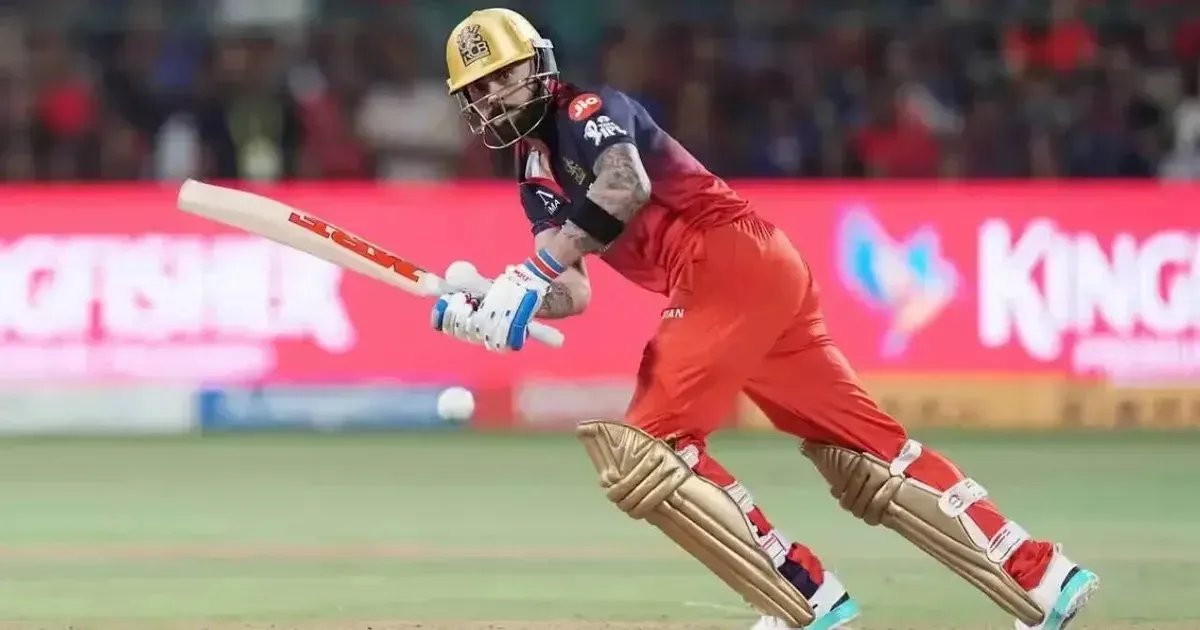
Virat Kohli penalized Gujarat Titans on April 24, 2026, when captain Shubman Gill dropped the veteran batsman on his first delivery at M. Chinnaswamy Stadium. That missed opportunity at second slip allowed the former Indian captain to stabilize an innings that initially appeared fragile. While early pressure from the visitors looked promising, the failure to secure a wicket on the first ball altered the trajectory of the entire contest. Royal Challengers Bengaluru successfully chased a target of 206 runs to secure a five-wicket victory in front of a capacity crowd. Cricket analysts noted that the lapse in concentration by Gill provided the opening RCB needed to regain their momentum.
Gill Reflects on Dropped Kohli Catch
Captain Shubman Gill addressed the press immediately following the defeat to discuss the critical error that defined the evening. He acknowledged that the momentum shifted the moment the ball hit the turf. Fielding at a high level remains a requirement for success in the IPL, yet even elite players face lapses in judgment. Gill expressed frustration with the inability of his side to capitalize on the early psychological advantage they held over the Bangalore openers. The captain noted that dropping a player of Kohli's caliber on zero is statistically equivalent to conceding fifty runs immediately.
“I mean, when a batsman gets dropped on nought, it's always tough on the fielder. But it's about how you come back in the game. We had our moments. But we weren't able to hit the right lengths consistently, which was important. But they batted very well in the middle overs,” Shubman Gill said.
Bowling units often struggle to maintain their discipline when a primary tactical plan fails in the opening over. Gujarat Titans seamers lacked the precision required to defend a total exceeding two hundred. Gill specifically highlighted the failure to hit consistent lengths as the match progressed into the evening dew. Data from the game shows that nearly 40 percent of the deliveries in the middle overs were either too short or too full. These errors allowed the batting side to score freely without taking unnecessary risks. The captain stayed in the field for the duration but could not find a way to plug the scoring leaks.
Sai Sudharsan Century Falls Short Against RCB
Left-handed opener Sai Sudharsan constructed a masterful innings earlier in the day to give the Titans a powerful total. He reached his hundred with a mix of classical drives and innovative sweep shots that silenced the Bengaluru faithful for a large portion of the first innings. His performance provided the backbone for a score that most teams would consider safe at this venue. Sudharsan used the short boundaries effectively and targeted the spinners during the middle-over phase. His century included twelve boundaries and three sixes, marking a high point in his young career.
Totaling 206 for the loss of only three wickets usually guarantees a win in most domestic T20 formats. Despite this, the individual brilliance of Sudharsan was overshadowed by the systemic failure of the Titans' defense. Teammates failed to provide the necessary support in the field to protect the runs he had worked so hard to accumulate. The scorecard reflects a dominant batting performance that lacked the necessary bowling complement. Sudharsan left the field with the highest individual score of the match. His contribution stayed relevant until the very final overs of the chase.
Padikkal and Kohli Build Winning Partnership
Jacob Bethell fell early in the RCB response, leaving the home side in an unstable position at 12 for 1. Devdutt Padikkal joined Virat Kohli in the middle to construct a response that neutralised the Gujarat bowling attack. The duo added 115 runs for the second wicket, effectively taking the game away from the visitors. Padikkal showed striking maturity by rotating the strike and allowing his senior partner to find his rhythm. They targeted specific bowlers, ensuring the run rate stayed within manageable limits throughout the middle phase. This partnership exploited the lack of length consistency that Gill later lamented in his post-match analysis.
Bengaluru fans witnessed a display of tactical batting that prioritized placement over raw power. Kohli used his second life to punish any delivery that strayed onto his pads. Meanwhile, Padikkal used his height to punish the short ball, pulling with authority whenever the Titans' pacers over-compensated for their earlier errors. By the time the partnership was broken, the required run rate had dropped below eight runs per over. The foundation they laid ensured that the lower middle order could finish the job without excessive pressure. The home side reached the target with balls to spare.
Gujarat Titans Fail to Maintain Bowling Lengths
Inconsistency plagued the Gujarat bowling attack from the sixth over onwards. Rashid Khan struggled to find his usual zip on a pitch that offered more assistance to the batsmen than the slow bowlers. The pace battery, led by veteran performers, could not extract the bounce needed to trouble Kohli or Padikkal. Technical reports from the match indicate a substantial deviation from the pre-game bowling plan. Instead of attacking the top of the off-stump, bowlers often drifted toward the leg side. These errors were compounded by the psychological weight of the dropped catch in the first over.
Statistical tracking showed that the Titans conceded more than sixty runs in the final five overs of the powerplay and middle overs combined. This leakage made the 206-run target look much smaller than it appeared during the innings break. RCB batsmen took advantage of the predictable variations offered by the frustrated bowling unit. Each boundary scored seemed to heighten the tension within the Gujarat infield. The match concluded when a wayward delivery was dispatched to the fence for the winning runs. Gujarat Titans now face a difficult path to the playoffs following this defensive collapse.
One Missed Catch Exposes Gujarat’s Failure Under Pressure
Observing the Gujarat Titans' collapse in Bengaluru reveals a deeper structural flaw in Shubman Gill’s leadership during high-stakes pressure moments. While the drop on the first ball was a physical error, the subsequent tactical paralysis was an intellectual failure. A championship-caliber side does not allow one missed chance to dictate the temperament of eleven professional athletes for three hours. The Titans acted like a team that had already conceded defeat the moment Kohli survived his first delivery. This lack of resilience suggests that the franchise has not yet developed the psychological armor required to replace the veteran leadership of previous seasons.
Kohli’s innings was not a display of technical perfection, but rather a cold exploitation of an opponent’s mental fragility. He did not need to be spectacular because the Titans were busy being incompetent. When a captain admits his bowlers could not hit their lengths, he is effectively admitting a loss of control over the game's basic mechanics. RCB did not win this game through sheer brilliance. They won because they were the only team on the pitch that remained mentally present after the first five minutes. The Titans are currently a collection of talented individuals masquerading as a cohesive unit.
Unless Gill finds a way to instill discipline when the plan goes awry, his captaincy will be defined by these avoidable disasters.