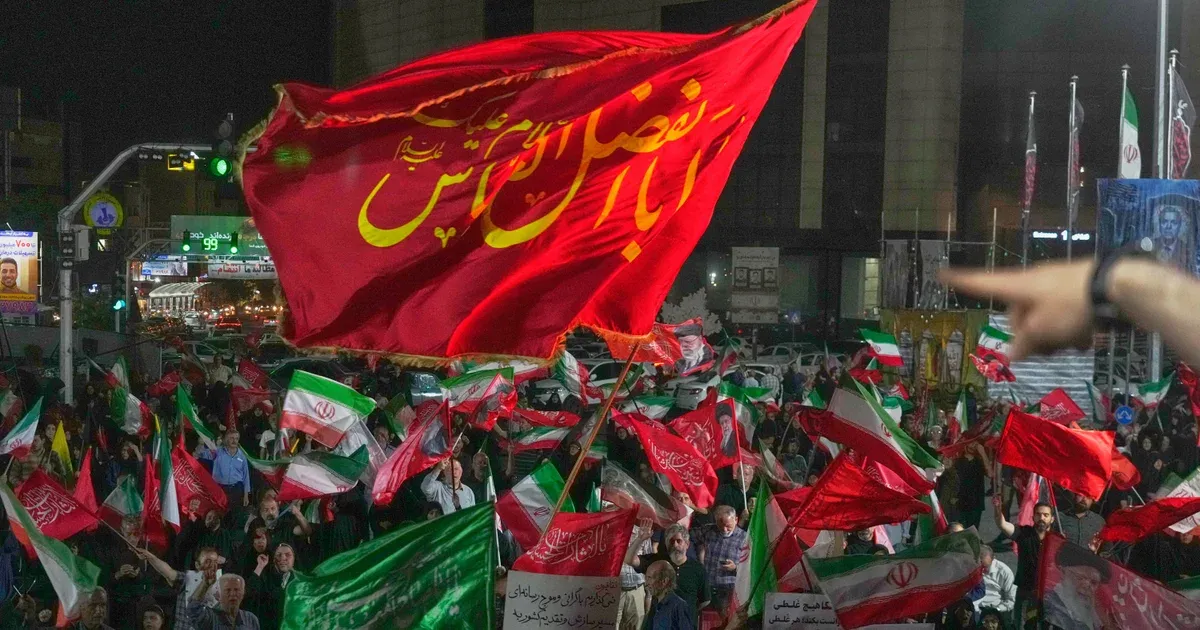
Water plants, power units and transport links have entered the target set in the widening fight between the United States and Iran, bringing essential civilian services closer to the center of the war.
On July 18, 2026, Iranian attacks hit a desalination plant and an oil facility in Kuwait while US strikes damaged electricity, water and road infrastructure in southern Iran, according to authorities and state media cited by the Associated Press.
The exchange followed six previous nights of US attacks and pushed the conflict beyond military sites on both sides of the Strait of Hormuz. Tehran also said it was suspending commitments made under an interim agreement signed with Washington about a month earlier, during previous mediation efforts.
That geography carries consequences well outside the countries trading fire. The strait previously handled about one-fifth of global crude oil, and insurers, ship operators and energy buyers price disruption there even when tankers continue moving. Bandar Abbas serves Iran's principal southern port, while Qeshm Island sits inside the waterway. Attacks on their roads, power and water connect the shipping threat to services used by residents across the Gulf.
Kuwait's Water Network Takes a Direct Hit
Kuwaiti authorities said a fire at the desalination plant forced several power-generation units offline. Several people were injured at the oil facility, while firefighters and a worker were hurt battling two other blazes linked to Iranian strikes. Officials did not identify the locations of the water and oil sites, limiting any outside estimate of repair time or the amount of generating capacity lost.
The damage is unusually sensitive because Kuwait obtains about 90% of its drinking water through desalination infrastructure. Saturday's fire was the second reported attack on a desalination plant in the country in two days, turning a military exchange into an immediate test of water and electricity continuity. Repeated damage reduces the time available for inspection and repair before another alert interrupts the work.
Kuwait briefly closed its airspace as missiles approached, and Kuwait Airways began rescheduling most flights to and from the capital. Iraq reported shooting down drones over Irbil, Jordan said its air defenses intercepted Iranian missiles, and sirens sounded in Bahrain and Saudi Arabia.
US Attacks Reach Southern Iran's Utilities
Iranian state television reported strikes on an electricity and desalination plant in Hormozgan province. The state-run IRNA news agency said the Bonji water plant was destroyed, cutting supplies to roughly 10,000 people, and reported damage to another desalination facility on Qeshm Island. Neither claim had an independent damage assessment in the accounts available Saturday.
Bridges and tunnels on routes toward Bandar Abbas were also hit. The port sits near the narrowest section of the Strait of Hormuz, so damage to roads in that corridor affects both military movement and the commercial logistics serving Iran's main southern port.
US Central Command described its seventh consecutive night of attacks in narrower military terms. Its statement did not address Iranian reports about the damaged water plants, bridge or electricity facilities, leaving the two governments with materially different public accounts of the same campaign:
“Surveillance sites, military logistics infrastructure, underground weapons storage, and maritime capabilities.”
Iran's Energy Ministry had acknowledged attacks on power infrastructure a day earlier and asked residents in southern provinces to reduce electricity use during extreme heat. Desalination itself requires dependable power, while power stations need cooling and functioning transport links for parts and fuel. Damage in one part of that chain can reduce output elsewhere even when a second facility is untouched. The combination of damaged generation, heavy cooling demand and reduced water production places households in the same operational chain as military targets.
The Month-Old Agreement Loses Its Restraint
Deputy Foreign Minister Kazem Gharibabadi told Iranian state television that Tehran was no longer carrying out commitments under the interim agreement. He accused Washington of violating its side of the arrangement. AP reported no new movement in mediation efforts after that announcement.
The suspension removes one of the few formal limits still connecting the belligerents. An interim document can restrain behavior only while both governments see value in compliance; repeated strikes on infrastructure make verification, retaliation limits and any return to talks harder to separate during an active campaign.
BBC and NBC coverage also described the exchange as an expansion from military facilities toward water and energy assets. That change narrows the room for mediators because a pause must now address damage to public utilities as well as weapons sites, naval activity and the terms of the abandoned arrangement.
The water and power attacks also alter the cost calculation for Gulf governments that are not direct parties to the US-Iran dispute. Kuwait, Bahrain, Iraq, Jordan and Saudi Arabia are now spending air-defense capacity, changing flight operations or managing damage while trying to avoid a wider regional role. Every interception also carries a debris risk, while temporary airspace closures disrupt passenger schedules and emergency logistics long after an alert ends.
Civilian Water Systems Now Define Escalation Risk
Control of the strait remains the military contest, but civilian water systems set a practical boundary. Desalination plants are difficult to replace quickly, and damage can spread through electricity production, hospital operations, sanitation and emergency response even when casualty figures remain limited.
A sustained campaign against those systems would force Gulf capitals to treat water security as part of air defense rather than ordinary utility management. Repair teams require safe access, replacement equipment and steady electricity, all while missile alerts can close airspace and delay outside support. The clearest measure of escalation is therefore no longer the number of strikes alone; it is whether crews can restore water and power before the next attack interrupts the same network.