The U.S. ship seizure raised the diplomatic cost of the pending Pakistan peace talks. Emmanuel Macron issued a stern plea for global restraint on April 20, 2026, as an unstable ceasefire between the United States, Israel, Iran, and Lebanon reached a breaking point. France’s president addressed the press in Paris to insist that all parties maintain the current diplomatic architecture to prevent a wider regional fire. Iranian officials responded to the recent maritime escalation by threatening to boycott a high-stakes summit scheduled to begin later this week in Islamabad. Washington remains committed to sending its delegation to the Pakistani capital regardless of the deteriorating security environment.
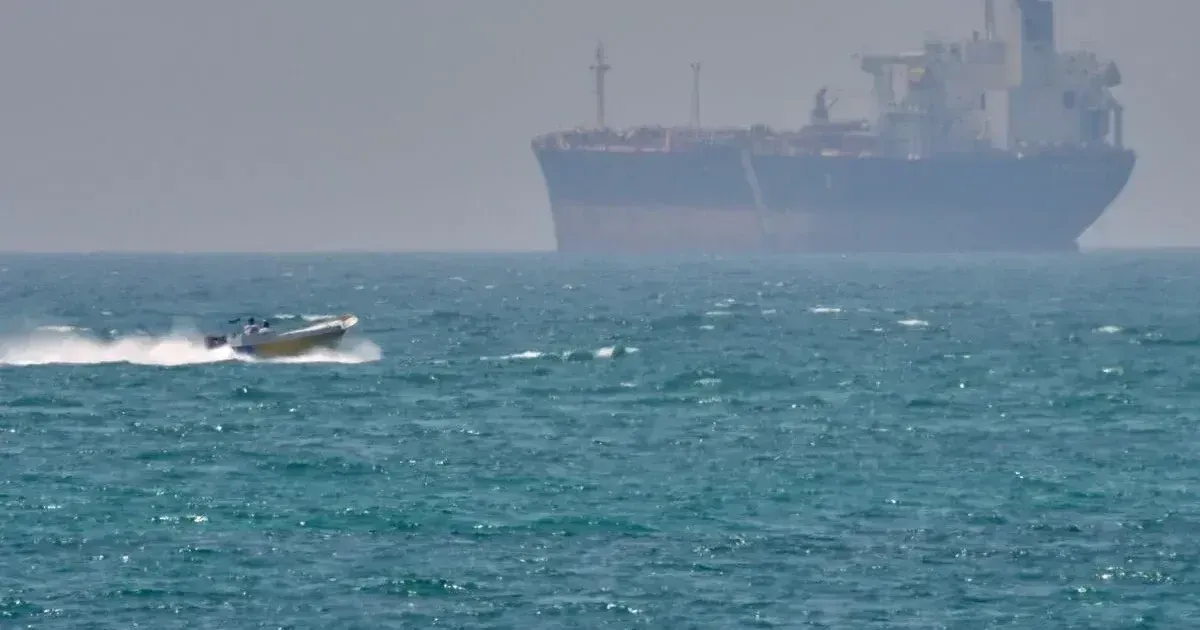
Tehran representatives claim the detention of a commercial vessel by American forces constitutes a violation of international maritime law. This seizure occurred in the Strait of Hormuz during the late hours of Sunday evening. Naval records indicate the vessel was intercepted by the U.S. Coast Guard on suspicion of transporting sanctioned petroleum products. Iranian state media outlets characterized the event as an act of piracy intended to sabotage the peace process. Command centers in the Persian Gulf report increased activity among Iranian Revolutionary Guard fast-attack craft.
Maritime security firms have advised commercial shipping to exercise extreme caution when navigating the narrow chokepoint. Pakistan had prepared for months to host these discussions, viewing the summit as a way to solidify its role as a neutral intermediary in the Middle East. Security personnel in Islamabad have already cordoned off the red zone in anticipation of the arrival of foreign dignitaries. Diplomatic cables suggest the United States delegation intends to discuss long-term enrichment limits and regional proxy activity.
Maritime Confrontation in the Strait of Hormuz
American naval authorities justified the ship seizure by citing Executive Order enforcement protocols related to energy sanctions. The Strait of Hormuz is the transit point for approximately 20% of the world’s daily oil consumption. Any disruption to traffic through this waterway historically results in immediate volatility across global energy markets. Crude oil futures rose by 4% within hours of the reported interception. Analysts at major financial institutions noted that prolonged closures could push prices toward triple digits.
Iranian naval commanders frequently use the threat of blockades to gain leverage during diplomatic negotiations. Intelligence reports indicate that Iranian coastal batteries have been placed on high alert since the seizure. Pentagon officials stated that the American presence in the region is purely defensive and aimed at ensuring the free flow of commerce. Naval assets including a destroyer and two frigates are currently patrolling near the site of the incident. These vessels provide a protective screen for tankers exiting the Persian Gulf.
Legal experts at the United Nations have begun reviewing the circumstances of the seizure to determine if it falls under the right of visit or search. Iran maintains that the vessel was in Omani territorial waters at the time of the boarding. U.S. officials contest this claim, asserting the ship was in international lanes when the interception occurred. Satellite telemetry will likely be used to resolve the dispute in the coming days. The vessel currently sits in a regional port under the control of the United States. This diplomatic impasse follows previous efforts where U.S. and Iranian envoys met in Pakistan for emergency talks — Pakistan summit.
Iranian Ultimatum and the Pakistan Summit
Islamabad faces intense pressure to salvage the talks as the host nation. The meeting represents the first time in three years that senior officials from the State Department were set to sit across from Iranian counterparts. Iranian Foreign Ministry spokesmen announced that the delegation will stay home unless the seized vessel is released immediately. This demand creates a major hurdle for mediators who hoped to use the summit to formalize a permanent peace treaty. Pakistani diplomats have spent the last 24 hours engaged in shuttle diplomacy between the two capitals.
Western intelligence suggests the seized vessel carried prohibited dual-use technology destined for Iranian missile facilities. If confirmed, the cargo would provide the United States with strong political cover for the interception. Washington has not yet released a full manifest of the items found on board the ship. Public disclosure of such evidence would likely occur during a formal briefing at the Department of State. Iranian officials continue to deny any illicit activity occurred on the ship.
“Everyone must calm down and maintain the U.S.-Israel-Iran-Lebanon ceasefire,” Macron said.
Macron’s words reflect the anxiety felt in European capitals regarding a possible return to open warfare. French diplomats have historically acted as a bridge between the Islamic Republic and the West. Paris has invested substantial political capital in the current ceasefire agreement to protect French energy interests in Lebanon. Lebanon relies on the truce to continue offshore gas exploration projects in the Mediterranean. A collapse of the deal would likely halt all foreign investment in the Lebanese energy sector.
Expiration of the Four-Party Ceasefire
Provisions of the current truce are set to expire on Wednesday, April 22, 2026. Without an extension, military forces on both sides of the Blue Line could resume active operations. Israel has signaled that its patience is wearing thin regarding Hezbollah’s continued presence in southern Lebanon. Iranian support for the group remains a central point of contention for American negotiators. The ceasefire has held for six months, marking the longest period of relative peace in the region since 2006.
Failure to extend the truce would restart active hostilities across the Lebanese border. Border communities on both sides have started preparing for potential evacuations in case the Wednesday deadline passes without an agreement. Military hardware including tanks and artillery units has been observed moving toward the northern Israeli border. Iranian officials have linked the extension of the ceasefire to the outcome of the ship seizure dispute. Linking these two issues complicates an already fragile diplomatic process.
Regional observers point to the involvement of Russia and China as another layer of complexity. Both nations have expressed support for the Iranian position regarding maritime sovereignty. Beijing relies heavily on the Persian Gulf for its energy security and views American naval activity with suspicion. Chinese diplomats in Islamabad have urged the United States to release the vessel to enable the peace talks. The U.S. government shows no signs of relenting on its sanctions enforcement policy.
Ship Seizure Tests Pakistan Talks
Diplomacy often functions as a theater of the absurd where one hand offers a pen while the other readies a bayonet. The American decision to seize a commercial vessel 48 hours before the Pakistan summit is not a coincidence or a routine enforcement action. It is a calculated act of coercive diplomacy designed to humiliate the Iranian regime and test its internal stability before negotiations even begin. Washington is sending a clear message that it will not trade sanctions enforcement for the mere presence of Iranian diplomats at a conference table. This aggressive posture suggests the White House has little faith in the Islamabad process and is already pivoting toward a strategy of maximum pressure 2.0.
Tehran’s threat to abandon the talks is equally calculated. By holding the Wednesday ceasefire hostage, the Iranian leadership is attempting to use the safety of Israel and Lebanon as a bargaining chip for a common freighter. It reveals the hollow nature of the current regional stability. If a single ship seizure can topple a multi-nation peace agreement, the agreement was never worth the paper it was written on. The French attempt at mediation is a desperate bid for relevance by a president who sees his influence in the Middle East evaporating.
Macron’s call for calm is the cry of a bystander who realizes the actors on stage have already decided on a tragic ending. Expect the ceasefire to lapse and the Islamabad summit to be remembered as the meeting that never happened.