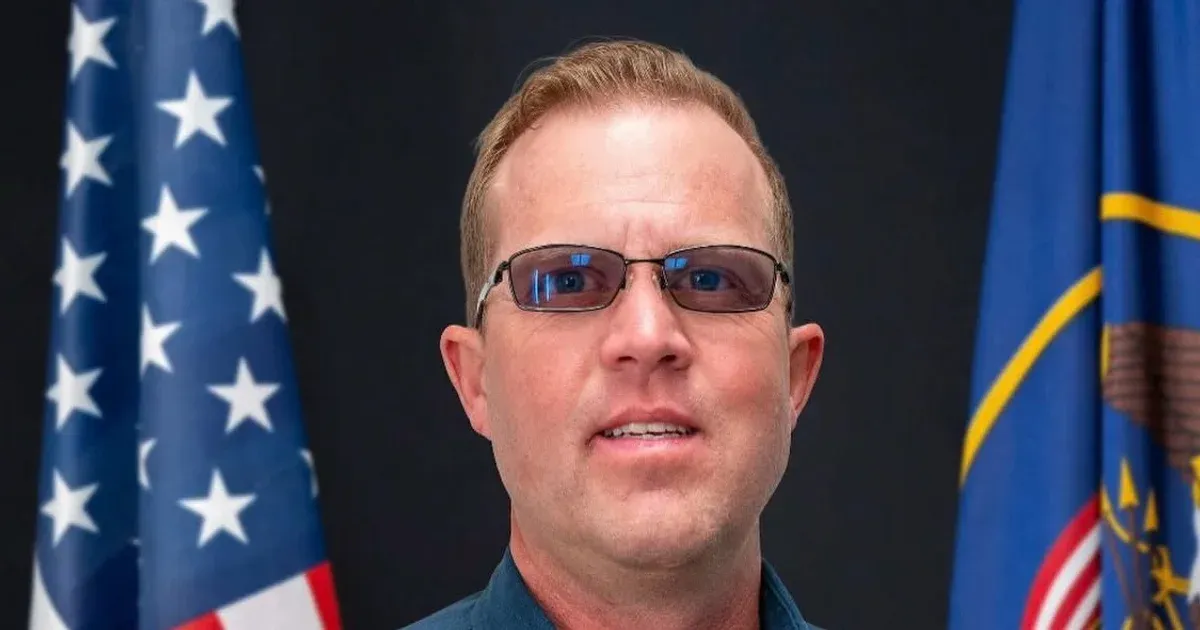
A family day trip in southern Utah ended with five people dead after heavy rain sent floodwater through a canyon near Bicknell. The victims were a Provo fire captain, his wife and their three sons. One daughter, who did not join the outing, survived.
On July 17, 2026, the family arrived at Sunglow Campground for hiking in the surrounding red-rock landscape. The Wayne County site was a day excursion rather than an overnight stop, according to the sheriff’s account. Investigators believe flooding caused by intense rainfall overwhelmed the group. Officials have not released a detailed account of where each person was when the water reached the campground area.
Deputies were called at about 5 p.m. after a young male was found dead in a flood wash. Searchers located two additional male victims later that evening. The operation resumed on Saturday for the two people still missing, and authorities subsequently confirmed that both had been found dead.
Search Teams Worked Across the Canyon Into Saturday
Wayne County Sheriff Micah Gulley said the response brought together several agencies. Local crews received ground support from Sevier County search specialists and state highway patrol officers, while a Utah Department of Public Safety helicopter worked from above. CBS affiliate KUTV reported that heavy rain had created dangerous conditions for people outdoors in the area. The staged recovery explains why the full toll was not confirmed in the first report: crews had three victims on Friday and two unresolved searches when the initial phase ended.
The sheriff’s office did not initially publish the family’s names. Provo Fire & Rescue separately confirmed the death of Captain Spencer Long, and family statements identified his wife as Katrina Long and their sons as Reid, Thayne and Gage. The distinction between the official releases matters because the names came through the fire department and a family fundraising page rather than the first law-enforcement notice.
Provo Fire & Rescue placed a black mourning bar across its badge and described the loss as heartbreaking for Long’s colleagues. Katrina Long was a co-founder of a medical spa, which also issued a memorial statement. Bree Nielson, a family friend, organized a fundraiser for the surviving daughter, identified there as Lydia. Its purpose was to support her after the sudden loss of her parents and brothers. The page said her life had changed instantly and framed the donations as help for the practical needs that follow such a loss. The campaign had collected over $184,000 by Monday, according to CBS News.
Those tributes show the reach of the loss without changing the limited official record of the flood itself. The fundraising account described Spencer and Katrina as devoted parents whose family was central to their lives, while the fire department emphasized the effect on friends and colleagues. The available reports identify heavy rain as the cause, the campground as the family’s destination and Friday evening as the start of the response. They do not state whether a formal warning reached the group, how quickly the wash filled or what route the family was taking immediately before the flood.
The Official Timeline Leaves the Warning Window Unclear
The gaps should not be filled with assumptions about the family’s decisions or the search response. The public-safety questions can only be answered after investigators establish the weather alerts, communications, water movement and access conditions that applied at the site. None of the three RSS source reports provides that complete sequence, so blame would run ahead of the evidence.
This was a concentrated tragedy at one recreation site, different in scale from the multistate flooding and tornado danger reported during Arthur’s remnants. The useful connection is operational rather than meteorological: rescue agencies must locate people while conditions are still changing, and early casualty counts may remain provisional until searches cover the full affected area.
For Wayne County officials, the next useful public account would connect the rainfall timeline to the first emergency call and the order in which search teams entered the canyon. That record could clarify whether warnings, campground procedures or communications need revision. Until it is available, the established conclusion is narrower and devastating enough: five members of one family entered the canyon for a day outing, and only the daughter who stayed behind remains alive.