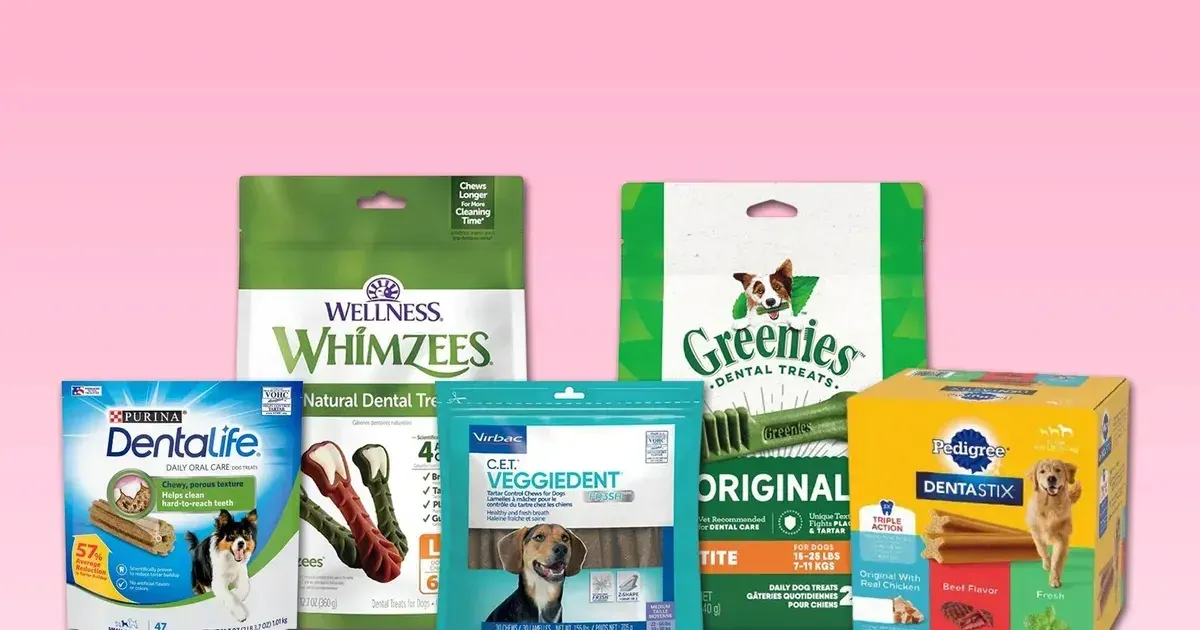
Pet owners across the United Kingdom and United States are redirecting billions of dollars toward preventative canine healthcare as professional cleaning costs soar. Veterinary Oral Health Council certifications now act as the primary gold standard for consumers who are wary of the steep price tags associated with surgical tooth extractions. Most clinical data indicates that while these treats cannot replace manual brushing, they function as a secondary defense against periodontal disease. Virbac remains a titan in this specialized economy. Its Veggiedent Fr3sh product line uses a unique Z-shape to reach the gum line more effectively than traditional circular treats. Clinical studies submitted for council review showed a measurable reduction in plaque accumulation when dogs consumed these treats once daily. The formulation includes pomegranate to address the microbial causes of halitosis in the oral cavity.
Dental Chews Compete on Trust
Rigorous testing protocols established by global health authorities dictate which products actually merit the dental label.
Daily brushing is the gold standard of care, but dental chews serve as an essential mechanical supplement for pet owners who cannot maintain a manual hygiene schedule.
The physical design of the treat is often more important than the flavor profile or the calorie count. For instance, the Z-shape used by certain premium brands allows the dog to grip the chew between its paws while rotating it against different dental surfaces. This mechanical interaction is what separates a true dental treat from a standard biscuit. Standard biscuits crumble almost instantly upon contact with canine saliva.
Pet Owners Weigh Cost and Care
Retail data from major platforms indicates a sharp divide between veterinary-recommended brands and grocery store staples. While Purina dominates the volume of sales due to its presence in nearly every supermarket, specialty brands like Greenies and Whimzees command higher profit margins. Investors in the pet care sector have noted that dental health is the fastest-growing sub-sector of the treat market. This growth is driven by a demographic shift where younger pet owners treat their animals as family members with complex medical needs. The pricing of these items remains a point of contention for many household budgets. A thirty-day supply of premium chews can cost upwards of $40, which rivals the cost of many human grocery staples. Owners often view this as a form of insurance against the $800 average cost of a professional cleaning performed under general anesthesia. Financial analysts expect this preventative spending trend to continue throughout the fiscal year. The global pet oral care market is expected to reach new heights as emerging economies adopt Western standards of animal husbandry. The US market is moving toward grain-free and allergy-friendly options to satisfy a niche but vocal consumer base. Wellness Whimzees has successfully pivoted into this space by using potato starch and malt extract instead of wheat-based fillers. This allows dogs with gluten sensitivities to maintain oral hygiene without suffering gastrointestinal distress. Manufacturing a VOHC-certified chew involves heavy research and development costs that are passed on to the consumer. The specialized extrusion process required to create the complex shapes of Greenies or Whimzees requires industrial machinery that most generic treat manufacturers do not possess. The barrier to entry for new competitors is high. Only a handful of companies have the capital to run the multi-month clinical trials required for medical certification. Pet ownership statistics show that nearly 80 percent of dogs show signs of oral disease by age three. The statistic drives the marketing departments of major pet corporations to emphasize the health benefits over simple caloric rewards. Even the effectiveness of the product is often negated by owner behavior. Many owners treat dental chews as a once-a-week luxury rather than a daily medical requirement. The bacteria that form plaque can mineralize into tartar in as little as 48 hours. Daily intervention is required to disrupt the biofilm before it hardens.
Subscription models are the newest frontier for dental treat sales. Companies like Chewy and Amazon offer deep discounts for customers who commit to monthly deliveries of their favorite dental snacks. It ensures a consistent supply of product and encourages the daily usage that veterinarians recommend. These companies gather vast amounts of data on breed-specific preferences and consumption rates.
Large breeds like Labradors and Golden Retrievers require larger, denser treats to avoid choking hazards. Pedigree has focused its Dentastix line on these larger animals by offering varying sizes that correspond to the dog's weight. Small-breed owners are purchasing Greenies Petite in record numbers. Small dogs are more prone to dental crowding and subsequent decay because their teeth are often too large for their small jaws. That makes them the primary target for premium dental marketing campaigns.
The dental chew industry is a response to the practical limitations of modern pet ownership. Most people do not have the time or the patience to brush a dog's teeth twice a day. The market has stepped in to fill this gap with a product that the animal perceives as a reward. The alignment of interests is the primary driver behind the multi-billion dollar valuation of the canine oral care sector.
Prevention Became a Pet-Care Market
Suggesting that a starch-based bone can replace a toothbrush is the great lie of the modern pet industry. For years, major conglomerates have convinced the public that a thirty-second snack can undo the damage of a diet high in processed carbohydrates. We are sold the illusion of health because it is convenient and profitable. Let us be honest. Most of these chews are expensive crackers with fancy geometric shapes. While the VOHC certification offers some scientific cover, it does not account for the reality of the canine mouth.
Most dogs gulp these treats down with the efficiency of a trash compactor, rendering the mechanical scrubbing action useless. We see a cycle where owners spend thousands on treats only to end up in the vet's office anyway for a $1,200 extraction. It is a brilliant business model but a mediocre medical solution. If you really cared about your dog's health, you would pick up a toothbrush and deal with the struggle. Relying on a bag of treats is a lazy compromise that prioritizes the owner's schedule over the animal's biological needs.
The industry thrives on this guilt-ridden convenience, and the profits show no sign of slowing down for those cynical enough to sell it.