Warner Bros. executives celebrated 11 Oscars on Sunday night at the Dolby Theatre, providing a necessary distraction from the looming sale of their parent company. Leading the pack was the supernatural thriller Sinners, which secured multiple technical honors and a lead acting trophy. Success on the awards stage followed a banner year at the box office, though corporate stability remains elusive for the legendary studio. Market analysts spent the morning after the ceremony dissecting how these wins might influence the final valuation of the company during its politically charged sales process.
Michael B. Jordan claimed the Best Actor award for his dual role in Sinners, portraying twins Smoke and Stack. This victory cemented his status as a premier leading man and provided Warner Bros. with its most prestigious win of the evening. Jordan thanked his production team for supporting a risky high-concept project that balanced blockbuster spectacle with psychological depth. His win effectively ended a season of intense speculation regarding whether the Academy would favor genre films over traditional prestige dramas. The film ended its theatrical run with over $800 million in global ticket sales.
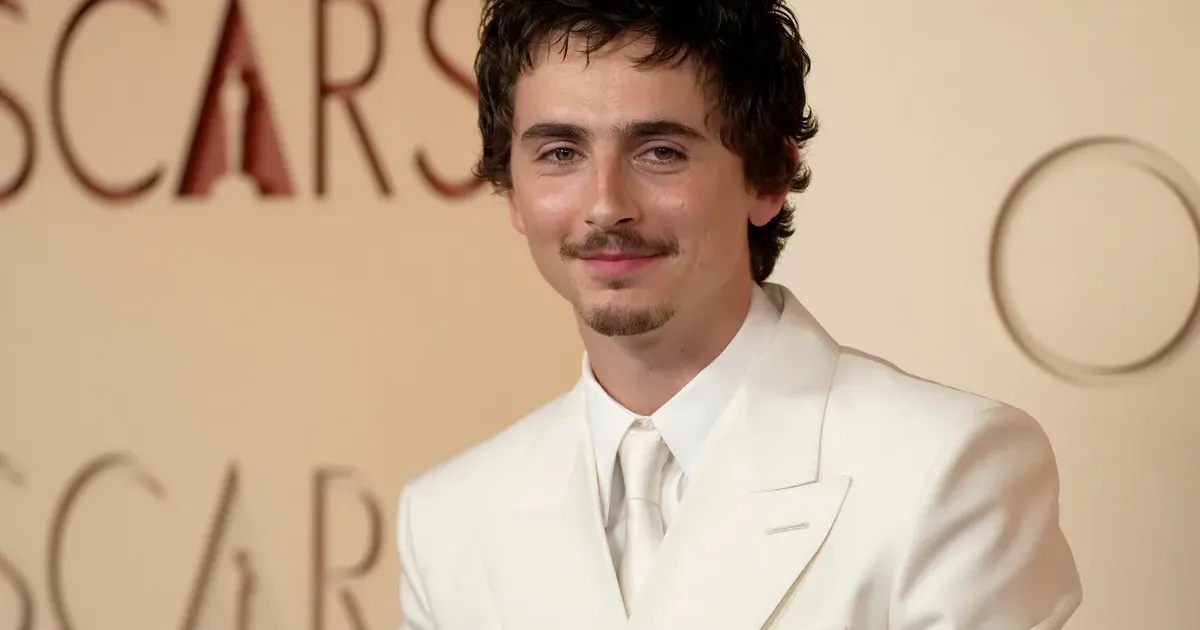
But the evening was equally defined by the stars who walked away without hardware. Timothée Chalamet lost his third bid for Best Actor despite a rigorous and unconventional campaign for the ping-pong drama Marty Supreme. Chalamet had spent months in a guerrilla marketing blitz, attending red carpets in garish orange suits and hosting underground table tennis tournaments in New York. Critics had predicted his live-wire performance as a cocksure athlete would finally net him the trophy. He instead lost to Jordan, a result that some industry experts suggest might actually preserve Chalamet's long-term mystique. Losing keeps the narrative of his pursuit of greatness alive for another cycle.
Warner Bros. Wins Eleven Academy Awards
Warner Bros. capitalized on its diversified slate to dominate the technical categories, winning for cinematography, sound design, and visual effects. These 11 wins represent the highest haul for any single studio in over a decade. According to MarketWatch, the timing is critical as the parent company handles a tumultuous transition period. Political scrutiny from regulators has complicated the bidding process for the studio assets. Stock prices for the parent entity saw a modest 2% bump in pre-market trading following the ceremony. The wins reinforce the idea that the studio remains a hit-making machine despite executive-level chaos.
Meanwhile, the atmosphere inside the Dolby Theatre was described by attendees as professionally cordial but underlyingly tense. Industry heavyweights were seen huddling during commercial breaks to discuss the potential fallout of a studio merger. In turn, the dominance of one studio over the ceremony raised concerns about the narrowing of the theatrical market. Small independent distributors struggled to find footing in a night dominated by major studio spectacle. The evening's results suggest that large-scale, high-budget filmmaking still holds the strongest grip on the Academy's imagination.
Even so, the financial reality of the studio remains complex. Warner Bros. has faced a topsy-turvy year where massive hits were balanced by high-profile cancellations and strategic shifts in streaming priority. Investors are looking for a clear signal that the creative success of the 2026 Oscars can be replicated without the current level of corporate debt. To that end, the 11 statues will likely be featured prominently in upcoming investor presentations. The studio has already begun promoting its next slate of films as the work of Academy Award winners.
Michael B. Jordan Prevails Over Timothée Chalamet
Michael B. Jordan's victory was a rare instance of a box-office juggernaut winning the top acting prize. His performance in Sinners required him to play two distinct characters often sharing the screen, a feat that required immense technical precision and emotional range. According to industry insiders, the voting block favored Jordan's physical transformation and the film's broad cultural impact. Jordan is now one of the few actors to successfully transition from franchise stardom to Academy-recognized prestige. He has already signed on to direct his next project under the Warner Bros. banner.
By contrast, Timothée Chalamet’s campaign was viewed by some as an over-calculated attempt to force a win. He partnered with the mysterious UK artist EsDeeKid to release a remix where he rapped about his own success, a move that polarized older Academy members. Chalamet’s character in Marty Supreme was a cocky ping-pong player, and the actor seemingly stayed in character for much of the awards season. This method-acting approach to public relations was a high-risk strategy that failed to yield a trophy. At 30, Chalamet still has more Best Actor nominations than most of his peers combined.
I'm the Terminator of the Oscars, I'll be back, and you can't get rid of me.
Chalamet’s previous losses include a bid for the Bob Dylan biopic A Complete Unknown and his breakout role in Call Me By Your Name. In each instance, he was defeated by veteran actors like Gary Oldman and Adrien Brody. Still, his ability to draw young audiences to niche films like Marty Supreme remains a essential asset for A24 and other independent collaborators. His loss on Sunday may prevent the early-career burnout that sometimes follows a major win. Hollywood history is filled with young winners who struggled to find their footing after achieving the industry's highest honor.
Diane Warren Sets Record for Oscar Losses
Diane Warren made history on Sunday night for a reason she would likely prefer to avoid. After losing her 17th consecutive bid for Best Original Song, she now holds the record for the longest losing streak in the history of the Academy Awards. Warren was nominated for the song Golden from the film KPop Demon Hunters but lost to the heavy favorites from Netflix. She has written hits for Celine Dion, Lady Gaga, and Aerosmith, yet she has never taken home a competitive Oscar. Her reaction on social media was characteristically blunt and defiant.
Warren remains the most-nominated woman in the history of her category. Her first nomination dates back to 1987 for the song Nothing’s Gonna Stop Us Now from the movie Mannequin. Over four decades, she has become a fixture of the ceremony, frequently seen on the red carpet expressing a mix of gratitude and frustration. She trails only Johnny Mercer and Sammy Cahn for the all-time nomination record in the category. Both Mercer and Cahn won multiple awards during their careers. Warren remains the only person with such a high volume of nominations and zero wins.
In fact, Warren's consistent presence at the Oscars has become an industry meme that she has embraced. She told reporters at an after-party that her consistency was a badge of honor. Her losing streak is now a part of her personal brand, overshadowing even the songs themselves. For instance, her loss to the song from KPop Demon Hunters was widely discussed on social media immediately after the announcement. Many fans expressed outrage, while others celebrated the win for the growing K-pop influence in Hollywood. Warren’s career success remains undisputed regardless of her lack of trophies.
Netflix Secures Victory in Original Song Category
Netflix captured the Best Original Song trophy for the high-energy track featured in KPop Demon Hunters. This win marks a significant moment for the streaming giant as it continues to make inroads into the music industry. The song Golden became a viral hit on TikTok and Spotify months before the ceremony, building a level of momentum that Warren’s traditional ballad could not match. Netflix’s strategy of combining catchy pop music with genre-bending animation proved successful with the younger voting demographic. The win was one of three trophies Netflix secured during the evening.
Separately, the victory highlights a shift in what the Academy considers Oscar-worthy music. In previous decades, the category was dominated by sweeping orchestral ballads from Disney films or romantic dramas. In particular, the rise of international music styles has forced a change in the songwriting branch’s preferences. The K-pop influence in Golden was unmistakable and reflective of a globalized entertainment market. $11 billion in projected streaming revenue for Netflix this year is partly attributed to such cross-cultural content. The Academy is slowly catching up to the listening habits of the general public.
And yet, the loss for Diane Warren felt like a conclusion to an era. While Netflix celebrates its modern victory, the old guard of Hollywood songwriters is finding it harder to compete with viral trends. Warren’s 17th loss suggests that the era of the power ballad may be fading in favor of rhythmic, production-heavy tracks. The music industry’s transition to streaming-first discovery has irrevocably changed the field of movie music. Traditional composers now find themselves competing with pop stars and international idol groups. The 2026 results are a hard data point in favor of that transition.
The Elite Tribune Perspective
Do awards ceremonies even matter when the studios producing the winners are being sold off like distressed assets? Warner Bros. took home 11 Oscars on Sunday, but the gold statues won't pay down the massive debt load or satisfy the federal regulators currently picking through the company's books. We are seeing a hollowed-out version of Hollywood where the prestige of an Academy Award is used as a temporary sedative for shareholders. Michael B. Jordan won for a film called Sinners while the studio's parent company is in a tailspin is an irony that seems to escape most red-carpet commentators. Awards have become the ultimate distraction from the reality of corporate consolidation.
Chalamet’s loss is equally telling. His desperate, orange-clad campaign for Marty Supreme was a spectacle of vanity that the Academy rightly rejected in favor of a performance that actually put people in theater seats. Hollywood is tired of the selected indie darling persona, especially when it is manufactured by a PR machine that tries too hard to be quirky. As for Diane Warren, her 17th loss is the only honest thing left in the building.
It is a reminder that in an industry obsessed with the new, there is no room for the legends of the past, no matter how many hits they have written. The Oscars are no longer about excellence; they are a liquidation sale for a dying era of cinema.