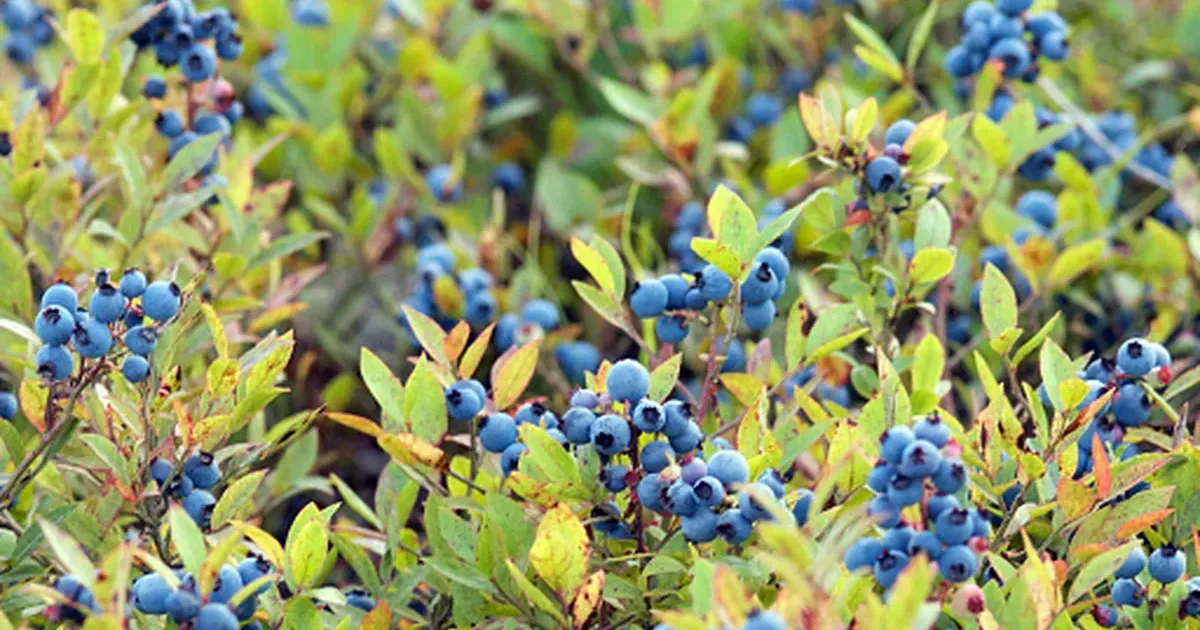
Maine and Canada face a historic wild blueberry shortage in 2026 as frost and weather patterns decimate the harvest. Expect empty freezer aisles soon.
◆
Key Points
☼ AI-Generated Summary
◆Erratic spring weather in 2026 has led to a projected 80 percent mortality rate for wild blueberry buds in Maine and Canada.
◆Unlike cultivated highbush berries, wild blueberries are a biennial crop that cannot be replanted or easily salvaged after a frost.
◆Global frozen inventory is at historic lows, meaning consumer prices will likely spike by mid-summer as supply vanishes.
◆Industrial food producers may be forced to alter recipes or substitute ingredients as bulk wild blueberry contracts go unfulfilled.
Share
Frozen Aisles Brace for Scarcity in the Barrens
March typically brings the first stirrings of hope for fruit growers in the Northeast, but 2026 has arrived with a silent, freezing dread. Maine and the Maritime provinces of Canada provide nearly all the world’s supply of lowbush blueberries, known colloquially as wild blueberries. These tiny, antioxidant-rich fruits are not planted by humans. They have occupied the same acidic, glacial soils for over 10,000 years. Unlike their bloated, highbush cousins found in plastic clamshells at every corner store, wild blueberries are a finite resource of the wilderness. Early reports from agricultural monitors indicate that a series of erratic weather patterns has decimated the 2026 crop before it could even blossom.
Biological Rigidity Meets Erratic Weather
Wild blueberries operate on a strict two-year cycle. Fields are divided into prune-year and harvest-year sections. In 2025, many growers across Washington County, Maine, reported healthy vegetative growth. They expected a massive payout this summer. Recent temperature swings have shattered those expectations. A warm spell in February tricked the dormant plants into early sap movement. A brutal deep freeze in early March subsequently killed the developing buds. Unlike cultivated crops that can be replanted or boosted with fertilizers, wild blueberries offer no such flexibility. You get what the land gives. In 2026, the land is giving nothing but scorched stems. This reduction in available fruit will likely trigger a price surge that ripples through the global frozen food market.
Economic Instability in the Freezer Aisle
Consumers rarely buy wild blueberries fresh because the berries are too delicate for long-distance shipping. Instead, 99 percent of the harvest is frozen within hours of being picked. Industrial processors like Wyman’s and Oxford Frozen Foods manage massive inventories, but those stockpiles are currently at historic lows. Supply chain analysts in Portland and Halifax suggest that inventory from the 2025 harvest is already spoken for by large-scale smoothie manufacturers and industrial bakeries. Retailers will soon find themselves bidding against global conglomerates for the few remaining bags of frozen fruit.
Pollinators Struggle Against Shifting Seasons
Bees are the silent partners in this multi-million dollar industry. Without billions of honeybees and native bumblebees, the blueberry barrens remain barren. The 2026 season faces a dual threat. The same temperature spikes that confused the plants have also disrupted the emergence schedules of local pollinators. When the few surviving buds finally open, the bees may not be there to meet them. Colony collapse disorder continues to plague commercial hives transported into the region. Growers often pay upwards of 150 dollars per hive for a two-week rental. If the frost hasn’t already killed the crop, the lack of pollination will finish the job.
Genetic Diversity and Survival
Scientists at the University of Maine have long studied the resilience of *Vaccinium angustifolium*. Each field is a chaotic mosaic of different clones, each with its own genetic profile. Some clones resist drought better than others. Some flower later to avoid frost. This biological rigidity is usually the plant's greatest strength. In 2026, the intensity of the climatic shifts seems to have overwhelmed even the most strong genetic lines. Researchers are seeing 80 percent bud mortality in test plots that usually survive the harshest winters.
Market Prices and Consumer Substitutions
Shoppers should prepare for a significant sticker shock by mid-summer. Retail prices for a three-pound bag of frozen wild blueberries could jump by as much as 40 percent. Grocery stores will likely push consumers toward cultivated highbush blueberries as a cheaper alternative. But for the purists, there is no substitute. Wild berries contain twice the antioxidants and a far more complex flavor profile than the watery, store-bought varieties. The scarcity will be felt most acutely in the health food sector, where wild blueberries are marketed as a premium ingredient.
Maine’s Fragile Rural Economy
Small family farms are the backbone of the Downeast Maine economy. For many of these families, the blueberry harvest is the single largest paycheck of the year. A total crop failure in 2026 could force several fourth-generation farms into foreclosure. Federal crop insurance exists, yet it rarely covers the full market value of a lost harvest. Economic developers in Augusta are already discussing emergency loan programs. Still, a loan is just more debt for a farmer with no fruit to sell.
Global Demand Clashes with Local Realities
Europe and Japan have developed an insatiable appetite for the North American wild blueberry. Export contracts are signed months or even years in advance. When the 2026 harvest falls short, American processors will have to decide whether to honor international contracts or keep the fruit for domestic shelves. This scarcity creates a vacuum in the market that other fruit sectors will scramble to fill.
Impact on Industrial Food Production
Cereal companies and commercial muffin brands are the largest bulk buyers of wild blueberries. They prefer the wild variety because the berries hold their shape better during the baking process and do not bleed color as much as cultivated berries. If the supply dries up, these companies will be forced to change their recipes. Such changes are expensive and time-consuming. Consumers might notice their favorite blueberry granola suddenly tastes different or looks grey.
Historical Context of Harvest Failures
Historical records show that the wild blueberry industry has survived droughts and pests before. The total collapse projected for 2026 is different because it stems from a systemic breakdown of the winter-to-spring transition. In the past, a bad year in Maine was often offset by a good year in Quebec. Such a year, the weather patterns are synchronized across the entire growing region. No one is coming to save the market.
The Elite Tribune Perspective
Relying on a wild-harvested crop to feed a global obsession with superfoods is a recipe for disaster. We have spent decades convincing ourselves that we can have whatever we want, whenever we want it, provided the price is right. The 2026 wild blueberry crisis exposes the lie at the heart of the modern food system. You cannot negotiate with a frost-killed bud. You cannot manufacture a wild berry in a lab. The arrogance of the industrial food complex is its belief that technology can bypass the ancient rhythms of the Barrens. It cannot. We are about to learn that the word wild actually means something. It means unpredictable. It means vulnerable. It means that when the Earth decides not to produce, we are powerless to change the outcome. Such a harvest failure is a blunt message to the consumer class. Our plates are at the mercy of a natural world that is increasingly out of sync. If you want the luxury of the wild, you must accept the reality of the void. Buy your frozen bags now, or get used to the bland, watery highbush berries that are the true legacy of our tamed, sterilized agricultural imagination. The era of the cheap, plentiful wild berry is over.