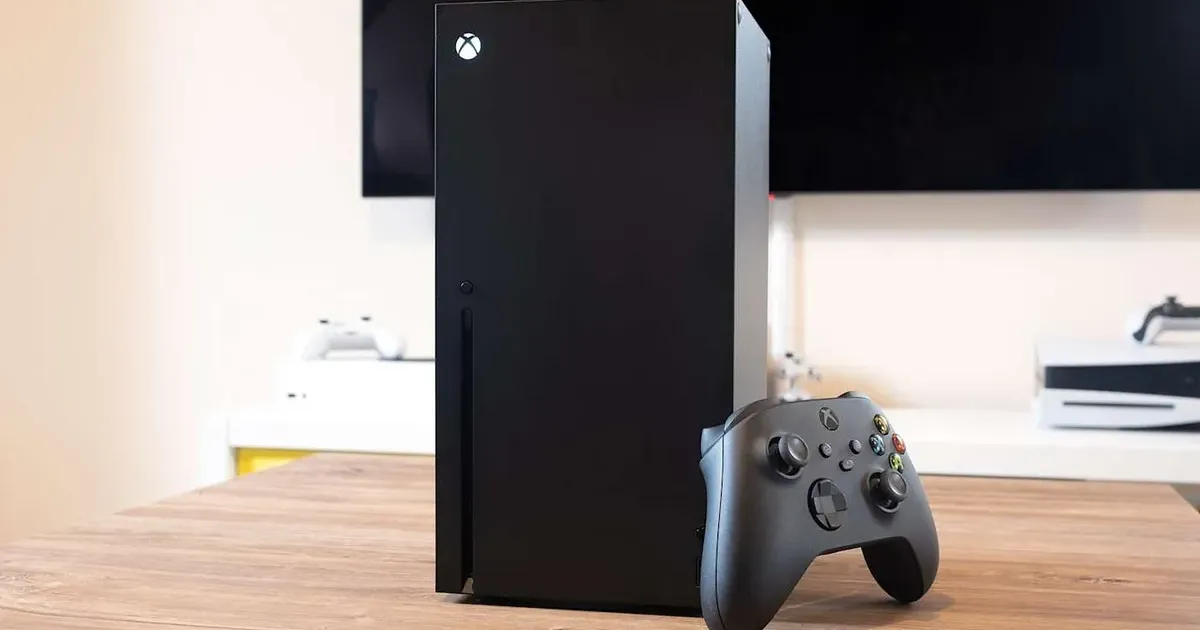
The June 7 Xbox Games Showcase did not become the Project Helix hardware reveal many fans had been trying to read into it. The absence was revealing. It showed that Microsoft's gaming problem cannot be solved by a code name alone.
The showcase instead leaned on games, anniversary branding and a more focused platform argument under new Xbox leadership. That put the pressure in the right place: if Xbox wants players to believe in the next box, service or hybrid strategy, the software case has to be strong first.
Helix Stayed More Question Than Product
Project Helix has become shorthand for the next Xbox hardware direction: traditional console, PC-adjacent device, cloud gateway or some blend of all three. The showcase left that question mostly unanswered, which means speculation will continue.
The silence is not automatically a failure. Hardware secrecy can work when the software pipeline looks convincing. It becomes a problem only if players conclude that Microsoft has flexibility but no clear platform promise.
The Show Was Built Around Games
Gears of War: E-Day received the biggest spotlight, with a dated Xbox-focused launch and a dedicated segment meant to make the series feel essential again. Halo: Campaign Evolved, Fable, Clockwork Revolution, State of Decay 3 and other announced or updated projects gave the showcase a fuller shape than a hardware tease would have.
The software emphasis matters because Xbox has spent years asking players to think beyond the old console cycle. The risk is that reach becomes a substitute for urgency. A strong showcase has to make players want to stay inside the ecosystem, not simply understand that Microsoft publishes games in many places.
Exclusivity Returned As A Business Signal
The most interesting shift was strategic. New Xbox chief Asha Sharma has acknowledged that the business needs a healthier platform identity, and the showcase pointed back toward selective exclusives rather than pure everywhere-at-once distribution.
Selective exclusivity does not mean Xbox is abandoning PC, cloud or Game Pass reach. It means Microsoft is trying to recover a reason for dedicated Xbox hardware and subscriptions to feel distinct. If every major game lands everywhere immediately, the console becomes harder to defend. If some heavy hitters create real platform pull, the old logic partly returns.
Game Pass Still Needs A Cleaner Role
Game Pass remains one of Microsoft's strongest advantages, but it also complicates the message. Players like value and day-one access. Investors and publishers ask whether the service grows revenue, protects margins and supports expensive first-party development.
The showcase could generate excitement, but the business question remains. Are these games built to sell consoles, retain subscribers, lift PC engagement, feed cloud play or all of those at once? The more answers Microsoft gives, the harder the pitch becomes for ordinary buyers.
The limited Series X25 anniversary console gave Xbox a visible hardware object without answering the deeper next-generation question. That was useful as brand theater, especially during a 25th anniversary year. It was not a Project Helix strategy.
The distinction matters. Nostalgia can remind players why Xbox once felt bold. It cannot define what the next platform is supposed to do. The company still has to explain how hardware, PC openness, Game Pass and exclusives fit together without stranding current owners.
The Showcase Bought Time, Not Closure
June 7 helped Xbox more as a software reset than as a hardware statement. Project Helix stayed mostly offstage, and that left the burden on games such as Gears of War: E-Day, Halo: Campaign Evolved and Clockwork Revolution to rebuild confidence.
Software should carry that burden. Hardware only becomes strategic when it gives players a better reason to care. If the software slate lands, Helix can arrive into a stronger story. If it does not, the code name will keep carrying more hope than plan.