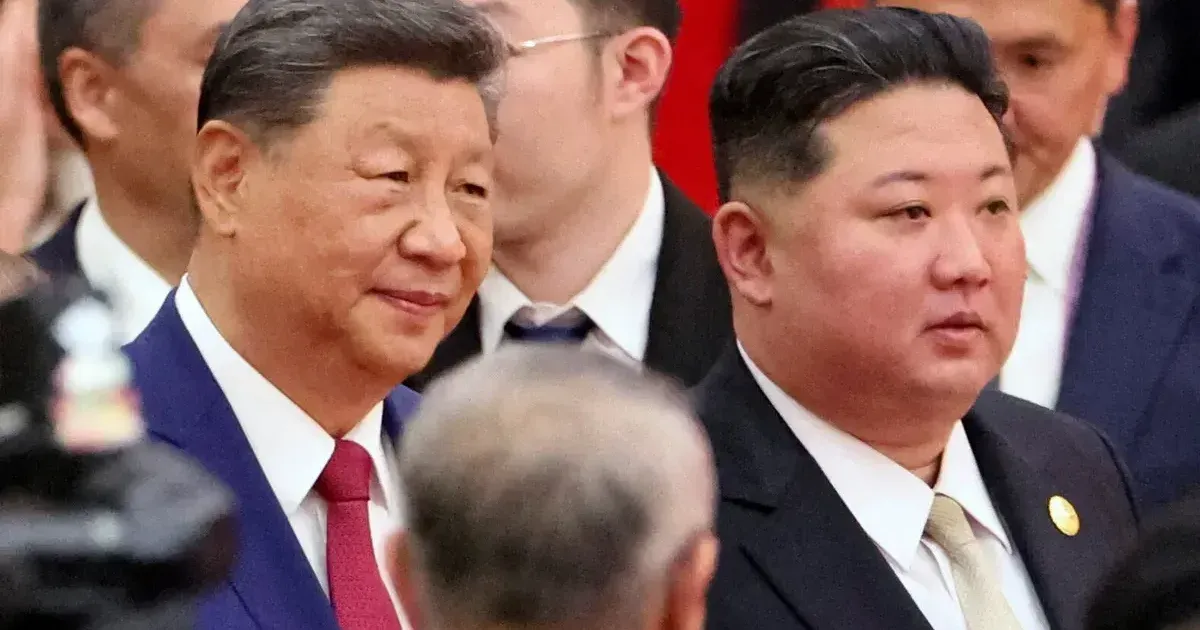
Chinese officials finalized plans for a state visit to Pyongyang, marking a strategic pivot in regional diplomacy. The planned visit gives Beijing a chance to show influence at a moment when North Korea is leaning harder into nuclear signaling. President Xi Jinping will travel to North Korea on June 8, 2026, for a two-day summit with Kim Jong Un. The scheduled meetings come at a moment when the geopolitical landscape in East Asia faces realignment due to deepening ties between North Korea and Russia. This journey represents the first time the Chinese leader has set foot in the secluded capital in seven years, according to state media schedules.
Beijing confirmed the itinerary on June 5, 2026, highlighting the significance of the June 8-9 timeline. Seven years have passed since the 2019 visit, which focused on the 70th anniversary of diplomatic relations. During that previous trip, the two leaders projected an image of unbreakable solidarity against Western economic pressure. Current conditions differ sharply as the North Korean leader manages multiple high-level international partnerships.
Diplomats in Beijing suggest the trip aims to reassert Chinese influence in a region where Moscow has gained rapid ground. The visit follows recent high-level diplomacy involving China, the United States and Russia. Those previous dialogues involved countries that exert serious pressure on the foreign policy choices of the North Korean government.
Shifting Alliances in Pyongyang
North Korean dependence on China has traditionally been the foundation of Kim's economic survival. A strengthening alliance between Pyongyang and Moscow has provided the Kim regime with alternative sources of security and technical support. Analysts say the growing relationship with Russia has reduced Kim's immediate reliance on Beijing for diplomatic cover. Enhanced military cooperation between the Kremlin and the North Korean military has given the latter more leverage in negotiations with regional powers.
Economic figures show that China remains the largest trading partner for the North, yet the nature of that trade is evolving. Shipments of fuel and grain continue to cross the Yalu River, but the political price of that aid is under debate. North Korea has recently demonstrated an emboldened stance in its missile testing programs, seemingly less concerned about potential rebukes from its traditional benefactor in Beijing.
Mutual interests still bind the two neighbors despite these changing dynamics. The primary goal of the upcoming summit appears to be shoring up bilateral ties that have grown more complicated over the last decade. Stability on the Korean Peninsula is a priority for the Communist Party of China, which views a sudden collapse or conflict in the North as a direct threat to its own border security.
Diplomatic Timing and Global Stakes
Xi Jinping arrives in Pyongyang having recently navigated sensitive talks with Washington regarding trade and regional security. Balancing the relationship with North Korea while managing friction with the United States requires a delicate administrative touch. Washington often looks to Beijing to restrain the nuclear ambitions of the Kim regime, yet China views the North as a necessary buffer against American military presence in South Korea.
Operational details for the visit suggest a heavy focus on symbolic displays of unity. The ABC News International bureau noted that the 2019 visit included enormous choreographed performances and public accolades for the visiting Chinese delegation. Similar events are expected this June as both leaders seek to project strength to their respective domestic audiences. Security in Pyongyang has been tightened ahead of the arrival of the Chinese president and his senior advisors.
Regional power dynamics will be tested by the outcomes of the June 8 meetings. While Moscow has provided hardware and potentially space-related technology to Kim, Beijing offers long-term infrastructural investment and diplomatic weight at the United Nations. Both leaders recognize that their shared opposition to Western-led security blocs provides a common ground that outweighs occasional tactical disagreements.
China Tries to Reassert Its Place in Pyongyang
Does the growing intimacy between Kim Jong Un and Vladimir Putin leave Xi Jinping on the sidelines of his own sphere of influence? For decades, Beijing operated as the sole guarantor of the North Korean state, a role that granted China immense leverage in any multilateral negotiation involving the peninsula. Moscow's re-entry into the fray as a primary security partner disrupts this monopoly. Xi's decision to travel to Pyongyang now suggests a calculated effort to remind Kim that China remains central to North Korea's economic future.
Kim is currently playing a sophisticated game of triangular diplomacy, leveraging Russian military needs to extract better terms from a wary China. Beijing cannot afford to let North Korea drift too far into the Russian orbit, as that could lead to more aggressive military posturing that draws a larger American presence into the Yellow Sea. This summit is less about a sudden policy change than about restoring Beijing's visibility in Pyongyang at a time when Moscow has gained influence.
The results of these two days will determine if the China-North Korea axis remains the dominant force in East Asian security. Regional governments will watch whether the visit produces symbolic language or concrete military and trade commitments. It also gives Beijing a visible way to answer Moscow's growing influence without openly framing the visit as a rivalry.