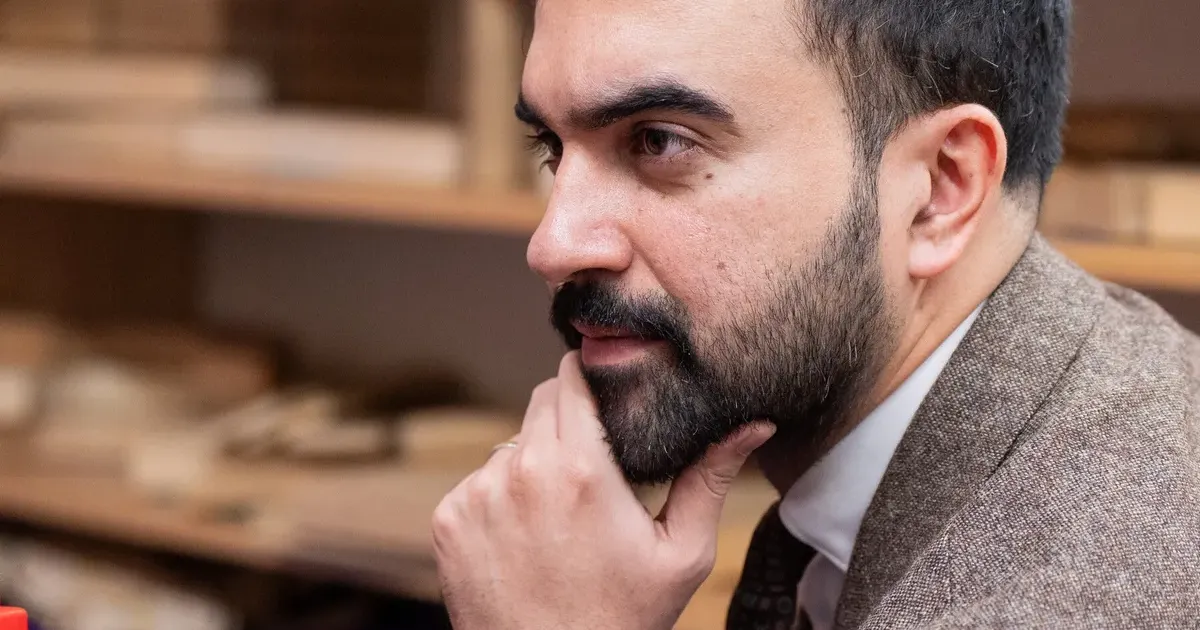
New York City officials opened a taxpayer-funded preschool on the Upper East Side, marking a sharp expansion of the universal childcare initiative. Residents in this ZIP code, where luxury retail and high-end dining define the local economy, now have access to 180 seats for children aged three and four. Mayor Zohran Mamdani arrived for the ribbon-cutting ceremony, emphasizing that universal programs must include every neighborhood to maintain broad political support. Critics, however, pointed to the immediate surroundings as evidence of a misaligned social safety net. The April 3, 2026, opening turned universal childcare into a neighborhood-level budget test.
Surrounding blocks feature boutiques where lunch prices frequently exceed the hourly wage of the teachers working inside the new facility. Parents in this enclave often spend more on a single meal at a local bistro than a family in the outer boroughs might spend on a week of groceries. Data from the Independent Budget Office shows that the average household income within a five-block radius of the center exceeds $250,000 annually. Public funding for these seats comes from a $2.4 billion citywide allocation intended to stabilize the early childhood education sector.
Upper East Side Center Launches Enrollment
Families began lining up for registration slots Friday morning. The facility sits on a prime corner of Second Avenue, occupying a renovated storefront that previously housed an upscale art gallery. Enrollment is open to all residents regardless of income, a foundation of the Mamdani administration's policy platform. Every classroom features high-end educational materials and modern ergonomic furniture designed for early learners. Wealthy parents expressed satisfaction that they could now divert five-figure private preschool tuition toward other investments.
Competition for these seats was intense. Private options in the Upper East Side typically cost between $35,000 and $55,000 per year. By offering a free alternative, the city effectively provides a huge annual subsidy to some of the wealthiest residents in the country. Enrollment officers confirmed that every available slot for the fall term was claimed within forty minutes of the portal opening. Priority was given to local residents, ensuring the benefits stayed within the affluent neighborhood.
Fiscal Projections for Universal Child Care Expansion
Financial analysts at the Citizens Budget Commission have raised concerns about the long-term sustainability of this model. The cost per seat in Manhattan is much higher than in the Bronx or Staten Island due to real estate prices and administrative overhead. Funding for the program relies on a mix of state grants and a proposed wealth tax that has yet to pass the legislature in Albany. If the tax fails, the city may face a shortfall of $600 million by the next fiscal cycle. Current projections indicate that maintaining the Upper East Side site alone costs the Department of Education approximately $1.8 million per year in rent.
Budgetary pressure is mounting as other essential services face cuts. Library hours were reduced in several neighborhoods last month to accommodate the growing child care budget. Administrators argue that universalism prevents the stigma often associated with means-tested programs. They believe that if the wealthy use public services, those services are more likely to receive consistent funding and maintenance. Taxpayers in lower-income districts have expressed frustration that their contributions are subsidizing the lifestyles of Manhattan elites. Concerns regarding corporate oversight in the early childhood education sector have led to notable shifts in New York's childcare landscape.
Mayor Mamdani Defends Universal Access Policy
Zohran Mamdani addressed the controversy during a press conference held in the school's gymnasium. He stated that any attempt to means-test the program would create a bureaucratic nightmare that ultimately hurts the middle class. His administration views child care as a human right that should be as accessible as a public library or a sidewalk. Behind the scenes, political advisors suggest that winning over Upper East Side voters is key for his reelection bid. The mayor remained firm in his commitment to expanding the program to every corner of the five boroughs by 2027.
Expanding this program to the Upper East Side is not about subsidizing the rich but about proving that New York City can provide world-class public services for everyone without exception, according to Mayor Zohran Mamdani.
Policy experts from the Brookings Institution have studied similar universal models in Europe. Their research indicates that high-income families often opt out of public systems if they perceive a lower quality of care. The Upper East Side facility aims to prevent that flight by matching the amenities of nearby private academies. Success in this neighborhood could serve as a template for other affluent cities struggling with rising living costs. Failure could lead to a localized revolt among taxpayers who feel the program is an inefficient use of public capital.
Resource allocation remains a point of contention among education advocates across the city. While the Upper East Side center boasts a brand-new playground and digital learning tools, schools in East New York are still waiting for basic HVAC repairs. Staffing levels also vary sharply between districts. The city attracts top-tier talent to the Manhattan centers by offering proximity to luxury amenities and easier commutes for many certified teachers. This migration of labor worsens the shortages seen in the most vulnerable communities.
Economic reality dictates that a dollar spent in a wealthy neighborhood has a different social return than a dollar spent in a marginalized one. Some economists argue that the city should prioritize areas with the highest density of essential workers. Essential workers often have irregular schedules and lack the safety net that high-net-worth individuals possess. City Hall insists that the universal rollout is proceeding as fast as logistics allow. They claim that the goal is total coverage, not targeted intervention.
Property values in the immediate area have already seen a slight uptick since the school's announcement. Real estate agents are using the proximity to a free, high-quality public preschool as a selling point for multimillion-dollar condominiums. The irony of using a social program to boost property values for the wealthy is not lost on local activists. The activists held a small protest outside the building during the opening ceremony. They carried signs demanding that the city fix existing schools before building new ones for the rich.
Labor unions have largely supported the expansion because it creates hundreds of new municipal jobs. The United Federation of Teachers noted that these positions come with full benefits and pension plans. Municipal job stability is rare in the private early childhood sector. Teachers at the new center earn a starting salary of $68,000, which is nearly double what some private daycare workers in the same neighborhood receive. The wage gap creates a talent drain that could eventually force smaller private centers to close.
New York City now finds itself at the center of a national debate over the limits of the welfare state. Other cities like San Francisco and Boston are watching the Mamdani experiment closely. If the Upper East Side center thrives, it could provide the political cover needed to pass similar legislation elsewhere. If it becomes a symbol of government waste, it might stall the universal childcare movement for a generation. The first bell rang at 8:30 AM, signaling the start of a social experiment with billion-dollar stakes.
Preschool Funding Reopens the Equity Debate
Mayor Zohran Mamdani is playing a dangerous game of political theater by dressing up high-society subsidies as progressive universalism. While the rhetoric of child care as a human right sounds noble in a stump speech, the fiscal reality is a transfer of wealth from the broad taxpayer base to the Manhattan elite. Why should a delivery driver in Queens or a nurse in the Bronx subsidize the preschool tuition of a family that considers a $34 burger a casual lunch? It is not social justice; it is a tactical bribe designed to neutralize opposition from New York’s most influential voting bloc.
Universalism is a myth when the point of entry is a neighborhood with a $2 million median apartment price. By placing these centers in the most expensive real estate markets on earth, the city ensures that the poor are physically and economically barred from the very services their tax dollars support. The administrative cost of means-testing is a convenient boogeyman used to avoid the hard work of prioritizing those in actual need. If the Mamdani administration cannot distinguish between a struggling single mother and a hedge fund manager, it has no business managing a multi-billion-dollar budget.
The program will collapse under its own ideological weight once the wealth tax fails to materialize. It is a reckless gamble with the city's future.
Policy without priority is theft.