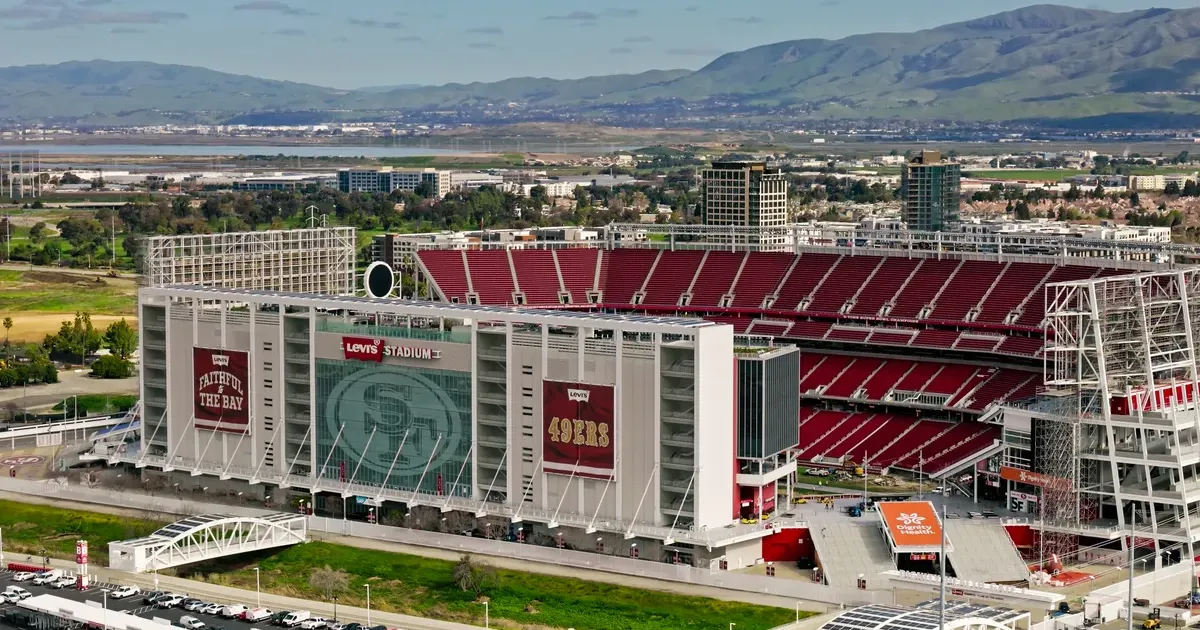
The 49ers' electrical-substation theory has moved from viral suspicion to measured rebuttal. General manager John Lynch said the team hired an independent scientist to test electromagnetic-field levels around the Santa Clara facility after online speculation tied a nearby substation to the club's long run of injuries. According to Lynch's public comments, the readings did not show a harmful workplace risk.
The answer matters because the theory had become more than fan chatter. Player health can affect agents, free-agent conversations and locker-room confidence. Once a workplace-safety claim gets repeated often enough, a team has to answer it with data rather than jokes.
The Theory Needed A Measurement
The substation was an easy visual explanation for a frustrating pattern. The 49ers have had repeated waves of serious injuries, and a large electrical facility near the practice environment gave fans a single object to blame. But a visible object is not the same as a cause.
Lynch said the team brought in a scientist with decades of experience and lab-grade equipment. Local reports on his comments said the measured exposure was well below harmful thresholds and comparable to ordinary sources people encounter in daily life. The result does not make every question disappear, but it weakens the EMF claim sharply.
Debunking EMF Does Not Solve The Injury Problem
A clean substation report does not repair torn ligaments, soft-tissue strains or missed games. It only removes one dramatic explanation from the board. The injury discussion now has to return to workload, training methods, recovery, field conditions, roster age, prior injury history, scheduling and medical staffing.
The multifactor explanation is less satisfying than finding one villain. It is also more realistic. NFL injuries usually come from overlapping risk factors rather than a single strange environmental source. The team still has to show that it is learning from patterns, not just disproving one online theory.
Player Perception Was A Real Issue
The 49ers were right to take the concern seriously even if the theory looked weak. If players or agents wonder whether a facility is unsafe, the club's response becomes part of recruitment and retention. A study gives team officials a concrete answer when prospective players ask about the workplace.
The reassurance is especially important for a franchise whose injury reputation has become part of its public identity. The goal was not only scientific correction. It was also confidence management inside a competitive labor market.
The Facility Work Still Matters
Reports around the team have pointed to facility and player-health investments, including upgrades to training areas and added physical-therapy resources. Those moves are more relevant than the substation if the organization wants to reduce preventable losses. Players do not judge health support only by scans and treatment rooms; they judge staffing, recovery time, communication and whether complaints lead to changes.
The NFLPA report-card era has made those details harder to hide. Teams that want to compete for veterans have to treat facilities as part of roster building. The 49ers can say the EMF concern is addressed, but they still need to prove the health operation is improving.
The Cleaner Story Is Less Dramatic
For fans, the scientist's conclusion is not emotionally satisfying because it does not explain why so many seasons have been reshaped by injuries. The lack of a simple answer is the point. The attractive theory turned a messy performance problem into a simple environmental story. The data did not support it.
The proper conclusion is narrower and tougher: the 49ers' facility may be safe from harmful EMF exposure, while the franchise still has a serious player-availability problem to manage. The substation should no longer carry the blame. Training, recovery, roster construction and medical process should carry the scrutiny.