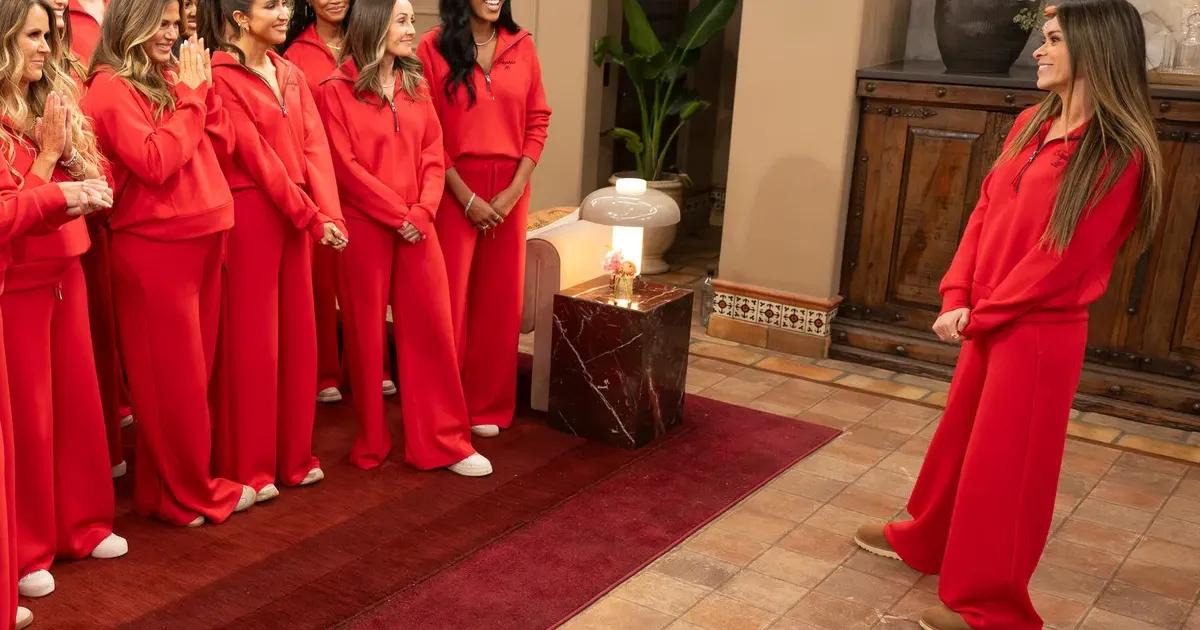
ABC canceled a Bachelorette season centered on Taylor Frankie Paul after a leaked domestic incident video triggered renewed scrutiny. The decision turned what was meant to be a creator-era casting reset into a reputational containment move. The network had likely seen Paul as a bridge between traditional reality television and social-media fame. That strategy carries upside, but it also imports personal histories that are already heavily documented online.
Casting Risk Follows the Franchise
The cancellation showed how quickly a promotional campaign can collapse when off-screen material overtakes the story producers planned to tell.
Reality franchises depend on audience investment in a lead. Viewers do not need the person to be flawless, but they need the show's framing to feel credible. A leaked domestic incident video makes that framing much harder. Sponsors, affiliates and streaming partners also become part of the calculation. A season can be filmed, edited and promoted, yet still become too risky if the public conversation shifts from romance to harm and accountability.
A Franchise Reset Turns Into a Crisis
The cancellation also shows how streaming-era economics have changed network risk. A franchise season is no longer judged only by ratings; it is judged by clips, sponsor comfort, social backlash and whether the controversy overwhelms the story.
Paul's existing audience may still follow her elsewhere, but ABC had to decide whether that audience was worth the reputational cost of building a national romance season around her. The decision does not settle the broader question of accountability in reality casting. Viewers often accept complicated people on screen, but networks lose control when a leaked video becomes more compelling than the show itself.
For producers, the lesson is procedural as much as moral. Vetting has to include how old incidents may resurface, how participants will address them, and whether the format can responsibly hold that context. The timing also matters. Canceling before a full promotional cycle limits additional harm, but it also draws scrutiny about why the risk was not resolved before the season was built around Paul. Reality television thrives on vulnerability, conflict and redemption arcs.
Domestic-incident footage is different because it can make entertainment framing feel exploitative rather than revealing. ABC may still try to preserve franchise momentum with a safer lead, but the episode will affect how future casting meetings weigh creator fame against unresolved controversy. The broader culture lesson is that social media no longer just promotes television. It can overrule television by supplying context the edited product cannot contain. The network also has to consider the people who would have appeared around Paul.
Why Creator Fame Is Not Enough
Contestants, crew and advertisers can be pulled into a controversy they did not create, especially once the promotional machine begins. That collective risk often drives cancellation decisions. A season is a large product with many stakeholders, and one unresolved off-screen issue can make every interview and episode feel unstable. For audiences, the cancellation may reinforce skepticism about how reality television packages personal history. Viewers increasingly expect networks to explain what they knew, when they knew it and why a casting choice was considered responsible.
The cancellation may also affect how influencers approach television deals. Online fame can create opportunity, but it also invites a level of background scrutiny that many creator-led brands are not built to withstand. That scrutiny will not disappear with one canceled season, because audiences now treat casting as part of the show's editorial responsibility. A leaked incident video can make promotion, sponsorship and audience trust difficult, especially for a relationship-focused franchise. The cancellation is a warning about casting in the influencer era.
Social platforms create ready-made audiences, but they also preserve controversies that television cannot easily edit away. ABC now has the blunt lesson in front of it: creator fame is not a shortcut around vetting. If a franchise wants the benefits of online celebrity, it has to accept that the audience may know more than the show can control.