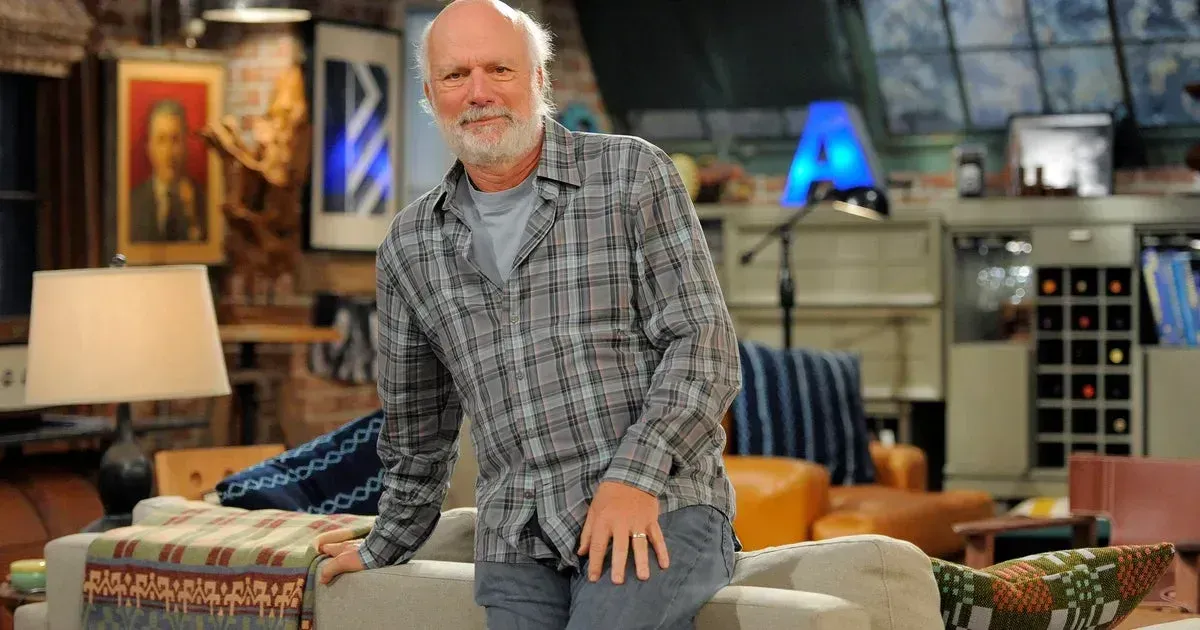
James Burrows, the television director and Cheers co-creator whose work shaped decades of American sitcoms, has died at 85. His career stretched across landmark comedies, from The Mary Tyler Moore Show and Taxi to Friends, Frasier and Will & Grace. That range made him a bridge between eras of television: network workplace comedies, 1990s ensemble hits and later sitcoms built around sharper cultural identity.
His family confirmed his death on June 19, 2026, in a statement cited by CBS News. A cause of death was not immediately disclosed, and tributes focused on his long record of directing actors, pilots and ensemble comedies that became part of television history.
James Burrows was not only a successful director; he was one of the people who defined how multi-camera comedy sounded and moved. AP reported that he directed more than 1,000 episodes over a career spanning five decades.
A Career Built Around Ensemble Timing
Burrows' influence came from his ability to make comedy feel live, precise and human at the same time. Sitcom directing is often invisible when it works, but timing, blocking and actor rhythm determine whether a joke lands or dies in the room. Burrows was known for protecting that rhythm without making the direction feel showy, which is one reason so many series trusted him at their most fragile early stage.
He co-created Cheers with Glen and Les Charles and directed most of the show's episodes. That consistency helped the series keep its emotional geography intact: the bar, the regulars, the pauses, the glances and the sense that every joke came from people who knew one another too well. The series became a model for workplace comedy because its bar setting allowed character, banter and emotional continuity to develop without losing the tight structure of weekly television.
Burrows helped turn sitcom staging into a craft of trust, pace and ensemble chemistry.
His later work reinforced that reputation. Page Six and AP noted credits across Friends, Will & Grace, Frasier, The Big Bang Theory and other major comedies. The common thread was not a single joke style, but an ear for performance and a belief that actors needed space to find rhythm together. That approach helped casts appear relaxed even when scripts were tightly engineered around entrances, reactions and audience laughter.
Why His Sitcom Work Endured
Burrows became especially associated with pilots and early episodes because those installments set the grammar for an entire series. A pilot has to introduce characters, tone, camera language and comic tempo before an audience has any reason to care. Burrows repeatedly handled that pressure, helping shows establish a world quickly enough that viewers could understand relationships before they knew every backstory.
Cheers and Friends show that skill in different ways. Cheers built humor from regulars circling the same emotional room; Friends turned a young ensemble into a weekly social ritual. In both cases, the direction helped viewers feel they were entering a familiar space.
Will & Grace gave Burrows another long-running showcase. AP reported that he directed every episode of the original run, a rare level of continuity that helped the show's cast keep a stable comic rhythm through shifting cultural and network expectations.
The Legacy Is in the Performances
Television comedy often remembers writers and stars first, but directors shape the conditions under which both can work. Burrows belonged to the small group of directors whose craft became part of the audience experience even when viewers could not name exactly what he had done.
That is why his credits read less like a list of isolated jobs than a map of mainstream television comedy. Burrows' reputation rested on making rooms where actors could be funny together rather than simply deliver lines in sequence.
That is why his death is being felt across generations of performers and producers. Many viewers may not have known his name while watching the shows, but they knew the pacing, comfort and ensemble confidence his direction helped create. The practical legacy is enormous: more than 1,000 episodes, 11 Emmy wins reported by AP, and a direct line through several of the most durable sitcoms in American television. Burrows' work remains visible every time those shows find new viewers who still laugh on cue. The shows endure because the performances still feel connected, and that sense of connection was the part of comedy he spent a lifetime arranging.