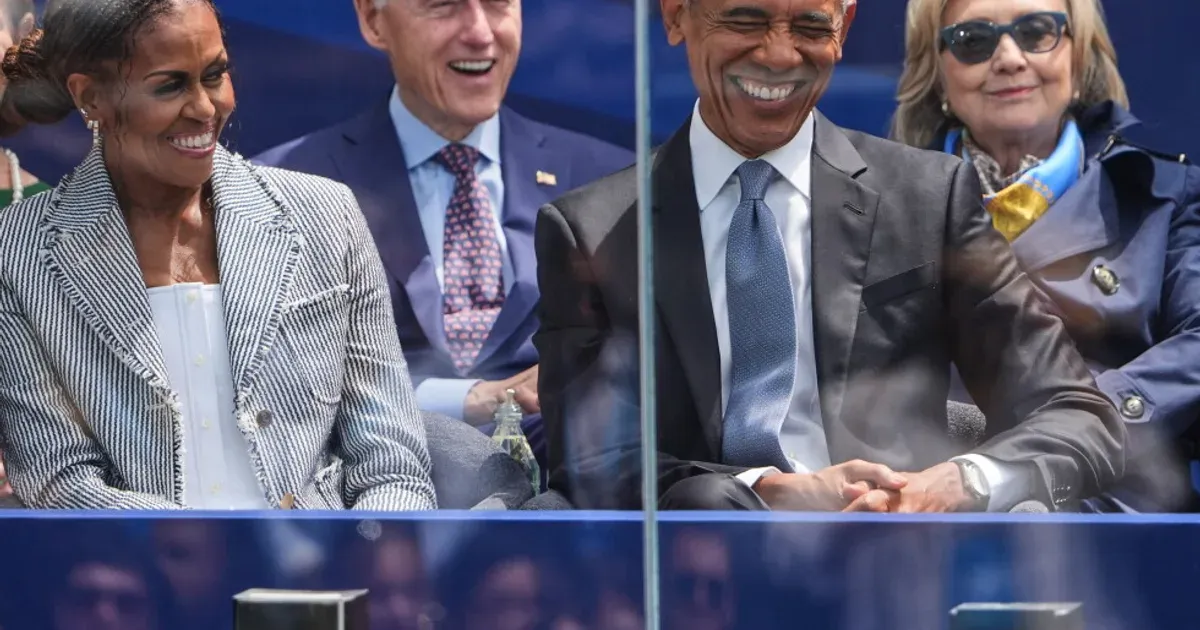
The Obama Presidential Center opened in Chicago with the scale of a national ceremony and the burden of a local promise. Former presidents, musicians, actors and political figures gathered for a dedication that was framed less as a monument than as a civic project for the South Side. The politics around it were unmistakable, but the local test is more demanding than the stagecraft.
On June 18, 2026, the opening ceremony brought Barack and Michelle Obama back to the city that shaped their public lives. The center is scheduled to open to the public around the Juneteenth weekend, with tickets reportedly in heavy demand and the campus expected to draw major visitor traffic.
The Obama Presidential Center is not a standard presidential library built mainly around paper archives. The project includes a museum, digital archive concept, public library branch, gathering spaces, gardens, play areas and a civic plaza meant to keep the site active beyond school trips and nostalgia tours.
A Presidential Library With a Different Bet
The ceremony leaned into memory, celebrity and democratic language. Barack Obama used the moment to speak about civic responsibility and the fragility of democratic habits, while Michelle Obama tied the center's meaning to Chicago's South Side and the communities that surrounded the project from the beginning.
The guest list helped turn the opening into a cultural event. Former Presidents Joe Biden, George W. Bush and Bill Clinton attended, along with major performers and public figures. President Donald Trump was the absent figure in the room, even when he was not the focus of the speeches.
Obama described the center as a 'vibrant, living celebration of community.'
That phrase captures the project's ambition but also sets the standard by which it will be judged. A living civic center has to keep serving people after the cameras leave. The museum experience, the public programming and the way the grounds are used by nearby residents will matter more than the opening-night cast list.
Chicago Gets the Upside and the Risk
The South Side campus gives the center moral force. It also raises practical questions about development pressure, traffic, neighborhood benefit and whether the project's jobs, visitors and programs will reach residents who were asked to absorb years of disruption.
Supporters see the center as an anchor that can bring tourism, education and civic energy to a part of Chicago often flattened by outside narratives. Critics have long worried about cost, displacement and whether presidential branding can overwhelm local needs. Those objections do not disappear because the ribbon has been cut.
Both readings can be true at once. The center can be historically significant and still owe the surrounding community a measurable return. Symbolism does not pay rent, protect small businesses or guarantee that local students receive meaningful access to the programs being promised in their name.
The Real Opening Starts After the Gala
The blunt test begins now. Grand openings are easy compared with long-term stewardship. A campus can be beautiful, packed with famous names and still fail if it becomes a destination people visit once rather than a civic institution people use.
Obama's legacy gives the center an audience before it proves anything. That is an advantage, but it is also a trap. The project cannot live forever on affection for a former president or on the cultural glow of opening night. It has to show that its civic mission is not a museum label attached to an expensive building. The serious version of the Obama Center has to do what politics often promises and rarely delivers: move resources, attention and opportunity toward people who were not already close to power. If it becomes only a polished shrine, the South Side will have hosted another national story without receiving the full value of its own. That would be the unforgivable outcome. A presidential center built on community language cannot settle for ceremonial gratitude while the neighborhood carries the daily costs. The institution either becomes useful enough to justify its footprint, or it becomes a monument to how elegantly power can talk about service without surrendering much of itself. Chicago will learn quickly which version it has been given.