Apple confirmed on April 23, 2026, that its long-term hardware strategy continues to prioritize the aggressive integration of software features with entry-level price points to secure consumer loyalty. Executives have shifted focus toward a dual-track approach that combines high-margin flagship devices like the iPhone 14 Pro with more accessible gateways into the digital ecosystem. Analysts at several major investment firms noted that this methodology siphons market share from established competitors who previously held the advantage in low-cost hardware. Market data indicates that pricing remains the primary barrier to smart home adoption for a substantial portion of the global population.
Apple released the HomePod Mini at $99 to address these specific pricing concerns within the smart speaker sector. Competitors such as Amazon and Google had previously dominated the sub-$100 category with their respective Echo and Nest products. By matching the $99.99 price point of the Amazon Echo (4th Gen) and Google Nest Audio, Apple removed the financial friction that often deterred potential Siri users. Sales records show that the smaller form factor appealed to consumers seeking multi-room audio setups without the high overhead of the original HomePod. Revenue from the wearables and home category increased as a direct result of this accessibility.
HomePod Mini Disrupts Established Smart Speaker Pricing
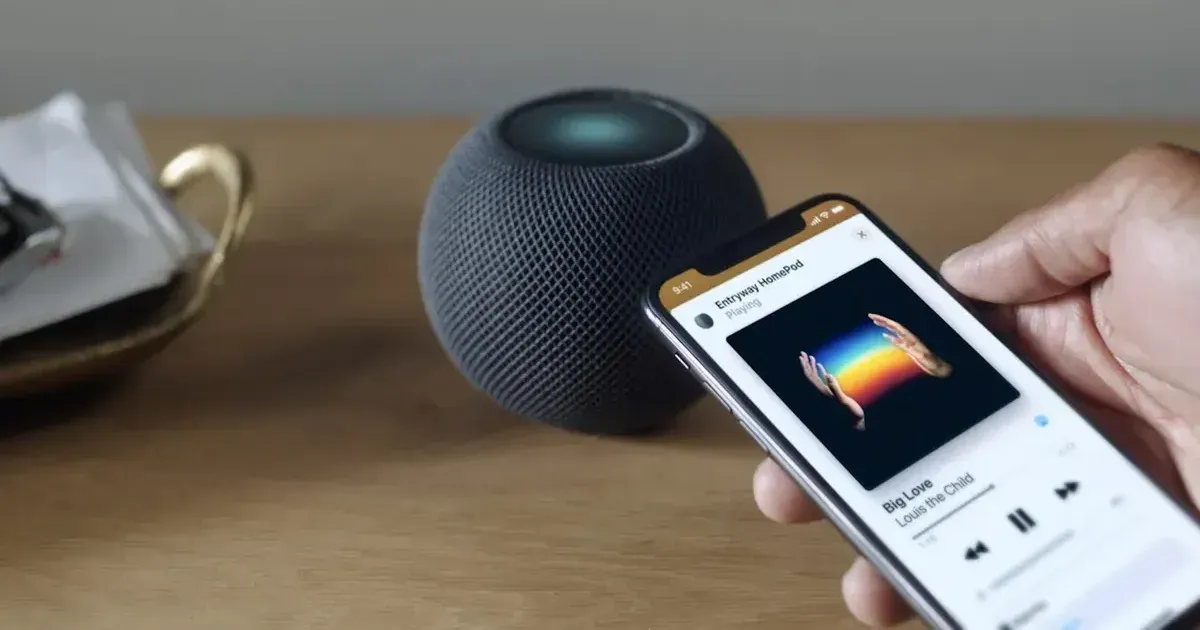
Engineering teams designed the HomePod Mini to look strikingly similar to the latest Amazon Echo, featuring a spherical frame and a colorful touch display on the upper surface. Physical playback controls and Siri activation remain centered on this top interface. Despite its reduced size, the device maintains full integration with the Siri digital assistant and smart home controls via HomeKit. Users can manage lighting, security cameras, and climate systems directly through voice commands. Internal hardware supports the Find My network, allowing the speaker to locate lost iPhones or Apple Watches within a household environment.
Intercom functionality appeared as a major addition to the Apple software suite during this product cycle. Individuals can broadcast voice messages across multiple HomePod units or send them directly to a variety of personal devices. Apple expanded this capability to include the iPad, Apple Watch, AirPods, and even CarPlay. This cross-device communication creates a closed-loop ecosystem where users find it increasingly difficult to switch to competing platforms. Integration with existing services like Apple Music and Podcasts further solidifies the speaker's utility for current subscribers. Connectivity happens through the Apple S7 chip, which improves audio performance for the device's specific acoustics.
Retailers including Best Buy and other major outlets began carrying the device on November 16. Preorder data suggests that the attractive price point encouraged bulk purchases for different rooms in a single home. Previously, the original HomePod commanded a premium price that limited its reach to audiophiles and high-income households. Moving to a more democratic pricing structure allowed Apple to gather more user data and improve its machine learning models through increased voice interactions. Competition in the smart home space tightened as a result of this aggressive move.
Dynamic Island Rethinks Mobile User Interface Constraints
IPhone 14 Pro models introduced a substantial design departure from the traditional screen notch by implementing the Dynamic Island. Software engineers transformed what was once viewed as dead space into an interactive hub for notifications and background activity. The oval-shaped cutout hides the front-facing camera and FaceID sensors while appearing to expand and contract based on the context of the user interaction. This feature remains exclusive to the Pro and Pro Max iterations of the 14-series lineup. Logic dictates that such hardware-software symbiosis serves to justify the higher price ceiling of the flagship devices. The competition from Amazon and Google extends beyond smart speakers into the broader market for streaming devices.
“Calling it a redesigned notch wouldn’t be accurate, but it is a new and creative way for the space at the top of the iPhone’s screen to be used.”
System alerts and current activities like timers or music playback live within the Dynamic Island interface. Tapping on the area provides immediate shortcuts to active applications. This interaction model reduces the need for users to constantly navigate back to the home screen or open the Control Center. Visual animations make the transition between a small pill-shaped icon and a larger notification window appear seamless. Developers have leveraged this space to show real-time information such as sports scores or delivery tracking. User feedback suggests that this utility makes the hardware obstruction feel intentional rather than restrictive.
Hardware limitations dictated the size and placement of the FaceID sensors for years. Apple chose to embrace the physical constraint by wrapping it in a fluid software layer. The display pixels surrounding the sensors can be turned off completely to make the cutout look like a single unified element. When notifications arrive, the black area expands to display text or icons before shrinking back to its original state. Battery life remains unaffected by these small-scale animations due to the efficiency of the OLED panels used in the Pro models. Efficiency in UI design has become a hallmark of the recent iPhone evolution.
Intercom Functionality Anchors Apple Ecosystem Growth
Communication within the home environment became a central foundation of the Apple software update accompanying these hardware releases. Families use the Intercom feature to send quick audio snippets without requiring a full phone call. These messages appear as notifications on the recipient's Apple Watch or play through their AirPods. Such detailed connectivity reinforces the value of owning multiple Apple products. Competitors struggle to match this level of hardware-software synchronization across different product categories. Ecosystem lock-in is a byproduct of this seamless integration.
CarPlay integration allows users to receive Intercom messages while driving, bridging the gap between home and transit. Voice-to-text and audio playback ensure that the driver remains focused on the road while staying connected to the household. HomePod Mini units serve as the primary nodes for this network, but the system relies on iCloud to manage the routing of messages. Security protocols encrypt these communications to maintain user privacy, a point the company frequently emphasizes in marketing materials. Privacy remains a key differentiator for the brand in the smart home market.
Product launches in the smart home sector have historically favored companies that prioritize quantity over quality. Apple inverted this trend by offering a high-quality audio experience at a competitive price. The inclusion of computational audio features allows the HomePod Mini to analyze and adjust sound profiles in real-time. Sensors inside the device detect the proximity of an iPhone to hand off music playback effortlessly. These small technical details create a user experience that justifies the purchase for those already invested in the iOS ecosystem. Market saturation for smart speakers continues to climb as entry costs fall.
Smart Home Strategy
Will the pursuit of market share through discount pricing eventually erode the prestige that Apple has cultivated for decades? History suggests that tech giants only lower prices when they fear total market exclusion. By pricing the HomePod Mini at $99, the company admitted that its previous premium-only approach was a failure in the smart home category. It was not a gesture of goodwill; it was a desperate defensive maneuver against the encroaching dominance of Amazon and Google. The reliance on $99 entry points indicates a shift from selling hardware as a luxury good to selling it as a Trojan horse for recurring service revenue.
Dynamic Island is a clever piece of UI theater that masks a failure in hardware innovation. Instead of achieving a truly under-display camera, engineers simply dressed up the existing obstruction with distracting animations. It is a brilliant marketing distraction that turns a physical flaw into a branded feature. Consumers should be skeptical of any company that markets the presence of a screen cutout as a revolutionary breakthrough. The tech industry thrives on these small psychological wins that mask a lack of genuine progress. Apple is no longer leading through invention but through the masterly refinement of existing constraints.
The strategy works today, but it leaves the door open for a competitor to leapfrog the entire concept with truly invisible technology. Innovation through illusion.