Early April MLB odds content has a short shelf life. A Cubs-Angels price shaped by Wrigley Field conditions, a Red Sox-Astros number built around Garrett Crochet, or a Yankees-Mariners line pulled by New York's strong opening trip can feel urgent before first pitch and dated by dinner.
The short shelf life is not a reason to ignore the analysis. It is a reason to treat it as perishable. Once the games were played, the useful question was not whether an old line was still actionable. It was whether the reasoning survived contact with baseball's first-week chaos.
The Wrigley Angle Had Limits
Cubs-Angels was the kind of April matchup that invites weather talk. Wrigley Field can turn wind direction, temperature and ball flight into part of the betting story, especially before the season has produced much statistical evidence. That made the environment worth discussing.
The final result, a 6-2 Cubs win on April 1, also showed the limit of treating weather as the whole angle. Matthew Boyd and Yusei Kikuchi mattered. Lineup contact mattered. Bullpen path mattered. The park did not disappear from the analysis, but it did not replace the baseball.
The gap between factor and headline is where many early odds articles get too loud. A real factor becomes an easy headline, and the headline starts carrying more weight than the factor deserves.
Crochet Was the Right Name, Not the Whole Game
Red Sox-Astros centered naturally on Garrett Crochet because strikeout left-handers give markets something concrete to price. In a thin April sample, a power starter can feel like the cleanest piece of information on the board.
Houston's 6-4 win was a useful correction. Crochet still mattered, but he did not control the whole night. The Astros reached him for damage, Carlos Correa's three-run swing changed the game, and the matchup became a reminder that starter focus can crowd out lineup quality, park context and bullpen exposure.
Reviewing the old angle is not hindsight smugness. It is the point of reviewing old odds content. If the preview leaned too heavily on one arm, the result gives the reader a way to test the argument instead of merely moving on to the next board.
Yankees Momentum Was Real and Fragile
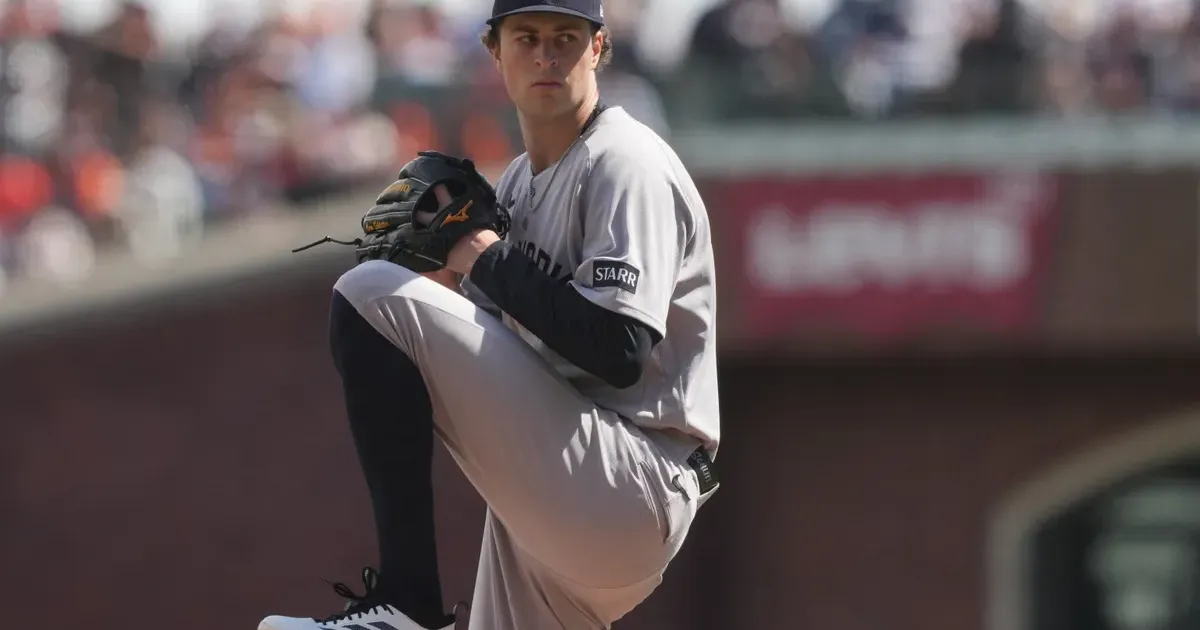
The Yankees' 5-3 win in Seattle made the early momentum story look reasonable. Cam Schlittler's work, Paul Goldschmidt's three-run homer and Ben Rice's production pushed New York to a 5-1 West Coast trip before the home opener. For a public team, that kind of start attracts attention quickly.
The caution is that attention is not the same thing as price value. A hot Yankees opening week can be true and still become expensive in the market. Public teams often carry a surcharge because casual bettors recognize the logo, remember the last win and prefer the familiar side.
April momentum therefore needs a tighter frame. It can identify form. It cannot prove health, depth, bullpen durability or whether the lineup will hold up once opponents adjust.
Sportsbook Content Creates Urgency by Design
Odds articles are built to make ordinary games feel immediate. That is the business. A weather note, starting-pitcher trend or early record gives the reader a reason to care before the board moves.
The risk is that urgency can make a small edge sound firmer than it is. A note can be accurate without being decisive. A trend can be interesting without being predictive. A price can move for reasons that say more about public demand than team quality.
For readers, the better habit is to separate explanation from recommendation. Understanding why a number moved is useful. Treating every movement as a green light is how early-season betting coverage turns thin information into overconfidence.
The Result Is Part of the Audit
Old odds analysis should not be erased once the game is over. It should be audited. Did the weather note matter? Did the starting-pitcher edge hold? Did the preview respect bullpen availability, lineup news and public-market pressure? Did it admit how little April had proved?
A results audit is more valuable than pretending every pregame angle was equally sharp. The Cubs, Astros and Yankees games each preserved one piece of the original logic while exposing another weakness. That is exactly what early baseball does.
April Does Not Give Anyone Enough Certainty
uncertainty is not a flaw in the April market. It is the market. Everyone is pricing projections, weather, pitcher history, new roles, one-week records and incomplete lineup information at the same time.
April uncertainty makes loud betting language dangerous. A Wrigley weather angle can be real. A Crochet start can matter. A Yankees surge can move the market. None of those facts should be sold as settled truth in the first week of a 162-game season.
The most useful lesson from those April odds is restraint. The angle may be worth reading. The price may even be worth tracking. But early baseball does not reward certainty as much as it punishes people who mistake a few clean hours of narrative for evidence.