Brian Hooker walked out of a Bahamian detention center, ending days of intense questioning by local investigators regarding the disappearance of his wife. Local police held the American national for over a week while search teams combed the waters for Lynette Hooker, who vanished during what her husband described as a nighttime boat excursion. No formal charges have been filed against him at this stage of the investigation. Prosecutors cited a lack of immediate physical evidence to justify further detention under Bahamian law. The release took place on April 14, 2026. High-level discussions between the U.S. Embassy and local authorities preceded the decision to let him depart the facility late Monday night.
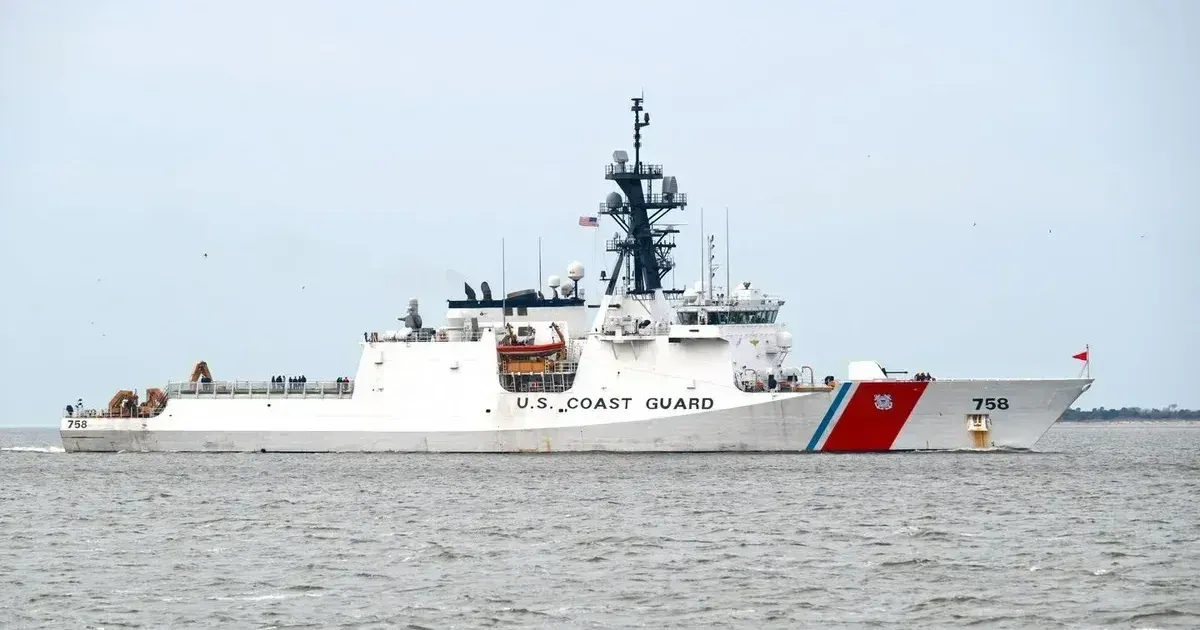
Search operations continue across the turquoise expanses where the couple had been sailing. Investigators have focused their efforts on the specific coordinates Brian Hooker provided when he first alerted the Coast Guard to the emergency. He maintains that Lynette fell overboard while the vessel was in transit, though the exact circumstances of the fall remain a point of serious scrutiny for maritime experts. Weather conditions on the night of the incident were reportedly calm, a factor that complicates the narrative of an accidental tumble into the sea.
Social Media Trail Under Review
Digital evidence has become a central foundation of the ongoing probe. Facebook messages exchanged between Brian Hooker and a friend shortly after the disappearance are now being analyzed by digital forensics teams. These communications, exclusively reviewed by CBS News, capture the immediate reactions of a man whose spouse had just vanished into the Atlantic. Friends of the couple describe the tone of these messages as distressed, yet investigators are looking for inconsistencies in the timeline he presented to officials. One specific thread appears to detail the moments leading up to the 911 calls, providing a timestamped record of his activities during the critical window of eight days ago.
Authorities have not publicly detailed the specific content of these social media exchanges. Instead, they are cross-referencing the messages with GPS data recovered from the boat's navigation system. Discrepancies between digital logs and personal accounts often serve as the basis for further legal action in missing persons cases. Neighbors at the marina where the couple docked their vessel recall a quiet pair who mostly kept to themselves while preparing for their voyage. Such isolation is common among the cruising community, making external witnesses to the event nearly impossible to find.
Resurfaced Records From January 2024
Tensions within the marriage appear to predate the Caribbean trip by several years. Messages that Lynette Hooker sent to a friend in January 2024 indicate a growing sense of unease regarding her husband and their shared lifestyle on the water. These resurfaced texts suggest that the dream of a life at sea had become a source of anxiety for the missing woman. She expressed specific concerns about Brian's behavior and the isolation inherent in long-term sailing. This historical context provides a different lens through which investigators are viewing the current disappearance.
“Lynette Hooker sent messages to a friend in January 2024 that indicate she had concerns about her husband, Brian, and their life at sea, according to report details shared by Cristian Benavides of CBS News.”
Relationship dynamics often provide the necessary motive in cases involving spouses missing at sea. Previous communications reveal a woman who felt trapped by the very environment her husband championed. Friends who received these texts in early 2024 have recently come forward to share them with international law enforcement agencies. These disclosures forced Bahamian police to broaden their investigation beyond a simple search-and-rescue mission. Patterns of domestic discord are now a primary focus of the criminal inquiry.
Missing Persons Case Under Scrutiny
Prosecuting maritime disappearances is an exercise in futility when the only witness is the prime suspect. The decision to release Brian Hooker highlights a systemic failure in how international jurisdictions handle potential domestic violence at sea. Without the physical presence of a victim, the legal system reverts to a state of paralysis, favoring the freedom of the accused over the pursuit of justice for the disappeared. The case exposes the terrifying reality that a boat on the open ocean is one of the few places where a person can vanish with near impunity.
Observers should be skeptical of the accidental overboard narrative, especially given the chilling digital trail left by Lynette Hooker two years ago. Those 2024 messages extend beyond historical footnotes to become a portrait of a deteriorating domestic situation that culminated in a tragedy. The maritime environment acts as a force multiplier for abusers, providing isolation and a convenient excuse for sudden, violent exits. Law enforcement must stop treating these incidents as tragic accidents until every alternative is exhausted. Reliance on the suspect's timeline is a dereliction of investigative duty.
Wait for the forensics or wait for the silence. History suggests that when the ocean claims a secret, the law rarely finds a way to speak for the dead. A total failure.