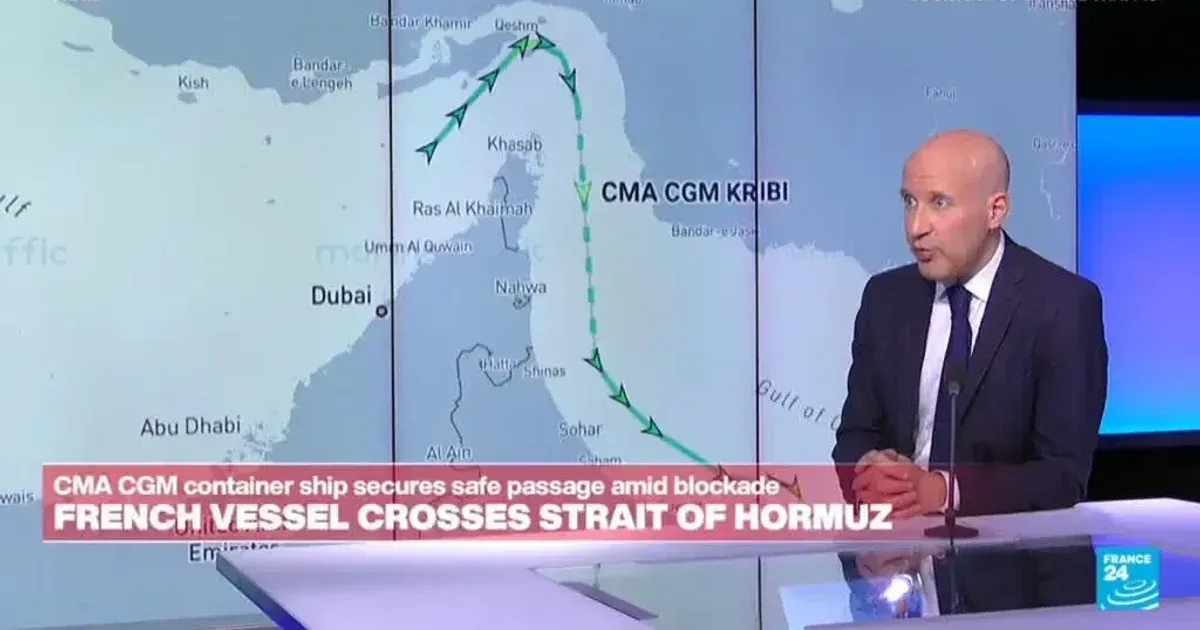
Strait of Hormuz disruptions forced food exporters and shipping companies to rethink routes into the Gulf, adding another economic cost to the Iran conflict. The shift matters because food cargo is less visible than oil but still depends on predictable port access. By April 15, 2026, traders were treating the waterway less like a routine passage and more like a strategic risk that could reshape delivery schedules.
The strait is best known for oil, but food shipments also depend on predictable maritime access. Grain, animal protein, cooking oils, and other staples move through regional ports that serve Gulf markets. When insurance costs rise or vessels avoid the area, importers must look for alternatives that are slower, more expensive, or less direct.
That shift matters because food supply chains operate on timing. A delayed cargo can affect wholesalers, retailers, and government buyers, especially in countries that rely heavily on imports for basic staples.
Food Cargo Seeks Safer Routes
Exporters have several options, but none are cost-free. Some cargo can be routed through the Red Sea and onward through regional logistics hubs. Other shipments may need to move around Africa or discharge at ports farther from their final destination. Each adjustment adds fuel, time, insurance, and handling costs.
Brazilian agribusiness has a particular stake because it ships major volumes of soy, corn, meat, and other food products to Middle Eastern buyers. If Gulf access becomes unreliable, exporters must balance contract obligations against vessel safety and freight rates.
Importers face their own choices. They can pay more to secure cargo, draw down inventories, diversify suppliers, or seek overland distribution from alternative ports. Those choices may keep shelves supplied, but they can push costs into consumer prices.
Hormuz Risk Moves Beyond Oil
The Hormuz debate often begins with energy because a large share of global oil trade passes through the area. The food-route problem shows the risk is broader. Modern supply chains layer energy, insurance, finance, port capacity, and diplomatic access into one system. Stress in one part can travel quickly.
Shipping companies also need clarity from governments and insurers. A route that is technically open may still be unattractive if crews face danger, premiums spike, or naval instructions change. Commercial decisions become security decisions when vessels move near a conflict zone.
For food-importing governments, the political danger is inflation. A modest increase in shipping costs can become a visible rise in food prices if it coincides with currency weakness or domestic shortages. That makes maritime security a household issue, not only a diplomatic one.
Regional Buyers Face Higher Costs
The longer the disruption lasts, the more buyers will try to redesign contracts around resilience. They may seek more flexible delivery points, larger inventories, or suppliers outside the most exposed lanes. Those changes can reduce risk but often increase baseline costs.
Exporters will also watch whether naval patrols, diplomatic talks, or insurance guarantees make the route more predictable. If they do, some cargo may return quickly. If not, temporary diversions can become semi-permanent habits.
The food-route shift is a warning about the hidden reach of the Iran conflict. Closing or threatening a narrow waterway does not only affect tankers. It changes how food moves, how governments plan, and how families experience prices in markets far from the strait itself.
The most exposed buyers will not wait for a formal closure before changing behavior. If insurers price the route as risky or captains receive new security guidance, cargo planners may redirect ships even while diplomats insist the lane remains open. That gap between legal access and commercial confidence is where costs rise. Food supply chains depend on predictability, and Hormuz has become less predictable at the exact moment importers need certainty.
Food companies will also need to communicate carefully with buyers. A retailer or government importer may understand that freight costs have increased, but consumers usually see only the final price. If staple foods become more expensive because cargo moved through a longer route, the political pressure will land on local officials rather than distant naval planners. That is why governments may try to secure priority shipments, expand reserves, or negotiate temporary supply agreements. Each step can reduce immediate risk, but it also shows how a maritime security problem can become a food-security planning problem within weeks.
Shipping executives will also watch port congestion. Rerouting cargo only works if alternative ports can handle the extra volume, storage, customs paperwork, and inland transport. A safer route can still become expensive if ships wait offshore or if containers sit in the wrong place. That operational friction is where a strategic crisis becomes a logistics problem for food companies. It is likely to persist even if the route never fully closes, because shipping decisions are based on risk as much as formal access. For food buyers, that uncertainty is already changing planning behavior and adding costs.