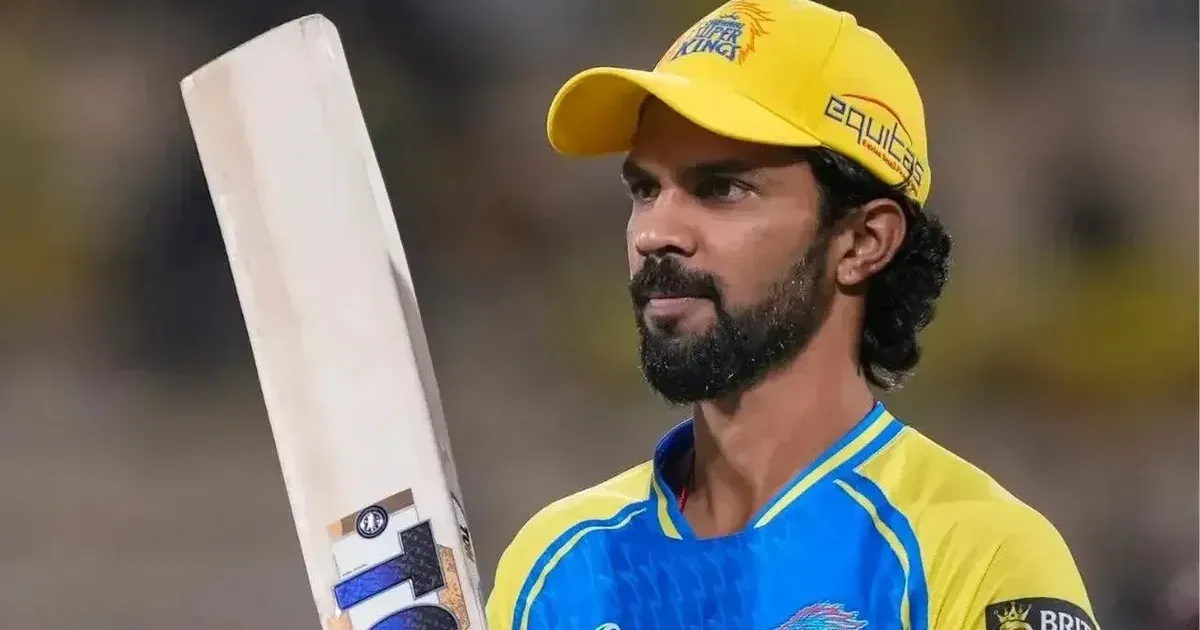
Ruturaj Gaikwad defended his slow start to the Indian Premier League season as Chennai Super Kings faced questions about batting form, captaincy pressure, and the team's place in the table. Supporters had already begun debating whether the transition at CSK was moving too quickly. The scrutiny intensified on April 15, 2026, after a poor run total across his first five innings.
Gaikwad's answer was measured. He did not deny the lack of runs, but he pushed back against the idea that a short stretch should define his season. For an opening batter and captain, that balance is important. He must acknowledge the scoreboard while keeping the dressing room from treating every innings as a referendum.
Chennai's situation is complicated by the shadow of past success. The franchise built its identity around calm leadership, late-season surges, and experienced players handling pressure. Any new captain is judged against that memory before he has time to build his own rhythm.
CSK Transition Adds Pressure
The immediate numbers are clear enough. A top-order batter who produces only a modest return over five innings leaves the middle order exposed. In T20 cricket, early wickets can force a side to rebuild when it should be attacking. That changes the innings plan for everyone who follows.
Gaikwad's defense rests on a familiar sports argument: form can turn quickly if the process remains sound. Timing, shot selection, and matchup choices often matter more than one headline total. A batter who starts well but finds fielders can look out of form before the results catch up.
Still, captaincy makes the slump louder. A player leading Chennai must answer not only for his own runs but also for selection, batting order, bowling changes, and mood. Even a 23-run win over Delhi Capitals offered only temporary relief because the larger table position remained uncomfortable.
Runs Still Decide the Debate
For CSK, the fix is not purely emotional. The team needs more powerplay stability and cleaner acceleration after the field spreads. If Gaikwad can bat deeper, Chennai can hold wickets for the final overs and allow finishers to attack with less repair work to do.
Support around him also matters. A captain's form crisis becomes worse when the rest of the top order is inconsistent. If other batters contribute, Gaikwad can rebuild without forcing shots. If they fail, every dot ball becomes a public problem.
The IPL season is long enough for narratives to reverse, but short enough that teams cannot wait forever. Chennai do not need Gaikwad to answer every criticism with a century. They need repeatable starts, clearer tempo, and enough runs to make the captaincy debate less central.
The pressure will remain until the scoreboard changes. For now, Gaikwad's defense buys time, not certainty. Chennai's next few matches will show whether his poor totals were a short dip or a sign that the franchise's leadership transition still needs more support around it.
CSK can help him by reducing the number of problems he has to solve at once. Clearer roles for the middle order, more stable bowling plans, and sharper fielding would keep the captaincy debate from becoming only a batting referendum. Gaikwad still needs runs, but a healthier team structure would let him play with patience instead of trying to answer every criticism in the first six overs. That is usually how a temporary slump becomes manageable rather than defining. There is also a tactical layer to Gaikwad's response. Opening batters in the IPL face different demands depending on pitch pace, boundary size, and the bowling matchups available in the powerplay. If he attacks too early while searching for form, Chennai risk another quick wicket. If he becomes too cautious, the required rate can move against the side before the middle order arrives. The best answer is usually not a public defense but a cleaner scoring pattern: rotate strike early, punish the loose ball, and let one stable partnership change the tone around the innings. That is the kind of evidence that quiets a form debate faster than any press conference. Selection choices will also shape the response. If Chennai keep faith with the same batting order, they are signaling that roles matter more than short-term noise. If they reshuffle quickly, they may solve one problem while creating uncertainty elsewhere. Gaikwad's best protection is a team plan that looks calm even when the table does not. That is why the next win needs to show method, not only relief. The franchise does not need a public drama around every selection call. It needs evidence that the captain and coaching staff still understand the best version of the side. A calm chase, a clean powerplay, or one innings in which Gaikwad bats through the middle overs would change the conversation quickly. Results will decide whether that patience holds. A single composed innings would matter more than another explanation.