Belgium's 5-2 win over the United States in Atlanta was not just a bad friendly. In hindsight, it was the warning the USMNT never fully solved. The March 28 match at Mercedes-Benz Stadium exposed the same defensive fragility, transition panic and emotional drift that later damaged the American World Cup run.
The U.S. had enough early promise in Atlanta to make the collapse more troubling. Weston McKennie put the hosts ahead, but Belgium answered with five straight goals before Patrick Agyemang's late consolation. Zeno Debast, Amadou Onana, Charles De Ketelaere and Dodi Lukebakio turned loose American spacing into a rout, with Lukebakio scoring twice in the second half.
Belgium Punished the Same Open Spaces Twice
The Atlanta friendly showed a team that could create danger but could not protect itself once the match became stretched. Belgium did not need permanent control. It needed enough clean moments after turnovers, enough space between American lines and enough hesitation in recovery runs.
That pattern became harder to dismiss after the World Cup. When Belgium beat the United States 4-1 in the last 16 in Seattle, the earlier friendly looked less like an isolated off night and more like a scouting report. Different stakes, same core warning: the USMNT could be pulled apart when its first pressure failed and its defenders were forced into emergency decisions.
Pochettino's Culture Message Needed Tactical Proof
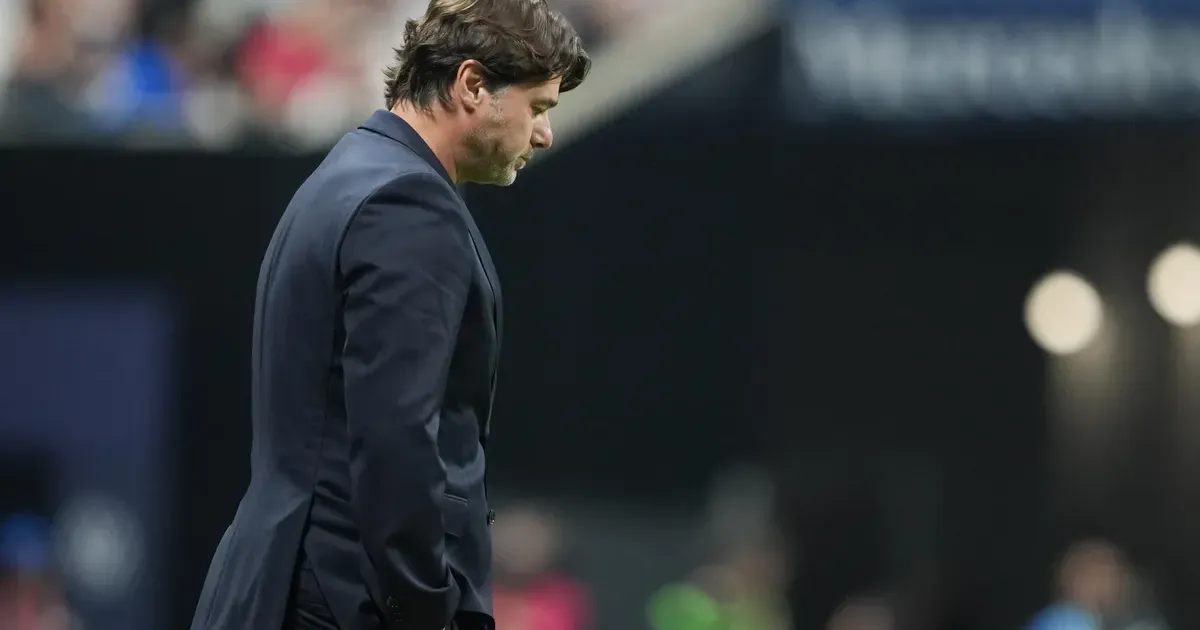
Mauricio Pochettino was right to treat the March defeat as more than a scoreboard problem. The issue was not only attitude. It was structure. A team can speak about intensity and courage for months, but tournament football tests whether the midfield closes lanes, whether fullbacks recover on time and whether center backs receive protection before Belgium's runners are already at speed.
The U.S. did have attacking positives in Atlanta. It created chances, pressed with energy in spells and showed why the roster carried more technical ambition than earlier cycles. The problem was that the attack did not buy enough defensive control. Once Belgium found rhythm, the game tilted too quickly.
The Friendly Became a Missed Audit
Friendlies are useful when they change selection meetings and training habits. Atlanta gave the staff a clear list: tighten rest defense, reduce space after turnovers, improve communication on wide rotations and decide which defenders could handle elite direct runners without constant rescue.
The later World Cup exit made those questions harsher. A host nation cannot rely on crowd energy to defend for it. Home pressure can lift a team, but it can also expose uncertainty when errors repeat and the stadium turns anxious.
The hard lesson is that the Belgium friendly was not a humiliation to forget. It was a diagnostic test. The USMNT saw the warning months before the knockout rounds and still carried too many of the same habits into the tournament. Talent moved the program forward. Defensive reliability kept the ceiling lower than the ambition.