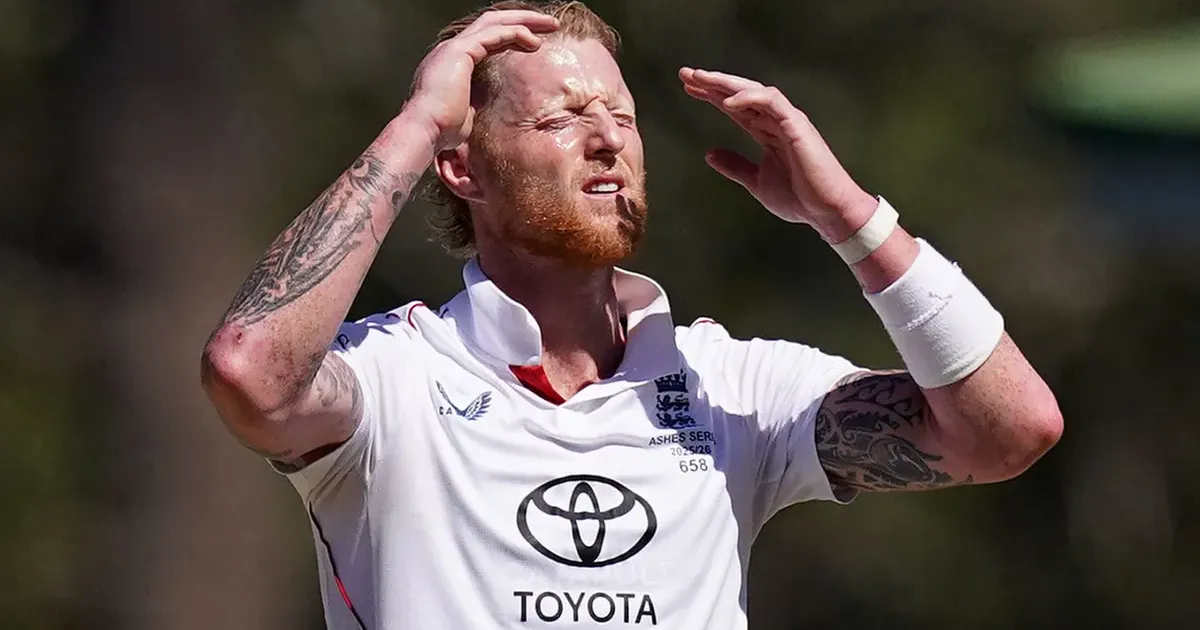
Ben Stokes' return to competitive cricket has been pushed back as he continues recovering from surgery on a broken cheekbone. The England Test captain had been expected to feature for Durham early in the County Championship season, but his comeback is now unlikely before May.
The injury leaves Durham without its highest-profile all-rounder for the opening stretch of the campaign and gives England one fewer chance to assess his match rhythm before the Test summer. It is not a selection crisis yet. It is a reminder that Stokes' availability has become one of English cricket's most sensitive variables.
Stokes suffered the facial injury after being hit by a ball in the nets at Chester-le-Street in February. The recovery has been treated cautiously, which is the only sensible approach when a player must return to batting, fielding and possible short-ball exposure at full speed.
Durham Lose Early-Season Balance
For Durham, the absence is both tactical and symbolic. Stokes changes the shape of a side because he can occupy the middle order, bowl important overs when fit and alter the emotional temperature of a dressing room. Even when he is not operating at full all-round capacity, his presence changes how opponents read the game.
The club can still build a competitive XI without him, but it loses flexibility. Younger players and county regulars now carry the early-season workload without the buffer of England's captain in the side. That matters in April cricket, when conditions can exaggerate small selection weaknesses.
The commercial side is secondary but real. Stokes' name attracts attention whenever he appears for Durham. His absence does not empty the ground by itself, but it removes the obvious headline from fixtures that might otherwise have drawn wider national attention.
England Need Rhythm More Than Drama
The larger concern belongs to England. Stokes' captaincy has been built on urgency, visible confidence and a willingness to pull the side into aggressive positions. That style is easier to sell when the captain is on the field, physically involved and visibly ready.
Missing the first month of county cricket limits his preparation window. He does not need to prove his status, but he does need time in match conditions. Nets and fitness work can preserve conditioning; they cannot fully recreate the judgment required after hours in the field or the reflexes required against high pace.
England have managed Stokes' body carefully before, especially around knee and workload questions. The cheekbone injury is different because it affects confidence as much as conditioning. A batter returning from a facial injury must trust the repair, the helmet, the eyes and the instinct to stay in line with the ball.
Facial Injuries Carry A Mental Cost
Cricket has seen enough serious facial injuries to know the recovery is not purely medical. Stuart Broad, Craig Kieswetter and others became reference points because high-speed impacts can change how a batter reacts, even after scans and clearances say the bone has healed.
Stokes' reputation is built on nerve, but nerve is not the same as recklessness. The sensible target is not the earliest possible return. It is the first return that lets him play without protecting himself at the expense of technique or decision-making.
That is why May is a more useful marker than a dramatic deadline. If he returns then, Durham get a stronger player and England get a captain with time to sharpen before the international schedule tightens. If he is rushed, everyone inherits a bigger problem.
One Injury Exposes A Structural Reliance
The hard truth is that English cricket still leans heavily on Stokes for more than runs, wickets or captaincy titles. He is the emotional engine of the Test side and the public face of its aggressive identity. That makes every setback feel larger than one player's injury report.
A strong system should survive a delayed county return by its captain. If England's approach depends on Stokes being physically present every week to keep the mood bold, then the philosophy is less durable than its marketing suggests.
The cheekbone injury should not be inflated into panic. It should be treated as a warning. England need Stokes fit, but they also need a team culture that does not wobble every time his body forces a pause.