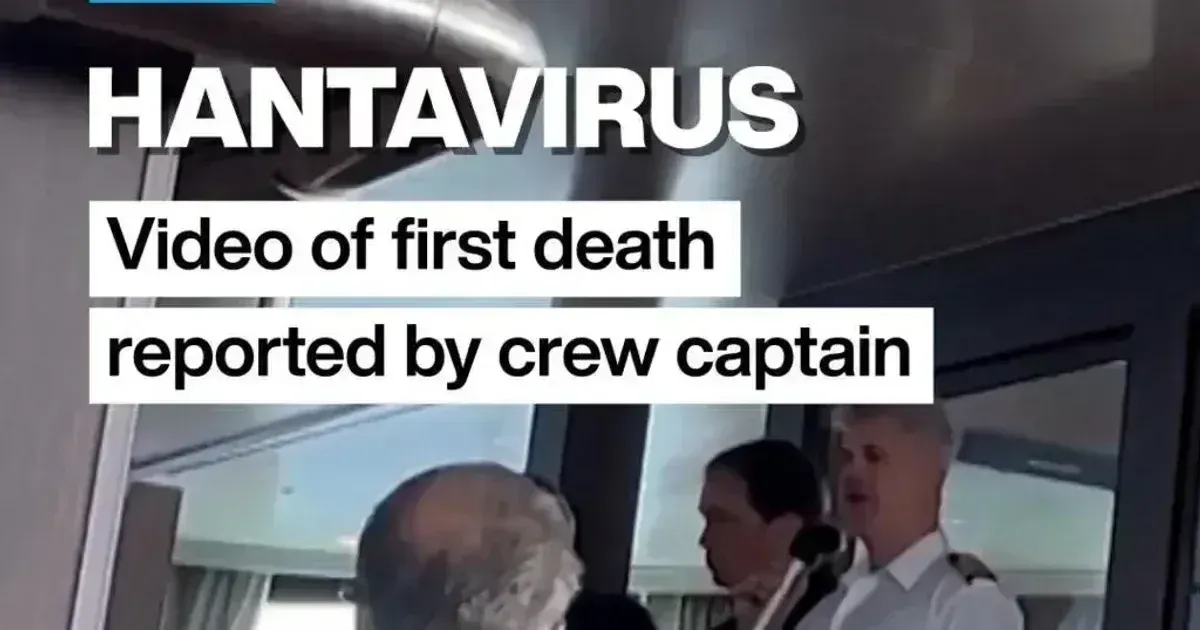
California health officials identified another state resident as potentially exposed to Andes hantavirus after travel connected to the Dutch cruise ship MV Hondius. The notice brought the state's monitored group to five Californians tied to the vessel. The update, released on May 14, 2026, did not report any California case of hantavirus disease or any symptoms among the people being monitored. Three deaths have been linked to the wider shipboard outbreak, making the cluster a rare and closely watched event for maritime public health officials.
Public health investigators are treating the MV Hondius as the center of the international exposure investigation, but California officials have framed the state's role as monitoring rather than treating confirmed patients. While typical cruise ship illnesses involve norovirus or respiratory infections, Andes hantavirus is a far more dangerous pathogen associated with infected rodents and, in limited circumstances, close contact with symptomatic patients. State and county teams are asking exposed travelers to limit interactions, watch for symptoms and stay in contact with health officials during the incubation window.
California Health Department Tracks Exposure Count
State epidemiologists are working with local counties and federal partners to monitor travelers who were aboard or otherwise linked to the ship. Exposure to hantavirus can occur through contact with infected rodents or their waste, which can become airborne in enclosed spaces. Because symptoms can take weeks to appear, medical teams are watching contacts even when they feel well. California officials have stressed that the risk to the general public remains low while monitored residents remain asymptomatic.
Health officials are now searching for any remaining passengers who have yet to report their current medical status.
The fifth Californian was identified through contact tracing rather than a new confirmed illness. Officials said all five Californians under monitoring had no symptoms at the time of the update, and the state had no reported Andes hantavirus disease cases among California or US residents. That distinction matters because exposure alone does not mean infection. The public health response is focused on early symptom detection, rapid isolation if illness develops and clear instructions for health care providers who may evaluate returning travelers.
Modern Cruise Industry Faces Rare Rodent Vector
Maritime safety experts describe the situation on the MV Hondius as an anomaly that challenges existing sanitation standards. Most modern cruise vessels use pest-control systems to prevent the presence of rats or mice in passenger quarters. Investigators are examining whether contaminated supplies, port conditions or inaccessible ship areas could have contributed to the outbreak. The inquiry remains active, and officials have not announced a single confirmed route for how the virus moved through the vessel.
The MV Hondius outbreak has already prompted wider passenger tracing, repatriation efforts and monitoring of Americans linked to the response.
Vessel operators are facing scrutiny over maintenance schedules, pest-control records and cleaning procedures. Dutch and international authorities have been involved because the ship carried passengers from multiple countries and traveled through remote regions before the outbreak was recognized. Polar expedition ships often operate in environments where medical evacuation is difficult and public health coordination can span several jurisdictions. That geography makes accurate case classification and contact tracing especially important.
Never before has a modern expedition cruise outbreak of this kind required such broad cross-border monitoring.
Scientific inquiry into the MV Hondius outbreak is focusing on the practical questions that determine future prevention: where exposure occurred, how long the risk persisted and which passengers had the closest contact with possible sources. Andes hantavirus requires a different response from common shipboard viruses because it is not managed primarily through routine respiratory screening at boarding. Health agencies are instead emphasizing symptom monitoring, rodent-control review and careful handling of any areas where contaminated dust could be present.
Authorities can keep a vessel under review while specialized cleaning and environmental checks are completed. Future voyages for the MV Hondius and similar expedition vessels may face closer scrutiny until investigators clarify the source of the outbreak. Maritime insurers and operators are also likely to review whether current health safety clauses adequately cover rare zoonotic events. For travelers, the practical guidance remains narrower: follow health department instructions, report symptoms quickly and avoid assuming that exposure is the same as confirmed disease.
The Outbreak Tests Cruise Safeguards Against Rare Zoonotic Threats
Evidence from the MV Hondius incident suggests that the cruise industry's current medical planning may need more attention to rare zoonotic threats. Most boarding procedures focus on common communicable diseases like influenza or COVID-19, which spread person-to-person. Andes hantavirus requires a different defensive strategy that prioritizes rodent exclusion, environmental cleaning and post-voyage monitoring when passengers may have shared an exposure setting. The outbreak is a catalyst for a broader re-evaluation of how expedition vessels interface with remote ecosystems.
If regulators move to mandate stricter pest-control audits for vessels entering US waters, operational costs for the cruise sector could rise. The financial impact could be most severe for smaller expedition fleets that lack the centralized logistics of major cruise lines. Travelers may also face clearer health disclosures or post-voyage check-ins following trips to high-risk areas. The next phase depends on whether investigators identify a narrow ship-specific failure or a broader warning for polar tourism.