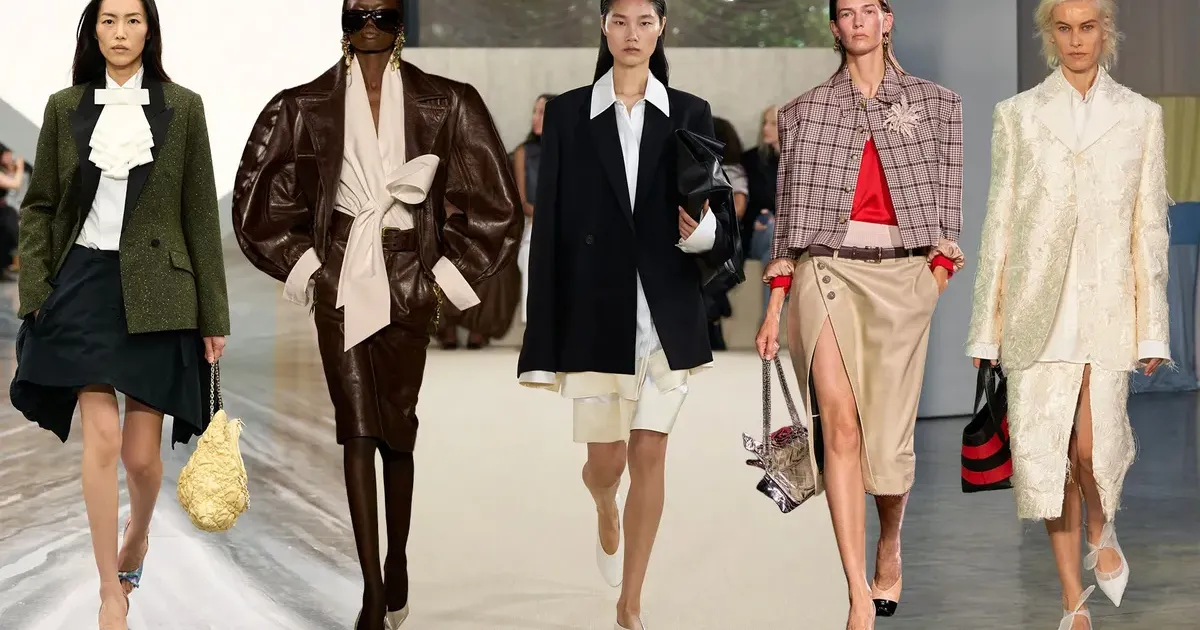
Chanel and Dior designers redefined modern elegance on April 3, 2026, by reintroducing the skirt suit as the centerpiece of their spring collections in Paris. Historical records indicate that the silhouette first gained traction in the 1920s when Gabrielle Chanel sought to liberate women from the restrictive corsetry of the Edwardian era. Paris runways today showcased a return to these foundational principles while integrating technological textile advancements. Retailers reported a 22 percent increase in pre-orders for matching sets compared to the previous fiscal year. Luxury consumers have shifted their focus toward structured garments that project authority and formality. Creative directors emphasized structured shoulders and mid-length hems.

Fashion critics observed a departure from the oversized streetwear aesthetics that dominated the early 2020s. Contemporary iterations of the skirt suit use lighter internal canvases and breathable silk-wool blends to accommodate warmer spring climates. Industry analysts at LVMH noted that the return to tailoring correlates with a broader cultural movement toward professional aesthetics in post-remote work environments. Modern iterations often feature cropped jackets and high-waisted skirts to create a more elongated vertical line. The 1947 collection sold out in major US department stores within weeks.

Chanel Tailoring Evolves for a New Generation

Chanel continues to anchor its spring identity in the classic tweed four-pocket jacket and matching A-line skirt. Craftsmen in the house ateliers reported using over 40 different types of thread to create the complex texture of the 2026 bouclé. Earlier collections experimented with neon hues, but the current season prioritizes muted pastels and monochromatic navy. Young professionals are increasingly viewing these sets as investment pieces with high resale value on secondary markets. Statistics from luxury consignment platforms show that the Chanel skirt suit retains 85 percent of its original retail price after three years. Designers have removed the heavy leads weights previously used to balance the hemline.

Textile mills in northern France provided the specific wool-crepe fabrics that allow for a fluid drape without sacrificing the structural integrity of the garment. Since the beginning of the year, demand for custom tailoring services has surged among consumers under the age of 30. This shift suggests a rejection of the disposable fashion cycle in favor of items that offer longevity and historical resonance. Boutiques in New York and London have dedicated additional floor space to the category to meet the anticipated spring rush. Sales representatives at flagship locations noted that customers are pairing the suits with flat slingbacks to maintain a modern edge. Tailors currently require six weeks for bespoke alterations on the new jacket styles.

Dior Archival Influences Shape Spring Silhouettes

Christian Dior creative teams looked to the 1950s archives to revitalize the iconic Bar jacket for the spring 2026 season. Padded hips and a nipped waist characterize the silhouette, which Dior originally engineered to celebrate femininity after the austerity of the second world war. Current versions replace traditional horsehair padding with recycled 3D-printed structures that provide the same volume with half the weight. Retail performance in the Asian market has been particularly strong, with flagship stores in Tokyo and Seoul reporting record sell-through rates for the navy wool-silk sets.

Production schedules were accelerated to accommodate the unexpected volume of orders from luxury department stores. Pattern cutters spent over 150 hours refining the curve of the lapel for the lead runway look.

"From Chanel to Dior and beyond, the skirt suit returns for spring 2026," a reporter for Vogue noted during the Paris previews.

Materials sourced from sustainable Italian spinning mills include 70 percent of the new Dior collection. Executives at the house believe that the emphasis on heritage craftsmanship appeals to a demographic concerned with the environmental impact of synthetic fibers. Precise top-stitching and hand-finished buttonholes serve as markers of the high price point, which starts at $4,500 for a basic two-piece set. Global logistics data shows that shipments of luxury tailoring to the Middle East increased by 14 percent in the first-quarter of the year. Fabric specialists developed a new wrinkle-resistant gabardine specifically for the frequent traveler. The house maintains a strict limit on the number of units produced per colorway to ensure exclusivity.

Market Data Reflects Growing Demand for Professional Sets

Financial reports from the luxury sector indicate that the global market for women's tailoring reached $14.2 billion in early 2026. While casual wear sales have plateaued, the formal category grew steadily throughout the winter months. Consumer surveys reveal that the primary motivation for purchasing a skirt suit is the desire for a cohesive, easily styled outfit that transitions from day to evening. Major retailers like Neiman Marcus and Selfridges expanded their buying budgets for the category by 30 percent. Analysts expect the trend to persist through the autumn season as more brands adopt the structured look.

Production costs for high-end tailoring rose by 8 percent due to the scarcity of skilled seamstresses in European hubs. Small-scale manufacturers in Portugal and Italy have reported full order books through the end of the year.

Corporate dressing codes are evolving to include softer, more varied interpretations of the traditional suit. Neutral tones like sand, slate, and ivory dominate the best-selling lists according to real-time inventory tracking. Despite the high entry price, younger consumers are opting for credit-based payment plans to secure these wardrobe staples. Independent boutiques have noted a rise in the popularity of the mini-skirt suit, which offers a more youthful alternative to the midi-length versions seen at Dior. Marketing campaigns have pivoted to highlight the versatility of the pieces when worn separately. Local dry cleaners in affluent neighborhoods reported a 40 percent rise in the handling of delicate wool and silk garments.

Technical Construction and Modern Fabric Innovations

Innovation in the internal architecture of the jacket has allowed for a narrower sleeve without restricting movement. Stretch-silk linings provide a layer of comfort that was absent in original mid-century designs. Laser-cutting technology ensures that every panel of the skirt is identical to the millimeter, reducing fabric waste during the manufacturing process. Most premium brands are now incorporating digital IDs into the care labels to provide customers with a complete history of the garment's origin. This precision defines the high-end manufacturing standards of 2026.

Specialized looms in Biella, Italy, are currently running 24 hours a day to produce the necessary yardage for the summer production run. Export data from the region confirms that the United States is the largest importer of these technical wool blends.

Designers are also experimenting with vegan alternatives to traditional silk and leather trims. Laboratory-grown materials featured prominently in several experimental collections during the recent fashion cycle. Customers in the European Union have shown a strong preference for garments that carry a low carbon footprint certification. Quality control teams at major fashion houses have implemented new stress tests for the seams of high-waisted skirts. These tests simulate five years of regular wear to ensure the longevity of the product. The average weight of a complete spring suit has decreased by 300 grams since 2020. Shipping logs indicate that 60 percent of the spring inventory arrived at retail locations by the end of March.

The Elite Tribune Strategic Analysis

Predicting a return to formality ignores the deep cultural fatigue with casual attire. The resurgence of the skirt suit is not a simple fashion cycle but a strategic reclamation of visible social hierarchy in an increasingly digitized and formless world. As professional boundaries dissolved into the domestic sphere, the wealthy sought out garments that could not be easily replicated by mass-market loungewear brands. The skirt suit is a sartorial gatekeeper, requiring both the financial means to purchase it and the specific physical environment to justify its wear. It is an unapologetic embrace of the performative nature of power.

Reliance on archival designs from Chanel and Dior highlights a creative deficit within the luxury industry. Rather than inventing a new visual language for the mid-2020s, brands are retreating into the safety of the 1940s and 1950s. This nostalgia is a profitable defensive crouch. It offers consumers a sense of stability through familiar silhouettes while avoiding the risk of genuine innovation. The industry is betting that the modern woman wants the armor of her grandmother, perhaps because the current economic landscape feels as volatile as the post-war era that birthed the original designs. Genuine progress remains elusive. Structure is the new subversion.