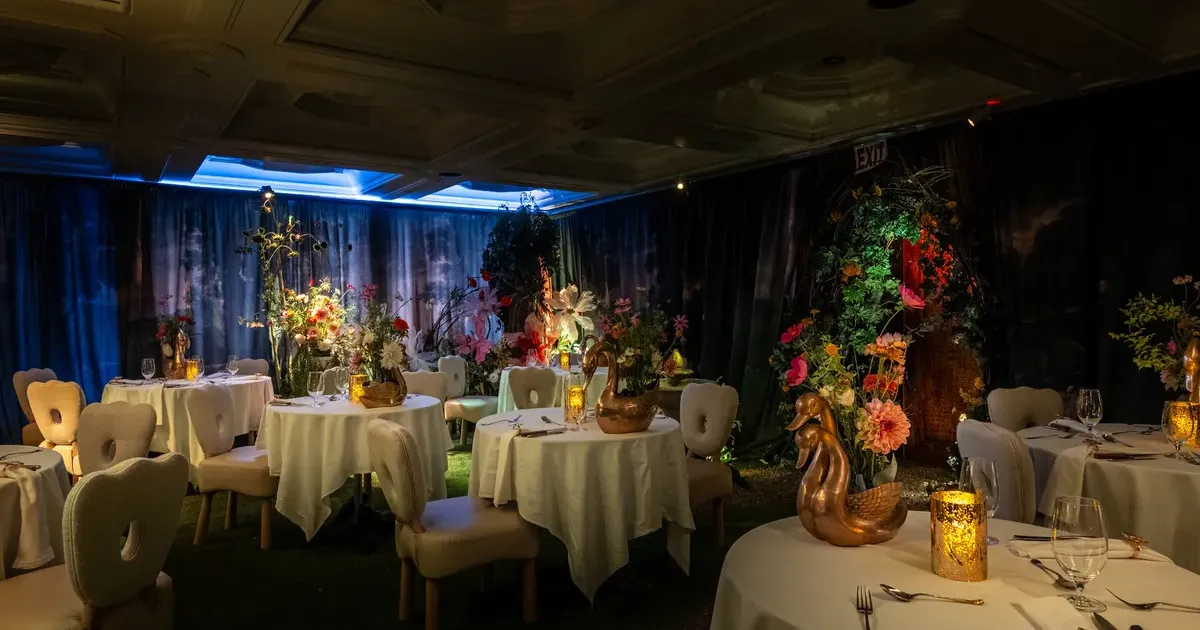
Alinea's limited Las Vegas residency shows how elite fine dining is moving closer to the touring model of luxury entertainment. The Chicago restaurant, led by Grant Achatz, brought its 20th anniversary tour to Bellagio for a spring 2026 run, using a resort stage instead of a permanent new dining room.
That model is becoming more attractive because it sells scarcity without forcing chefs or investors to carry the full risk of another flagship restaurant. A famous name arrives, reservations tighten, prices hold, and the room disappears before diners can treat it as routine.
Alinea Makes the Case
Alinea's anniversary tour was not a simple pop-up. It followed a broader run through cities including Brooklyn, Miami Beach, Beverly Hills, Tokyo and Big Sky before landing at Bellagio from April 16 to May 31. The point was not merely to repeat the Chicago restaurant somewhere else. The pitch was a version of Alinea adapted to each host city.
Las Vegas was a natural stop because the Strip already treats restaurants as part of the entertainment economy. A dinner there competes with concerts, residencies, sports weekends and luxury shopping. Alinea's theatrical style fits that environment better than many traditional fine-dining concepts would.
The residency also arrived as Las Vegas prepared for Michelin's return through a new American Southwest guide. That timing matters. High-end restaurants in the city are no longer only casino amenities. They are part of the city's claim to culinary seriousness, and a visiting restaurant with Alinea's reputation helps sharpen that claim.
Hotels Buy Attention Without a Permanent Bet
For resorts, chef residencies solve a practical problem. Building a permanent fine-dining restaurant is expensive, slow and risky. A short run uses existing infrastructure, hotel marketing and a guest pipeline that already includes affluent travelers. The visiting chef brings prestige and urgency; the host property turns that urgency into room nights, bar sales and brand heat.
That is why residencies are not just culinary stunts. They are hospitality economics. A resort can refresh its dining story for weeks or months without committing to years of payroll, lease assumptions and menu fatigue. The chef can test a city, a format or a partnership without gambling the whole brand on one address.
The diner is buying more than food. The diner is buying the claim that this exact menu, in this exact room, during this exact window, will not be available forever. Scarcity is the product as much as the tasting menu.
The Model Has a Weakness
Residencies can also flatten fine dining if they become only luxury content. Restaurants build meaning through repetition: regulars, staff memory, neighborhood identity and the slow correction of mistakes over time. A temporary run can be brilliant, but it struggles to create roots.
Execution is the other risk. A famous chef can sell the first wave of reservations, but service has to justify the price. Temporary teams must learn timing, plating, pacing and guest language quickly. A permanent restaurant can recover from a weak week. A short residency has less room to miss because every dinner carries the weight of scarcity.
The best versions adapt to place. They use local ingredients, local mood and the host property's personality. The weakest versions import a name, raise the price and call the result an event. Diners can tell the difference, especially at the top of the market.
Luxury Dining Verdict
Chef residencies are smart because they match how luxury consumers now buy experiences: briefly, visibly and with a fear of missing out. They reduce permanent restaurant risk while giving hotels a clean marketing hook.
But the model has to prove it is more than a product drop with better silverware. Fine dining is not only a reservation window. It is craft, memory and trust. If residencies preserve that, they can expand what elite restaurants do. If they only sell disappearance, the meal becomes another expensive cameo.