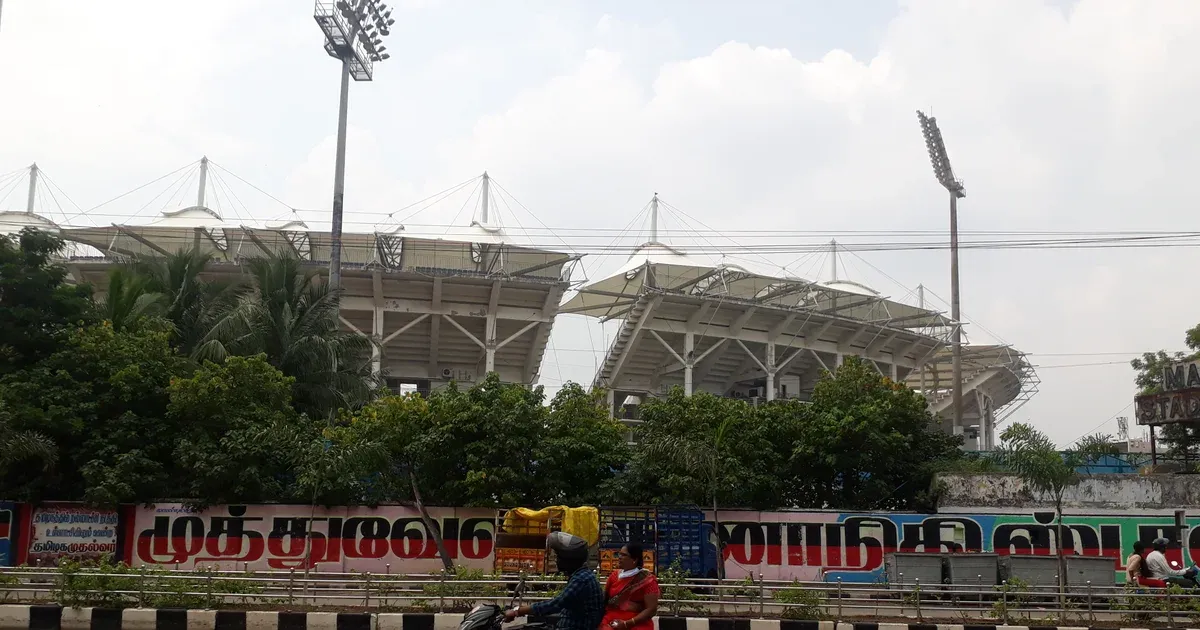
The fixture marks a tense juncture for the Chennai Super Kings as they prepare to battle the Delhi Capitals at the M.A. Chidambaram Stadium. On April 11, 2026, ground staff at the iconic venue reported early Saturday that dense cloud cover has begun to settle over the coastal city. Meteorological data suggests that light rain might disrupt the standard rhythm of play, potentially forcing a significant tactical shift for both captains before the first ball is even bowled. Every spectator in the 38,000-seat arena expects a response from the home side after a string of poor results that have deflated local optimism.
Atmospheric humidity levels in Chennai have climbed to 78 percent according to local weather sensors. Such moisture often leads to a heavy dew factor during night matches, but the forecasted precipitation complicates the decision-making process at the toss. Captains typically prefer to chase at Chepauk to take advantage of the wet ball in the second innings, yet a rain-shortened game might favor the team batting first under the Duckworth-Lewis-Stern method if overs are cut late. Forecasts indicate that the skies will remain grey throughout the evening, creating a somber atmosphere for this high-stakes encounter.
Chennai Super Kings Confront Three-Match Losing Streak
Ruturaj Gaikwad leads a squad that has struggled to find consistency during its recent travels. Three successive losses have exposed vulnerabilities in the middle order and a lack of penetration in the death overs. Management sources indicate that the coaching staff held an extended technical session on Friday to address the falling strike rates of the top four batsmen. Failure to secure two points in this home fixture would leave the franchise dangerously close to the bottom of the IPL 2026 standings. Pressure is mounting on the veteran components of the team to stabilize the innings.
Bowling concerns center on the inability to take wickets during the middle-over phase. Spinners who usually thrive on the abrasive Chepauk surface have found themselves neutralized by aggressive footwork from opposing international stars. Matheesha Pathirana remains a focal point for the defensive strategy, though his workload management has become a topic of internal debate. Analysts note that the team lacks a secondary wicket-taking option when the ball stops swinging after the first three overs. A return to home turf provides a psychological advantage that the players desperately need to exploit.
Delhi Capitals Navigate Recovery After One-Run Defeat
Rishabh Pant brings his squad to Tamil Nadu while still dealing with the psychological weight of a narrow defeat. Delhi Capitals suffered a heartbreaking one-run loss against Gujarat in their previous outing, a result that stunted their momentum in the mid-season race. That game highlighted a failure in late-game execution, where a single mishit on the final ball decided the outcome. Pant must now recalibrate his batting order to ensure that power hitters are not left with too much to do in the closing stages.
Recuperation from such a razor-thin loss requires mental fortitude that has occasionally eluded the Capitals in past seasons. Their bowling unit, led by Anrich Nortje, showed flashes of brilliance but ultimately could not defend a competitive total under pressure. Delhi currently occupies a middle-table position, making this match a critical opportunity to distance themselves from the lower-ranked teams. Success at Chepauk has historically been difficult for visiting sides, yet the current instability of the hosts offers a rare opening for an away victory.
Rainfall totals are expected to be light, but even a thirty-minute delay can radically change the pitch behavior. Moisture trapped under the covers often quickens the surface, providing unexpected bounce for the seamers during the powerplay. If the rain persists, the spin-friendly reputation of the Chidambaram Stadium may be temporarily suspended in favor of a more pace-centric game. Curators have spent the last 48 hours monitoring the water tables beneath the square to ensure the drainage system is fully operational. A soggy outfield would also hamper the fielding efforts, increasing the risk of injuries and unforced errors.
Humidity levels also impact the longevity of the players in a high-intensity T20 format. Chennai heat, even when masked by cloud cover, exerts a physical toll that often leads to cramping in the later stages of the match. Physiotherapists for both franchises have prioritized hydration protocols throughout the week. If the rain stays away but the humidity stays high, the ball will become difficult to grip for the finger spinners. This environmental variable often dictates the outcome more than the raw talent of the players involved.
Selection dilemmas plague the Chennai camp as they look to break their losing cycle. Rachin Ravindra might see a change in his role if the management decides to strengthen the bowling department with an extra all-rounder. Stability at the top of the order is paramount, yet the temptation to experiment with a more aggressive pinch-hitter is growing. The team must balance the need for experience with the necessity of fresh energy in the field. Local fans are calling for a more leading role for the younger domestic talents who understand the details of the local conditions.
Delhi likely sticks to a similar core despite their recent loss. David Warner and Mitchell Marsh provide the explosive start that the team relies on to set a high tempo. $10 billion in broadcasting rights value places immense pressure on the league to ensure matches are completed regardless of weather interruptions. Because of this, both teams are preparing for a potential five-over shootout if the rain delays the start sharply. Tactical flexibility is the primary requirement for a night where the elements may prove more decisive than the athletes themselves.
Scheduling high-stakes fixtures in coastal Chennai during peak humidity cycles exposes the fragility of the IPL's commercial reliance on clear skies. While the league continues to market itself as a global powerhouse, the lack of infrastructure, specifically retractable roofing or advanced moisture-control systems at primary venues, feels like a relic of a previous era. The BCCI continues to gamble on the monsoon season while billions of dollars in advertising revenue hang in the balance of a single rain cloud. The decision reflects a rigid adherence to a calendar that prioritizes volume over climatic logic.