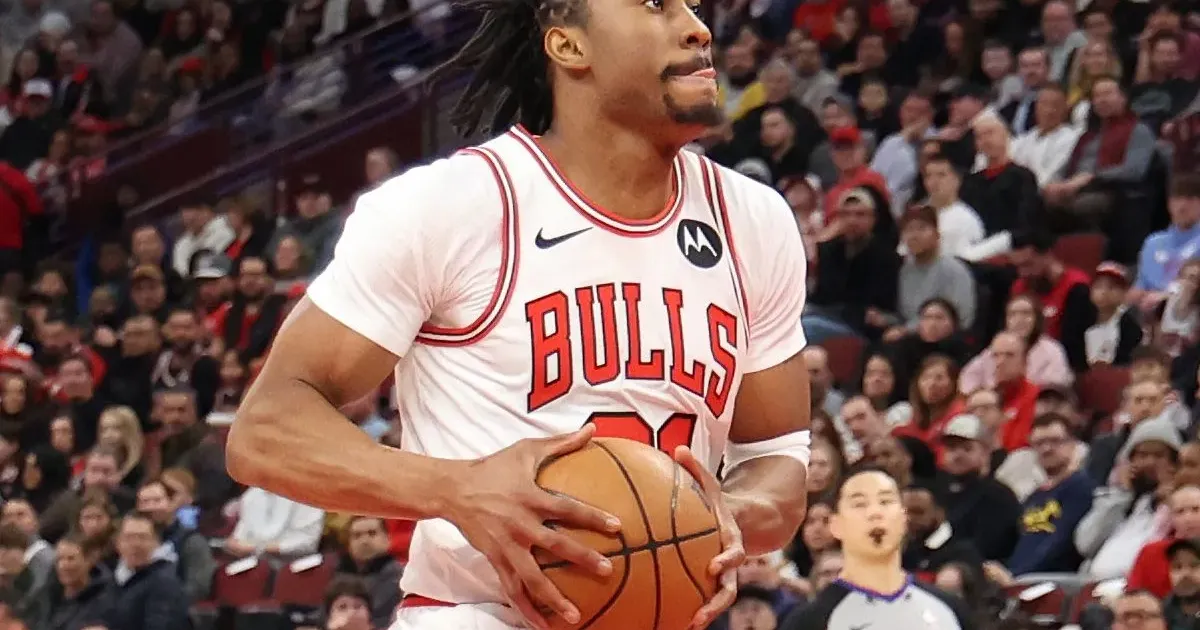
The Chicago Bulls waiving Jaden Ivey was a conduct decision, but it was also a roster-value decision. The team released the guard for conduct detrimental to the team after anti-LGBTQ social media comments, including criticism of the NBA's Pride Month support. The move ended a Bulls stint that had barely started.
Ivey had arrived from Detroit only weeks earlier, played four games for Chicago and was already ruled out for the rest of the season with a left knee injury. The roster context matters. The Bulls were not cutting a healthy franchise centerpiece. They were deciding whether an injured guard headed toward an uncertain future was worth the public, locker-room and workplace damage created by the videos.
The Comments Became A Workplace Issue
NBA teams do not require every player to share the same politics, faith or personal beliefs. They do require players to avoid conduct that damages the organization, the locker room and the league's public commitments. Ivey's remarks crossed that line for Chicago because they targeted LGBTQ inclusion in a league that has made Pride messaging part of its public identity.
The distinction matters. The issue was not that Ivey expressed religious belief. The issue was that his public comments cast a visible group of fans, employees and league partners as the problem. Once the videos circulated, the Bulls had to decide whether keeping him would make the franchise appear tolerant of that message.
Social Media Shortened The Discipline Clock
A player no longer needs a press conference to create a team crisis. A livestream or phone video can move through fan accounts, reporters, sponsors and locker rooms within hours. By the time executives meet, the story may already be bigger than the player.
The speed changes discipline. Teams now judge not only the words themselves, but how quickly the controversy can damage trust inside the building. If teammates, staff or community partners believe the organization is slow to respond, silence becomes its own statement.
Ivey's Talent Did Not Protect Him
Ivey's basketball profile still matters. He was the No. 5 pick in the 2022 NBA Draft, and his first-step speed once made him a major part of Detroit's rebuild. But injuries and uneven development had already weakened that leverage before the Bulls acquired him.
The uncomfortable part of the case. Stars often survive controversies that marginal or injured players do not. The Bulls' decision can be defended as an inclusion standard, but it also reflects the economics of professional sports. A team is more likely to absorb turbulence for a player it cannot easily replace. Ivey, at that moment, did not have that protection.
Future Teams Will Weigh More Than Health
Ivey may still receive another chance if medical reports are encouraging and a team believes his speed can return. Guards with lottery pedigree rarely disappear without another evaluation. But the next front office will not be looking only at the knee.
It will ask whether he can keep his public platform from becoming a franchise problem. It will consider locker-room fit, sponsor risk, staff trust and whether the controversy would restart the moment he signs. Those questions do not erase the basketball upside, but they change the cost of betting on it.
The NBA Has A Speech Line To Defend
The league's broader challenge is consistency. Players have personal beliefs, and teams cannot credibly demand that every athlete sound identical. At the same time, employers can act when public speech attacks inclusion commitments or undermines a workplace.
The line is easy to state and hard to enforce evenly. Critics will argue that the NBA punishes certain viewpoints faster than others. Supporters will argue that anti-LGBTQ comments are not just viewpoint differences when they affect fans, colleagues and employees who are part of the league community. The Ivey case sits directly inside that tension.
The Lesson Is About Power
Ivey's release was not only punishment for one viral rant. It was a reminder of how professional sports employment works now. Talent buys patience, but not unlimited patience. Inclusion statements create expectations, but their enforcement often depends on the player's value.
For Ivey, the path back depends on more than rehab. He has to convince a team that his basketball upside is still real and that signing him will not reopen the same organizational conflict. In the modern NBA, public conduct is no longer separate from roster construction. It is part of the evaluation.