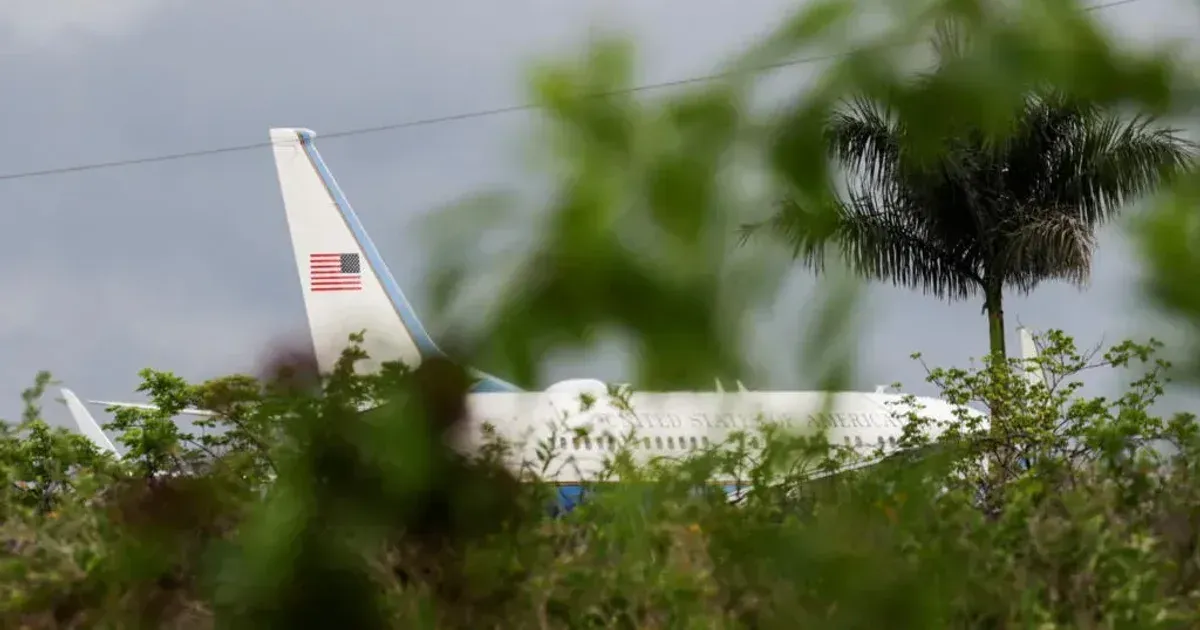
CIA Director John Ratcliffe arrived in Havana to initiate high-level discussions with Cuban leadership regarding regional security and intelligence cooperation. The visit put an unusually public intelligence channel at the center of Caribbean diplomacy. It also comes as Cuba’s energy crisis raises migration and regional-security concerns for Washington. That combination makes the talks broader than a routine diplomatic contact. Conversations held on May 14, 2026, aimed to restore political dialogue between the two nations after months of heightened tension. Cuban officials described the meeting as happening within a complex bilateral context, emphasizing a desire for stable engagement.
Havana confirmed the conclusion of these talks late Thursday night, while U.S. officials offered only limited public detail about the itinerary.
Agency leadership did not immediately offer public comments on the visit or its specific outcomes. Silence from Washington persists through Friday morning as observers analyze the potential for a shift in Caribbean policy. Records from the Central Intelligence Agency typically hide such high-stakes travel, but the Cuban government chose to publicize the encounter to highlight its commitment to political dialogue. Economic instability and security threats were reportedly the primary drivers of the agenda.
National Energy Collapse and Fuel Blockades
Cuba faces a systemic energy collapse that has crippled infrastructure and daily commerce across the island. Economic pressures reached a breaking point following a fuel blockade initiated in January 2026, which severely restricted the flow of oil and gas. Because of these sanctions, the national energy grid suffered an enormous power failure that left millions of residents without electricity or reliable services. Maintenance efforts have stalled due to the lack of imported parts and refined fuel.
Energy shortages have created a humanitarian and security dilemma for the region. Power failures of this magnitude often trigger mass migration events, which the U.S. government views as a domestic security risk. By contrast, Havana maintains that the fuel blockade is the direct cause of the current volatility and has urged the removal of sanctions to stabilize the grid. Oil deliveries remain below the minimum threshold required to power the island's primary thermal plants.
National grid operators continue to report rolling blackouts across every province.
Strategic Intelligence and Security Negotiations
Security cooperation became a second pillar of the talks between Ratcliffe and his Cuban counterparts. Specifics regarding intelligence sharing were not disclosed, though experts suggest the focus likely includes maritime surveillance and counter-narcotics operations. Both countries have a mutual interest in preventing the Caribbean from becoming a corridor for illicit trafficking during periods of local instability. Cooperation on these fronts has historically survived even the most frigid diplomatic winters.
Intelligence officials also discussed economic stability as a requirement for regional safety. When the Cuban economy falters, security networks often weaken, allowing non-state actors to gain influence in the island's ports. While John Ratcliffe has not verified any agreements, the mere presence of a director-level official in Havana indicates the seriousness of the current crisis. Diplomatic channels between the two capitals are now more active than they have been in years.
Political dialogue remains the stated goal for Havana as it seeks relief from economic pressure. Success in these negotiations could lead to a loosening of the January blockade, though no formal policy changes have been announced by the State Department. Officials in Havana confirmed that the dialogue was professional and productive.
The Associated Press reported that Ratcliffe also met Raul Guillermo Rodriguez Castro, a senior military figure and grandson of former Cuban leader Raul Castro. That detail made the visit more politically sensitive because it placed an American intelligence chief inside a conversation with a member of Cuba's revolutionary family network.
The United States is prepared to seriously engage on economic and security issues, a CIA official said.
Public Intelligence Talks Raise the Cost of Continued Pressure
Rarely does a CIA director's itinerary become public knowledge through the very government the agency typically monitors. The decision by Havana to broadcast Ratcliffe's visit suggests a calculated attempt to pressure Washington into acknowledging the humanitarian costs of the fuel blockade. By framing the visit as a search for "political dialogue," Cuba is signaling to the international community that it is a willing partner for stability, provided the economic strangulation ceases. This transparency serves a dual purpose: it legitimizes the current regime as a security interlocutor while highlighting the fragility of U.S. sanctions policy.
Washington now faces a difficult choice between maintaining its maximum pressure campaign or providing the relief necessary to prevent a total state collapse only 90 miles from Florida. If the energy crisis leads to a large refugee surge, the political costs in the United States will quickly outweigh the ideological benefits of the blockade. Direct intelligence engagement often precedes a quiet softening of trade restrictions. Whether this meeting leads to a formal de-escalation depends on how much U.S. officials trust Havana's security guarantees and whether Cuba can offer verifiable cooperation on migration, ports and regional trafficking risks.
The immediate outcome is narrower than a diplomatic reset. The visit gives both governments a channel for crisis management at a moment when Cuba's fuel shortages, blackouts and migration pressure could spill into U.S. domestic politics. That makes the talks important even if neither side is ready to announce a public agreement. Public acknowledgment of the trip may also be intended to show Havana that intelligence talks can continue even when formal relations remain strained.