Digital platforms have at its core altered the way home cooks organize their weekly grocery lists and kitchen workflows. Recent data from the Epicurious mobile application reveals a distinct shift in consumer preferences as the second week of March 2026 draws to a close. Users are gravitating toward a specific intersection of plant-based nutrition and revised mid-century classics, marking a departure from the high-concept culinary experimentation seen earlier in the winter season.
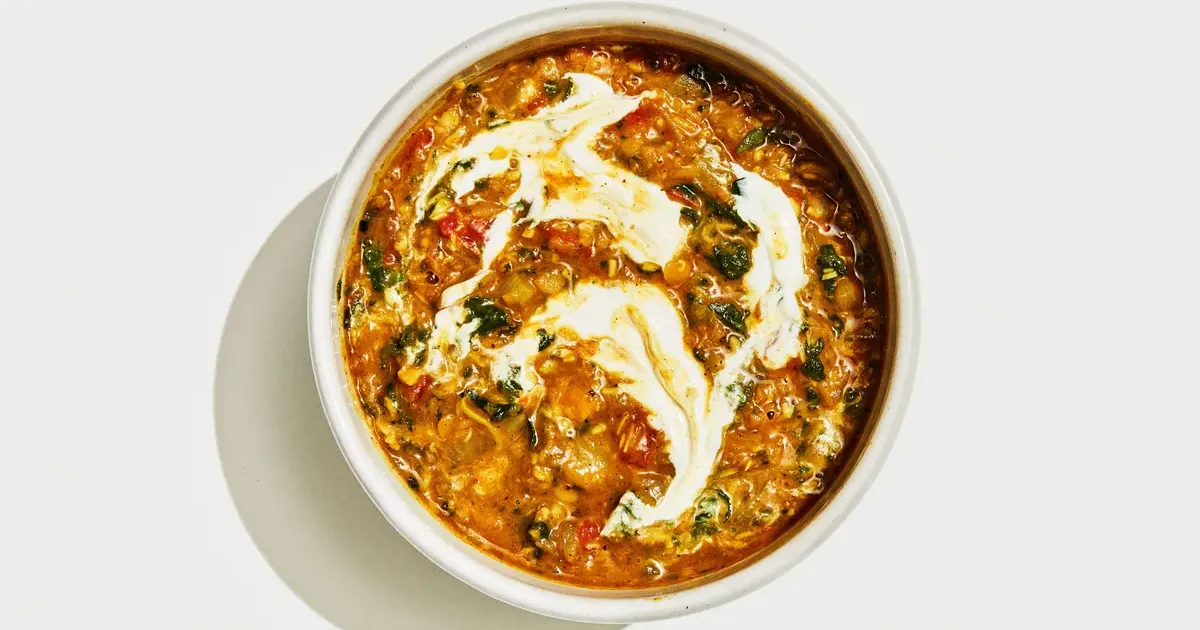
Coconut lentil soup emerged as the primary driver of engagement this week, securing the highest number of individual saves within the app interface. This specific dish appeals to a demographic more and more concerned with the rising costs of animal proteins while seeking the satiety traditionally associated with dairy-heavy stews. By utilizing coconut milk as a lipid base, the recipe achieves a creamy consistency that mimics heavy cream without the inflammatory profile often attributed to bovine milk products.
Lentils are the anchor. These legumes provide a high-fiber, high-protein foundation that remains one of the most cost-effective ingredients in the modern grocery aisle. Current market analysis suggests that a single serving of this soup costs approximately $1.45 to prepare at home, a figure that resonates with households managing the inflationary pressures of the mid-2020s. The recipe combines turmeric, cumin, and ginger, ingredients that have seen a 12% increase in consumer search volume over the last eighteen months.
“Digital recipe saving has transformed from a mere bookmarking exercise into a sophisticated form of aspirational consumption,” notes a lead analyst at Global Food Insights.
Chicken stroganoff follows closely behind in the rankings, illustrating a curious evolution of the classic Russian Smirnov-era beef dish. While the traditional version relies on expensive cuts of tenderloin or ribeye, the Epicurious version focuses on chicken thighs. Thighs offer a higher fat content than breasts, ensuring the meat remains tender during the rapid searing and simmering process required for a weeknight meal.
Digital Behavior and Epicurious App Engagement
Data scientists at Condé Nast, the parent company of the recipe platform, have noted that user saves often peak on Sunday evenings. This behavior aligns with the "meal prepping" culture that has dominated social media discourse for nearly a decade. Users save recipes not merely for immediate consumption but as part of a curated digital library intended to reduce decision fatigue during the work week.
App metrics show that the coconut lentil soup is most frequently saved by users in the 25-to-40 age bracket. This group often prioritizes recipes that are "one-pot" or require fewer than thirty minutes of active labor. Efficiency has become the primary currency in the digital kitchen. Still, the complexity of the flavor profile in this soup suggests that users are unwilling to sacrifice taste for the sake of speed.
Engagement with the stroganoff recipe shows a different geographic distribution. Saves for this dish are concentrated in the Midwestern United States and parts of the United Kingdom, regions where transitional spring weather often remains cool enough to justify heavier, mushroom-based sauces. The inclusion of Dijon mustard and sour cream in the ingredient list provides a sharp acidity that balances the richness of the poultry fat.
App usage is a predictive tool.
Researchers find that a save in the first week of the month frequently correlates with a purchase of the primary ingredients at major retailers like Whole Foods or Tesco within 72 hours. It creates a feedback loop where digital popularity influences physical supply chains. If 65,000 people save a lentil recipe simultaneously, grocery store algorithms may adjust local inventory to prevent stockouts of dry legumes.
Nutritional Profile of Coconut Lentil Soup
Lentils contain high concentrations of molybdenum and folate, making them a powerhouse for cellular health. When paired with coconut milk, the bioavailability of certain fat-soluble vitamins in the accompanying vegetables, such as carrots or spinach, is sharply enhanced. Home cooks are becoming more literate in these nutritional interactions, often citing health benefits in the comment sections of the app.
Fat remains a controversial topic in culinary circles. Yet, the medium-chain triglycerides found in coconut products are marketed as a cleaner energy source compared to the long-chain fats in butter or lard. The perception drives the popularity of the soup among the "wellness" community. Users often tag the recipe with keywords like "anti-inflammatory" and "gut-friendly," regardless of whether these claims are clinically verified for that specific preparation.
Spices play a secondary but essential role in the soup's dominance. Cumin and turmeric are not just flavor agents; they are staples of the modern pantry that suggest a globalized palate. The Epicurious version of this soup uses a specific ratio of red lentils to brown lentils, ensuring the final product has both a smooth puree and a textured bite. The textural contrast is a hallmark of high-performing digital recipes.
Culinary Evolution of Chicken Stroganoff
Beef was the original standard for stroganoff, a dish named after the Stroganov family in 19th-century Russia. By 2026, the cost of high-quality beef has pushed many home cooks toward poultry. Chicken thighs are the logical successor. They provide a similar richness to beef when browned correctly in a heavy skillet, especially when deglazed with a dry white wine or a high-quality chicken stock.
Mushrooms are the unsung heroes of this save-heavy recipe. Cremini or shiitake varieties add an earthy umami that bridges the gap between the lean chicken and the heavy sour cream sauce. The Epicurious recipe suggests a generous use of fresh dill at the finish, a nod to the dish's Eastern European roots that many modern shortcuts omit. The attention to herb-driven finishes often separates highly saved recipes from those that are merely scrolled past.
Preparation time for the stroganoff averages twenty-five minutes. In a world where food delivery apps compete directly with the home kitchen, twenty-five minutes is the threshold for many consumers. If a recipe takes longer than forty minutes, save rates drop by nearly 40%. The chicken stroganoff hits the sweet spot of perceived luxury and actual convenience.
Economic Factors in 2026 Recipe Selection
Consumer spending on groceries has shifted toward bulk-buy staples. Lentils, rice, and frozen chicken thighs represent the core of the modern middle-class pantry. The Epicurious app data reflects this reality. While users may browse recipes for dry-aged ribeye or complex French pastries, they hit the "save" button on dishes that utilize what is already in their cupboards.
Inflation in the poultry sector has stabilized at 3% annually, making chicken a predictable expense. By contrast, beef prices have remained volatile due to environmental regulations and feed costs. Home cooks are pragmatists. They choose the stroganoff because it feels like a treat without the financial hangover of a steak dinner.
Digital recipe collections are the new savings accounts. Each save represents an intention to cook, a desire to save money, and a commitment to a specific lifestyle. As March 2026 continues, the dominance of these two recipes suggests a public that is looking for warmth, reliability, and nutritional density. The app data does not lie about what the people want to eat.
The Elite Tribune Perspective
Could the modern home cook be losing the ability to function without a glowing screen as a tether? The obsession with "saving" recipes on platforms like Epicurious reveals a paradox of the digital age where the act of curation has replaced the act of creation. We are becoming a society of digital hoarders, collecting thousands of instructions for meals we will likely never prepare, simply to soothe the anxiety of our own domestic incompetence.
The week’s surge in saves for coconut lentil soup and chicken stroganoff is less about a sudden passion for legumes and more about a desperate search for the familiar in an more and more expensive world. By retreating into the safety of 19th-century Russian comfort food and sterilized, plant-based bowls, the public is telegraphing a profound fatigue. The algorithm is not discovering new tastes; it is merely echoing our collective retreat from the ambitious and the unknown.
If these are the most-saved recipes, it suggests a culinary field that is playing it strikingly safe, trading the thrill of the new for the predictable comfort of the predictable. what is unfolding is the death of the intuitive cook and the birth of the data-driven kitchen drone.