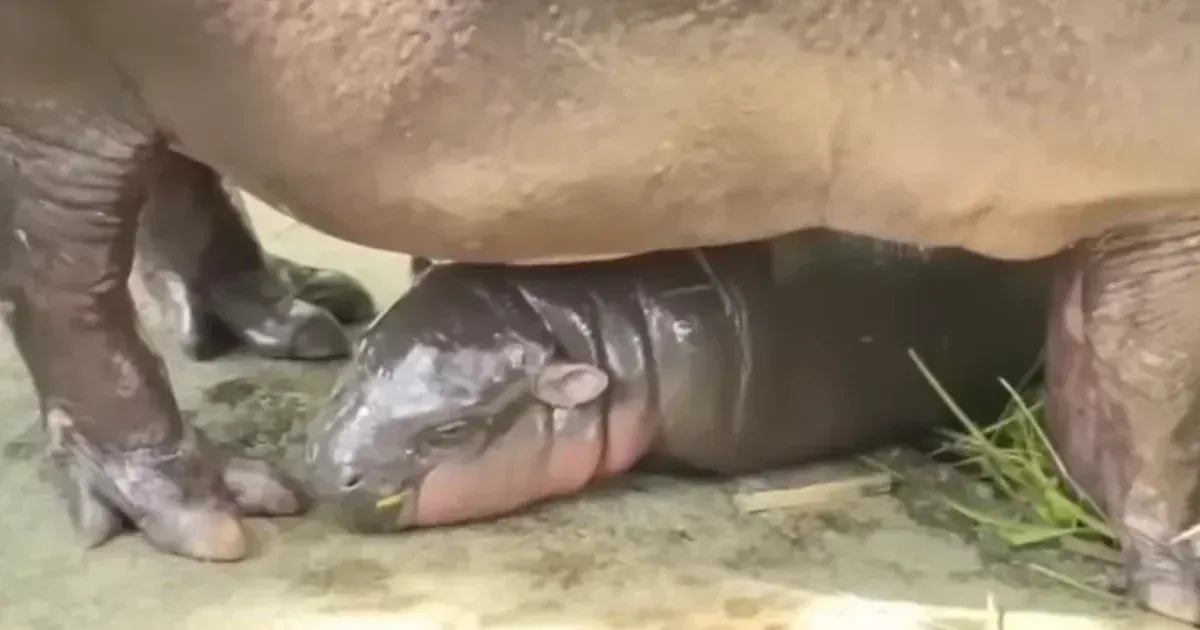
Colombia is moving from containment to culling in its long fight over Pablo Escobar's feral hippos. Environment Minister Irene Vélez authorized the killing of up to 80 invasive animals on April 13, 2026, arguing that the expanding herd threatens the Magdalena River ecosystem and nearby communities. Feral pachyderms now number over 160 individuals according to recent surveys by regional environmental agencies. Following the 1993 death of Escobar, the estate fell into disrepair and the animals wandered into the surrounding wetlands. Nature provided a perfect sanctuary without the seasonal droughts or natural predators like lions or crocodiles that naturally limit hippo populations in sub-Saharan Africa. Ecological stability in the region is now deteriorating as the huge herbivores displace native manatees, otters, and capybaras.
Magdalena River Ecosystem Risk
Scientists monitoring the river system have documented severe changes in water quality directly linked to hippo waste. Hippos are nocturnal feeders that consume vast quantities of grass on land before returning to the water to defecate. This behavior transfers enormous amounts of terrestrial nutrients into aquatic systems, fueling toxic algae blooms. High levels of nitrogen and phosphorus from the dung stimulate the growth of cyanobacteria, which deplete dissolved oxygen levels and cause serious fish die-offs. Local fishermen report that their daily catches have plummeted as the water becomes increasingly uninhabitable for native species. Heavy footprints and the sheer mass of the animals accelerate riverbank erosion. A single adult hippo can weigh up to 3,000 pounds, and their constant movement creates deep channels that alter the natural flow of smaller tributaries. One study by the Universidad Nacional de Colombia found that hippo-affected lakes contain distinct microbial communities compared to those without the invasive species. These shifts in the microscopic foundations of the food web threaten the long-term viability of the entire Magdalena ecosystem. Aquatic plants that provide nursery habitat for juvenile fish are being trampled or smothered by sediment.
Why Sterilization Failed
Sterilization programs proved to be a logistical and financial nightmare for the Colombian government. Surgical castration of a wild hippo requires darting the animal with heavy sedatives, a process full of danger for both the veterinarians and the animal. Due to their thick skin and unique anatomy, locating the reproductive organs is a complex surgical feat performed in muddy, remote environments. Reports from the Ministry of Environment indicate that each $50,000 medical procedure failed to make a dent in the overall population growth. Only a handful of animals were successfully sterilized over several years.
Relocation offers from international facilities provided a brief glimmer of hope that lethal measures could be avoided. Mexico and India both expressed interest in taking a portion of the herd, with one deal proposing the transfer of 60 animals to the Greens Zoological Rescue and Rehabilitation Centre in Gujarat. Logistics, however, stalled the process as the cost of specialized air transport for dozens of three-ton mammals exceeded available budgets. Many zoos refused to accept the animals due to the risk of introducing unknown pathogens or the sheer cost of maintaining the herd. Biological reality eventually outpaced administrative bureaucracy.
"The decision was reached because other methods to control their population had been expensive and unsuccessful, including neutering some of the animals or moving them to zoos," Environment Minister Irene Vélez stated.
Village Safety and Hippo Encounters
Villagers in the town of Doradal and surrounding rural areas face increasing physical danger from the expanding herd. Hippos are notoriously territorial and aggressive, particularly when guarding calves or defending access to water. Human encounters with the beasts have resulted in severe injuries and property destruction as the animals wander into residential gardens and farmland. Local schools have issued warnings to children to avoid riverbanks during the early morning and evening hours when hippos are most active. Rural infrastructure is not built to withstand the impact of a charging hippo.
Fishermen often encounter the animals while navigating narrow channels in small wooden boats. Attacks on vessels have become more frequent as the hippos claim stretches of the river that were previously safe for human activity. Public opinion remains divided, with some residents viewing the animals as a tourism draw while others see them as a lethal nuisance. Despite the economic benefits of "hippo tourism" for local hotels, the ecological and safety risks have forced the government to prioritize eradication. Authorities have not yet confirmed the specific methods of the cull or the exact start date.
Culling logistics will determine whether the authorization can be carried out safely. Large-scale culling presents unique challenges regarding the disposal of carcasses and the management of public optics. Hunting teams must navigate the dense marshlands of the Middle Magdalena to locate and humanely eliminate 80 hippos without causing collateral damage to other wildlife. Proper disposal of the remains is critical to prevent the spread of disease and to avoid further nutrient loading in the river system. Environmental groups have called for transparency in the process to ensure that the culls are performed by trained professionals rather than private trophy hunters. National parks personnel are expected to lead the first phase of the operation.
Budgetary allocations for the cull include funding for specialized equipment and forensic monitoring of the impact on the local environment. Marine biologists plan to track the recovery of water quality and fish populations once the pressure from the hippo herd is reduced. Native vegetation along the riverbanks may take years to recover from the compaction caused by the invasive herd. Government officials emphasize that the cull is a last resort to preserve Colombia's status as one of the most biodiverse countries on the planet. The operation will likely take several months to complete as teams move through the vast wetland network.
Invasive Species After Escobar
Biologists have warned about this ecological catastrophe for three decades while politicians traded decisive action for optics. The authorization of a cull is not a failure of conservation but a belated admission that invasive species do not respect human sentimentality or the kitschy legacy of a dead drug lord. Colombia's delay in addressing the Hacienda Nápoles hippos has cost millions in failed sterilization experiments and untold damage to the Magdalena River's native biodiversity. This is the price of hesitation despite biological expansion.
Hardline intervention is the only viable path forward. Critics who prioritize the lives of 80 invasive herbivores over the survival of entire native ecosystems are indulging in a dangerous form of ecological romanticism. The Magdalena River is an essential artery for Colombian life, not an experimental safari park for the ghosts of the Medellín Cartel. Removing these animals is a necessary act of environmental restoration that should have been carried out twenty years ago. Nature demands a brutal efficiency that bureaucracy rarely possesses. Finish the job.