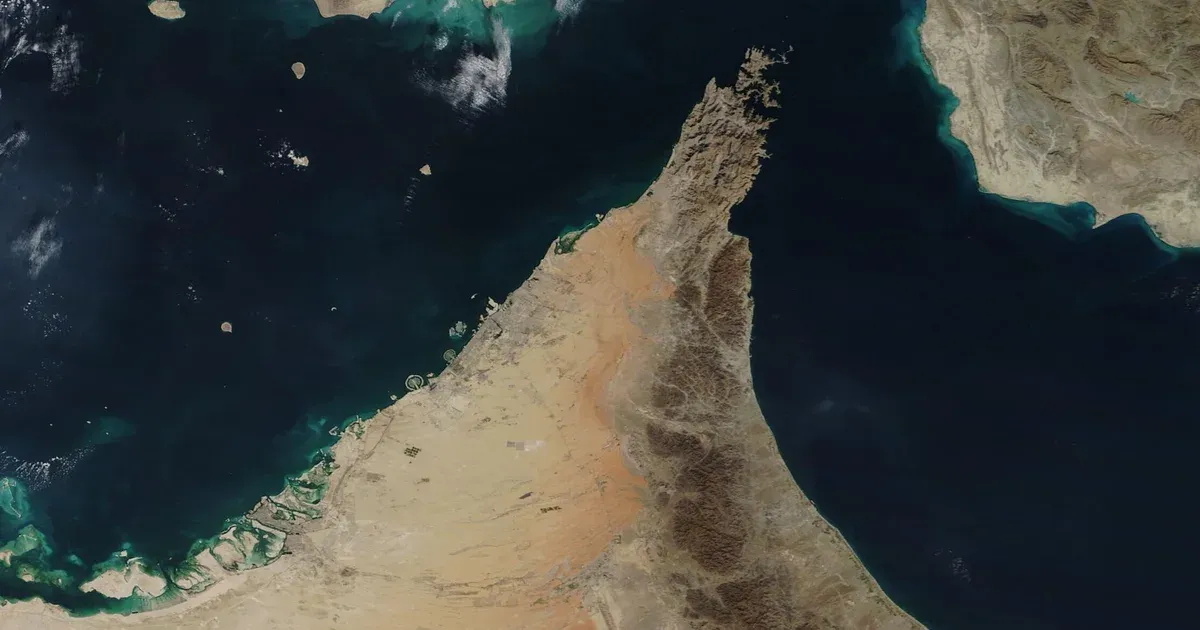
Beijing officials reviewed internal data showing that the self-reliance strategy championed by Xi Jinping is facing its most significant challenge to date. Supply-chain disruptions emanating from the conflict in Iran have exposed critical vulnerabilities in the domestic economy. Economic planners intended for the Fortress China initiative to insulate the country from global shocks through large stockpiling and domestic substitution. Recent cargo data suggest these buffers are insufficient to offset a prolonged maritime blockade in the Persian Gulf. Freight costs for tankers navigating the Strait of Hormuz surged 400 percent since hostilities began. Officials reviewed the disruptions on April 11, 2026.
Industrial output in coastal provinces fell for the third consecutive month as energy and raw material costs escalated. Port arrivals in Ningbo and Shanghai showed a 22 percent decline in crude discharge volumes during March.
Crude Oil Imports Hit Critical Bottlenecks
Energy security continues to be the primary point of failure for Beijing despite a decade of infrastructure investment. China imports approximately 70 percent of its crude oil requirements, with nearly half of those volumes originating from the Middle East. War in Iran has effectively paralyzed the main shipping lanes that connect Persian Gulf terminals to the South China Sea. Security analysts at the China National Petroleum Corporation warned that current strategic reserves may only sustain industrial demand for 85 days. Previous projections assumed that overland pipelines from Russia and Central Asia would provide a sufficient hedge against maritime interdiction.
Those pipelines are currently operating at maximum capacity and cannot scale further to meet the shortfall. Spot prices for heavy crude in Asian markets hit a five-year high last week.
Refining margins at independent plants in Shandong province have vanished as feedstock prices decoupled from global benchmarks. Several smaller refineries announced temporary shutdowns to avoid mounting operational losses. State-owned enterprises have been ordered to prioritize diesel production for the military and agricultural sectors. This directive has reduced the availability of gasoline and jet fuel for the private sector. Domestic fuel prices rose 15 percent at the pump since the beginning of the month. Shipping companies have begun rerouting vessels around the Cape of Good Hope to avoid the conflict zone. Such detours add 12 days to transit times and double the fuel consumption per voyage. The ongoing instability in the Strait of Hormuz continues to disrupt the flow of global energy supplies.
Chemical Production Stalls Across Industrial Hubs
Petrochemical manufacturing is the backbone of the Chinese export machine, yet it relies heavily on Iranian liquefied petroleum gas and naphtha. Producers of ethylene and propylene reported a sharp contraction in output as inventory levels reached critical lows. These chemicals are essential for the production of plastics, synthetic fibers, and automotive components. Integrated industrial parks in Jiangsu reported a 30 percent reduction in capacity use since the start of April. Factories producing consumer electronics for Western markets now face lead times that have extended from four weeks to three months. Export orders for the second quarter are currently being canceled by European retailers. Manufacturers are unable to guarantee delivery dates or stable pricing for finished goods.
“Maintaining the absolute security of the national industrial chain is the top priority for our economic work,” stated a spokesperson for the National Development and Reform Commission during a briefing.
Supply-chain managers are struggling to find alternative sources for specialized chemical precursors. South Asian suppliers have increased their prices to take advantage of the regional shortage. Efforts to ramp up coal-to-chemicals production have met with environmental and technical hurdles. High water consumption and heavy carbon emissions make these facilities difficult to scale quickly. Older plants lack the efficiency to compete with modern gas-based refineries. Logistics firms report a large backlog of empty containers at inland ports. Trucking companies are raising surcharges to cover the increased cost of diesel fuel.
Helium Scarcity Threatens Semiconductor Manufacturing
Helium supply chains represent an overlooked but essential component of the high-tech economy. Semiconductor fabrication plants in Shenzhen and Hsinchu require ultra-pure helium for cooling and atmosphere control during the lithography process. Global helium production is concentrated in a few locations, with Iran holding significant untapped reserves and Qatar acting as a primary exporter. War-related shipping hazards have blocked nearly 30 percent of the global helium trade that typically passes through the Gulf. High-end chip manufacturing requires a constant flow of the gas to maintain cleanroom environments. One major fab operator reported that its helium reserves would be exhausted by the end of May. Substitution is not an option for existing production lines without significant equipment redesigns.
National security directives have mandated that all available helium be diverted to aerospace and defense applications. This policy has left the commercial semiconductor industry to compete for a dwindling pool of expensive imports. Prices for Grade 5 helium rose from $400 to $1,800 per thousand cubic feet in less than thirty days. Research facilities at top universities have suspended experiments involving cryogenic cooling. Medical centers are also reporting difficulties in maintaining MRI machines that rely on liquid helium. This shortage threatens to derail the national goal of achieving 70 percent chip self-sufficiency by 2027. Production lines for advanced 5-nanometer processors are currently operating at half speed.
Government planners previously estimated that $300 billion in annual energy imports could be reduced through the Strategic Petroleum Reserve. Actual drawdown rates have proven that the physical infrastructure for distribution is a bottleneck. Pipelines and rail networks are struggling to move oil from underground caverns to the refineries where it is needed most. Internal reports suggest that some storage sites have experienced technical failures during high-volume discharge operations. Regional power grids are also under strain as coal-fired plants are pushed to compensate for reduced natural gas imports. Rotating blackouts were reported in several industrial zones in Guangdong last Tuesday. Power-hungry data centers have been asked to reduce their energy consumption during peak hours.
Foreign direct investment in the manufacturing sector has slowed as multinational corporations reassess the risks of the Fortress China model. Diversification strategies, often referred to as China Plus One, are accelerating among Japanese and American firms. They are moving production to Vietnam and India to avoid the volatility of the Chinese energy market. Local governments are offering subsidies to keep factories from relocating, but the fiscal burden is becoming unsustainable. Debt levels at the provincial level have increased as tax revenues from the industrial sector decline. Sovereign bond yields rose as investors weighed the long-term impact of a stagnant manufacturing base. The official manufacturing purchasing managers index fell to 48.2 in March.
A nation of 1.4 billion people cannot fully divorce its destiny from a globalized world. The persistent failures of the Fortress China strategy suggest that autarky is a dangerous delusion in the twenty-first century. Beijing has spent trillions of yuan building a wall of economic security, yet a regional conflict thousands of miles away has breached those defenses in mere weeks. The vulnerability stems from a basic geographic and geological reality: China lacks the domestic resources to power a modern industrial superpower. No amount of state-level planning or stockpiling can replace the fluid, reliable flow of global commodities.
The current crisis proves that strategic depth is an illusion when the arteries of trade are severed at the throat of the Strait of Hormuz.