Impact of Trump Blockade on Iranian Exports
President Donald Trump announced the implementation of a thorough naval blockade earlier this morning to prevent sanctioned energy products from reaching global markets. The move follows months of increasing rhetoric regarding the enforcement of trade barriers against the Islamic Republic. By April 14, 2026, naval assets from the United States are reportedly moving into position to intercept future shipments. Previous enforcement efforts relied primarily on financial penalties rather than physical interdiction at sea. The U.S. Seventh Fleet is currently monitoring the region.
Washington is now using a strategy of physical denial to collapse the remaining revenue streams available to the Iranian government. The naval blockade seeks to create a total halt of maritime traffic carrying prohibited goods from Iranian terminals like Kharg Island. Recent reports indicate that the blockade includes the right to board and inspect vessels suspected of carrying illicit cargo in international waters. This extreme measure changes the risk calculation for commercial shipping entities operating in the Middle East. Shipping insurance rates for the Persian Gulf spiked by 40 percent within hours of the announcement.
Tehran responded to the blockade by stating that any attempt to seize its oil would be met with a reciprocal response. The Iranian Ministry of Petroleum maintains that its trade with India is a sovereign matter between two independent nations. Experts note that Iran has refined its ship-to-ship transfer techniques over the last decade to hide the origin of its crude. These tactics often involve turning off Automatic Identification System transponders to evade detection by Western intelligence. The last recorded shipment occurred in May 2019.
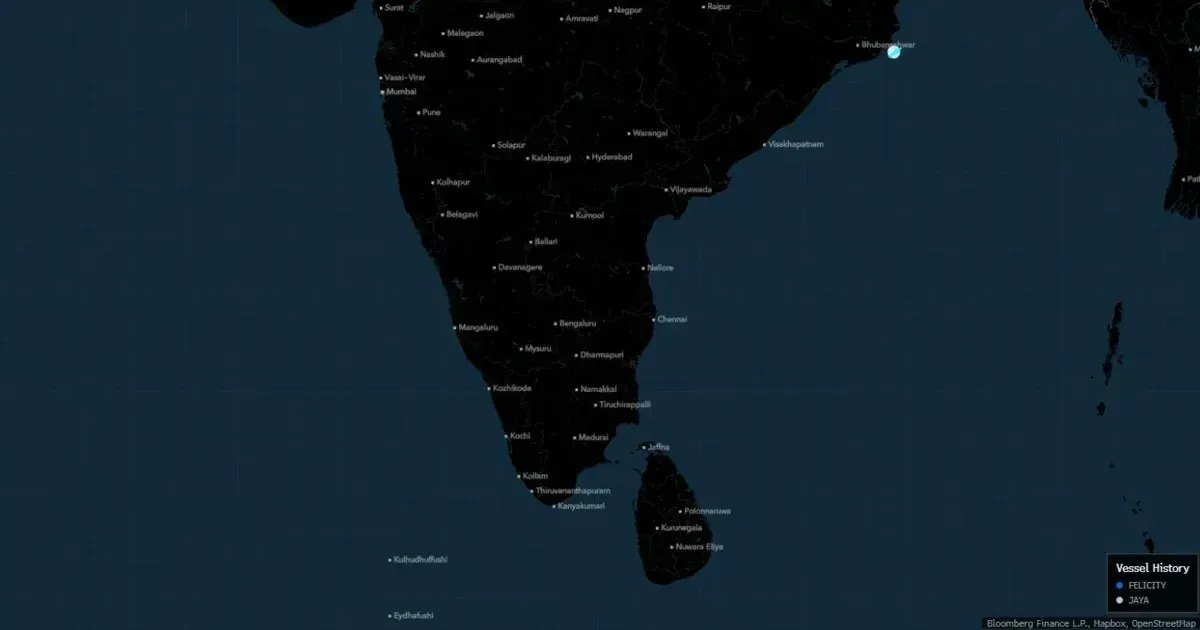
Two sanctioned supertankers laden with Iranian crude have dropped anchor off Indian ports, marking what could be the first such cargoes to arrive in the country in nearly seven years, marine-tracking data showed.
The tankers, which are currently floating in the outer anchorage areas of Mundra and Sikka, are testing the resolve of the Indian government. New Delhi historically maintained a strong energy partnership with Tehran before the previous administration forced a complete halt to imports. The current administration in India faces a difficult choice between its energy security needs and its strategic partnership with the United States. Refineries in the Gujarat region are configured to process the heavy, sour grade of crude that Iran typically exports. New Delhi has not issued an official response.
Indian Port Authorities and Energy Security
Indian refineries have struggled with rising global energy prices over the last fiscal year. The sudden availability of Iranian crude, likely offered at a substantial discount, presents an attractive option for state-run and private refiners alike. Sources within the Ministry of External Affairs suggest that India is seeking a diplomatic middle ground to avoid triggering secondary sanctions. Any decision to allow the tankers to offload would likely result in immediate penalties against the receiving refineries. Reliance Industries and Nayara Energy operate the primary facilities in the vicinity of the anchored ships.
Logistical challenges for the anchored tankers include the lack of Western maritime insurance, which is a standard requirement for entering Indian ports. The vessels are reportedly using sovereign guarantees or obscure insurance providers based in non-aligned jurisdictions. Port pilots in Sikka have been instructed to wait for specific clearance from the central government before boarding. This delay indicates that the decision is being handled at the highest levels of the Prime Minister's Office. This represents the first major test of the new U.S. maritime policy.
Energy analysts believe the $11 billion in potential trade value represented by a full resumption of Iranian imports is too important for India to ignore indefinitely. Domestic demand for fuel continues to outpace internal production capabilities. Importing from the Middle East remains more cost-effective than sourcing barrels from the Atlantic Basin or Russia. The price of Brent crude reacted to the blockade news by jumping 4.5 percent in early trading. Markets are pricing in a prolonged period of maritime friction.
Global Energy Markets and Sanctions Enforcement
The enforcement of the blockade requires a major commitment of naval resources across the Indian Ocean and the Strait of Hormuz. U.S. officials have reached out to regional allies to provide support for the interdiction efforts. However, many nations in the Persian Gulf are hesitant to participate in actions that could provoke a kinetic conflict. The logistical burden of patrolling thousands of square miles of open water remains a primary concern for naval planners. Surveillance drones are currently providing 24-hour coverage of the tankers off the Indian coast.
The shadow fleet includes roughly 400 vessels that operate outside of standard regulatory frameworks. These ships often undergo frequent name changes and flag registrations to obscure their history of sanctions violations. Washington has blacklisted dozens of these tankers over the past year, yet they continue to transport millions of barrels each month. Two tankers off India represent only a small fraction of the total volume currently in transit globally. Modern tracking technology makes it difficult for these ships to hide forever. The vessels remain in international waters.
The confrontation off the coast of Gujarat is the most visible manifestation of the current trade war. If the tankers are allowed to discharge, it will signal a failure of the blockade policy in its first week. If the ships are forced to turn back, it will highlight the total dominance of American maritime enforcement. Neither Tehran nor Washington has shown a willingness to compromise on the fundamental issues of energy sovereignty. The standoff continues into its second day with no signs of movement from the tankers. Oil traders are monitoring the situation via real-time satellite feeds.
Diplomatic channels between Washington and New Delhi remain open despite the tension. U.S. State Department officials are expected to arrive in India on April 15 for emergency consultations regarding energy trade. The outcome of these meetings will determine the fate of the four million barrels currently sitting just miles from the Indian shore. International law regarding the blockade of commercial shipping remains a subject of intense debate among maritime attorneys. The ships were identified via AIS signals.
India Tests Sanctions Pressure
Two sanctioned tankers off India's coast have turned the oil trade into a direct test of Washington's blockade threat. The vessels are carrying Iranian crude near major refining hubs, creating a practical choice for New Delhi between energy needs and U.S. pressure. The dispute is now less abstract than a sanctions warning. Marine-tracking data showed the standoff on April 13, 2026, as diplomats prepared for emergency consultations.