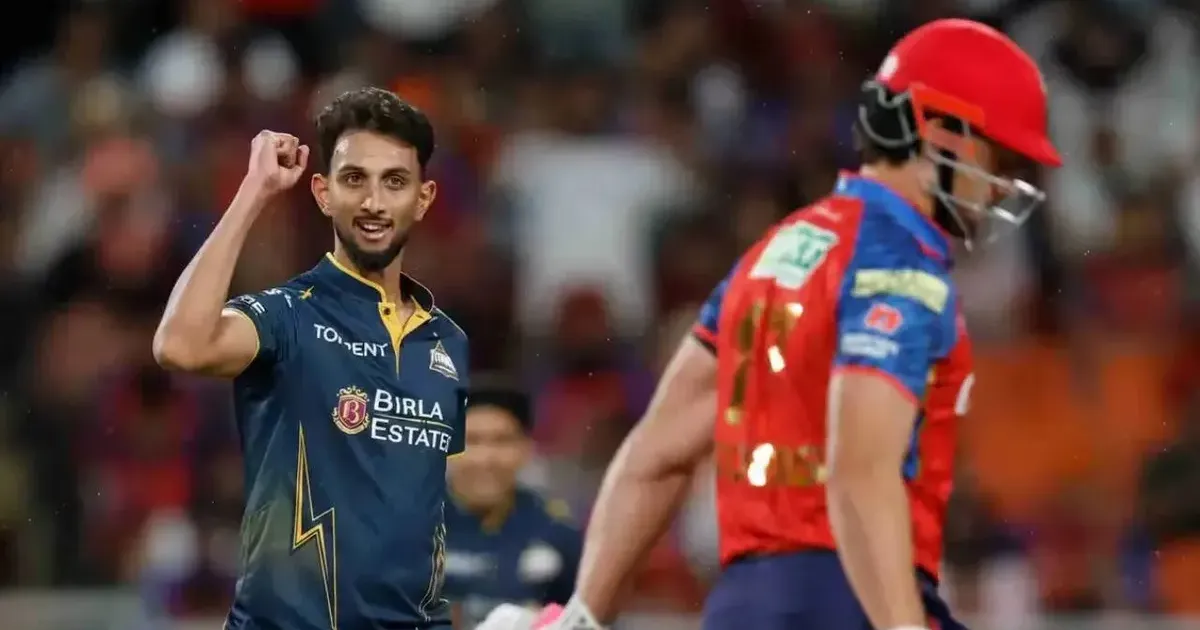
Cooper Connolly's IPL debut was the kind of innings that changes how a narrow chase is remembered. Punjab Kings needed 163 against Gujarat Titans in Mullanpur and reached 165 for 7 with five balls left. The margin was only three wickets, but Connolly's unbeaten 72 off 44 balls gave the chase its shape long before the final boundary.
For Gujarat, the defeat was uncomfortable because it never became unwinnable. Prasidh Krishna's late burst pulled Punjab from control into danger, yet the pressure arrived after Connolly had already taken enough weight out of the target. The delayed pressure left Shubman Gill and the support staff answering the harder question: did Gujarat save its sharpest spell too late?
Connolly Played Like the Chase Was His
Debut innings can look busy, rushed or overawed. Connolly's did not. Batting at No. 3, he attacked width, picked length early and kept Punjab ahead of the required rate without turning the chase into a slog. His five fours and five sixes mattered, but the more important detail was control.
Punjab still wobbled badly. From a strong position, the chase tightened when wickets fell in a cluster. The collapse is where Connolly's innings became more than a highlight package. He stayed through the collapse, absorbed the noise and let Marco Jansen and Xavier Bartlett play smaller but useful roles around him.
Prasidh Krishna Changed the Match Too Late
Prasidh's spell gave Gujarat the argument they needed and the regret they could not avoid. His 3 for 15 showed that the surface still offered something for a bowler who hit the right length with pace and bounce. The issue was timing. If the same threat had entered earlier, Punjab's chase may not have looked so settled by the middle overs.
Captains often hold strike bowlers for the back end because T20 games are lost quickly at the death. The death-overs logic is sound until a set batter removes the death-overs cushion before the death arrives. Gujarat's review had to decide whether this was a one-match read or a pattern in how Gill protects resources.
Rain Explained Conditions, Not Decisions
Gill's point about rain and a skidding surface had merit. A wet ball is harder to grip, cutters can lose bite and batters can get extra value when the ball slides on. Those conditions can make a 163 chase feel smaller than the scorecard suggests.
But conditions do not remove captaincy. They make captaincy harder. Field settings, over allocation, matchup calls and length discipline have to adjust faster when the ball is wet. Gujarat could not file the defeat under weather and move on because Punjab did not win through chaos. Connolly gave the innings order, and that made Gujarat's delayed pressure look expensive.
Punjab Found More Than Two Points
For Punjab, the immediate reward was a season-opening win. The larger reward was evidence that Connolly could handle a high-pressure role rather than only serve as overseas depth. An unbeaten debut chase has a different effect inside a dressing room. It gives a young player authority he did not have the day before.
The debut does not make him a finished IPL star. Bowlers will study him, matchups will tighten and expectations will rise. But a side that often needs calm in the middle overs now has proof that Connolly can provide it when the chase is not clean.
Gujarat's Lesson Was Tactical, Not Emotional
The tactical conclusion is that Gujarat lost a match it could still explain, but not dismiss. Rain mattered. Connolly's quality mattered more. Prasidh's late wickets showed the plan had weapons; the result showed the plan may have waited too long to use them.
Gill did not need to turn one defeat into a crisis. He did need to show in the next games that Gujarat had learned from the chase. In T20, a captain is judged less by the first imperfect read than by whether the same imperfect read keeps appearing after the review room has had its say.