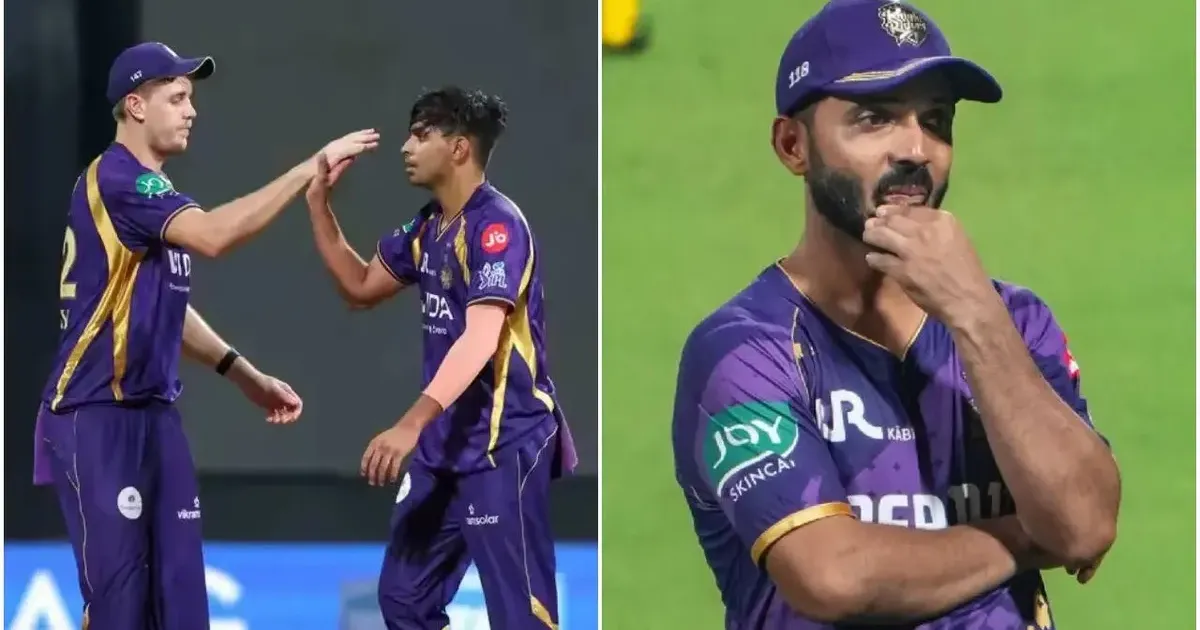
Cameron Green's temporary bowling restriction at Kolkata Knight Riders was never only a selection issue. It exposed one of franchise cricket's unresolved tensions: an IPL team can buy an all-rounder for a record price, but it does not fully control the player's body when a national board is managing an injury.
The dispute surfaced after KKR's early-season loss to Mumbai Indians, when captain Ajinkya Rahane was asked why Green had not bowled. Rahane pointed reporters toward Cricket Australia. CA then clarified that Green had a lower-back problem, needed to avoid bowling for a short period and was rebuilding his bowling loads in India with a return expected in roughly 10 to 12 days.
The Restriction Was Medical, Not Tactical
The important distinction is that Green was cleared to bat, not to bowl. That can look confusing from the outside, especially in T20 cricket, where one player is marketed and priced as a package. But batting and bowling do not stress the body in the same way. For a fast-medium all-rounder with a back issue, four overs at match intensity are not equivalent to facing deliveries as a batter.
The controversy should therefore not be read as a simple case of one side hiding information. CA said KKR had been informed. KKR still had to absorb the tactical cost in a live match. Both things can be true. A medical plan can be justified and still disrupt a franchise's balance badly enough for the captain to sound frustrated.
KKR Paid For Balance
Green's price made the issue louder. KKR signed him for INR 25.20 crore, the most expensive overseas buy in IPL history, and that number carried an obvious expectation: he would strengthen the batting and give the side overs when matchups required them. If he plays only as a batter, the value equation changes.
The tactical impact was clear because KKR's bowling group was already dealing with injuries and availability issues. Without Green's overs, the captain had less flexibility, fewer seam options and a narrower margin when defending a big total. In a short tournament, even a two-week restriction can reshape combinations, overseas-player choices and the pressure placed on spinners.
Australia Had The Longer View
Cricket Australia's position was just as clear. Green is not only a franchise asset. He is a major Australian player across formats, and lower-back problems for seam-bowling all-rounders can become recurring career issues if workloads rise too quickly. A March IPL match cannot outrank a long-term injury plan for a player expected to matter in Tests and international tournaments.
That does not remove the franchise's frustration. It explains why the board had to draw the line. The prudent comeback from a back issue is staged: batting, controlled bowling loads, net intensity, then match overs. Reports soon after the dispute said Green had begun bowling in the nets under supervision, which is exactly the kind of gradual step CA was trying to protect.
Communication Is The Weak Link
The communication problem extended beyond the restriction. It was the public uncertainty around it. If a captain can be left to answer a post-match question by telling reporters to ask a national board, the communication system has already failed. Supporters do not need private scans or detailed medical notes. They do need a clear public outline of what a player can and cannot do.
That protects the player as much as the institutions. A high-priced overseas signing is judged immediately in the IPL, and a restriction he did not choose can quickly become a character argument about value, commitment or form. Precise language keeps the debate where it belongs: workload, selection and risk.
The Club-Country Problem Is Now A Business Problem
The old club-versus-country argument has changed because franchise contracts are now large enough to create their own pressure system. Teams pay for availability. National boards manage long-term bodies. Players sit between the two, trying to win matches without turning a managed injury into a relapse.
The workable answer is not for franchises to overrule medical caution. It is written clarity before tournaments begin: what restrictions exist, who can change them, how updates are shared and what language captains should use publicly. Green's case was not the biggest injury story of the season, but it was a clear warning. In modern T20 cricket, medical governance is part of squad construction. Ignore it, and the bill arrives during the match.