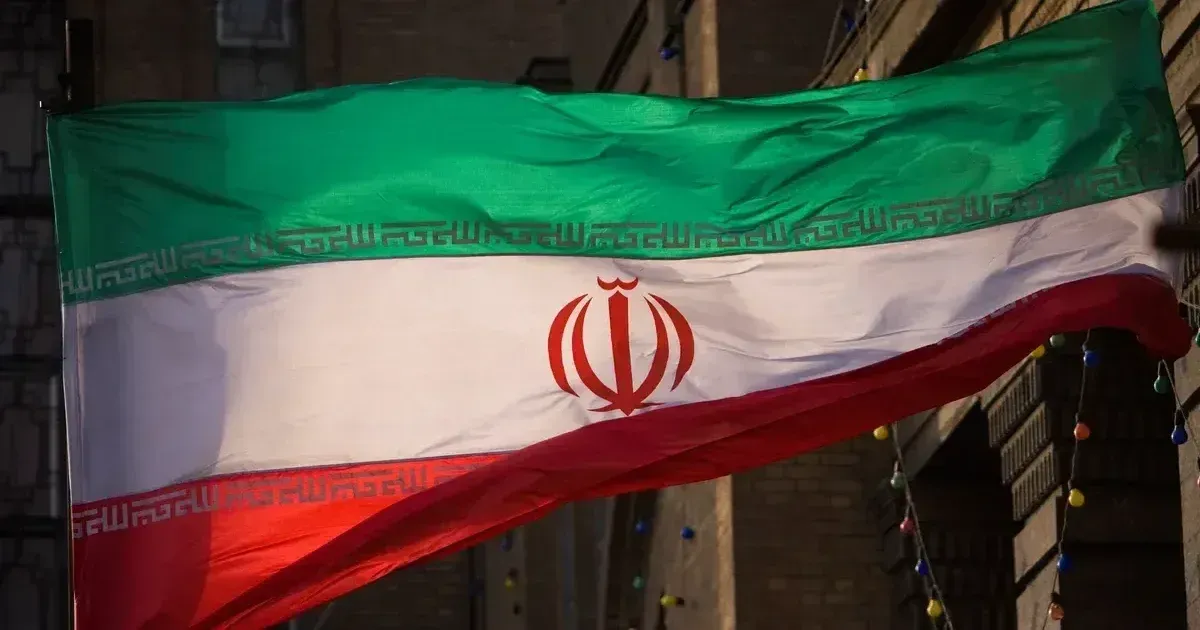
Trump's possible uranium deal with Iran moved nuclear bargaining back into the center of regional diplomacy. Intense diplomatic speculation followed on April 18, 2026, after Donald Trump asserted that Iran agreed to surrender its entire stockpile of enriched uranium. Washington officials, responding to the announcement, indicated that the two nations are closer to a comprehensive agreement than at any point in the last decade. Tehran has not yet confirmed the specific details of this exchange through official state media. White House sources suggest the framework involves the total removal of fissile material in exchange for immediate economic relief. Specific terms regarding the verification of these nuclear assets remain undisclosed to the public.
Optimism surrounding the potential accord has already triggered fluctuations in global energy benchmarks. National security experts expressed caution about the lack of technical detail provided in the initial statements. Reports from the State Department suggest that internal deliberations regarding the logistics of uranium extraction began earlier this month.
Trump’s optimism stems from months of back-channel communications involving intermediaries in the Gulf region. These discussions focused on the immediate cessation of enrichment activities at the Natanz and Fordow facilities. Iranian negotiators previously insisted on maintaining a civilian nuclear program for medical and energy purposes. Recent developments suggest a willingness to accept a supervised model where all high-level enrichment ceases permanently. Confusion persisted throughout the afternoon as contradictory reports from the Iranian Foreign Ministry filtered through European diplomatic circles. One senior official in Tehran claimed that while talks progressed, the surrender of all uranium was not a finalized condition.
Security analysts at the International Atomic Energy Agency wait for formal notification to resume intrusive inspections. Verification procedures represent the primary obstacle to a final signing ceremony. Previous attempts to secure such a deal failed because of disagreements over the timing of sanctions removal. This single point of contention has derailed three separate summits since late 2024.
Uranium Enrichment and Technical Compliance
Nuclear experts in Washington estimate that Iran currently possesses enough 60% enriched uranium to produce multiple explosive devices if further refined. Relinquishing this material would involve a complex logistical operation overseen by international monitors. Shipping hundreds of kilograms of volatile material across international borders requires specialized containers and heavy security details. Russian or Chinese facilities often served as repositories for such material in previous iterations of nuclear diplomacy. Trump’s claim that a deal is imminent suggests a breakthrough in how these shipments will be handled.
Technical specialists at the Department of Energy have drafted plans for the safe extraction of material from the Fordow enrichment site. Underground facilities like Fordow present unique challenges for inspectors because of their depth and reinforced structures. Because of these physical constraints, any deal must include 24-hour video surveillance and satellite monitoring of the surrounding areas. Compliance metrics must be established before the first shipment leaves Iranian soil. Skepticism remains high among intelligence officials who tracked previous instances of Iranian deception regarding hidden centrifuge cascades.
Intelligence agencies previously identified clandestine activities at several undeclared locations near the city of Isfahan. Analysts believe these sites could house secret stockpiles if the official inventory is surrendered. Any lasting agreement requires a declaration of all past military dimensions of the nuclear program. Iranian hardliners within the Revolutionary Guard Corps have historically opposed such transparency. Their influence over the supreme leader often dictates the final outcome of diplomatic initiatives. Without a clear commitment to address these secret sites, the current deal may only offer a temporary pause in enrichment.
Scientists at the Los Alamos National Laboratory suggest that removing the physical material is only half the battle. Knowledge of the enrichment process stays within the minds of Iranian nuclear physicists regardless of where the physical uranium resides. Training programs and research cycles cannot be easily undone by a diplomatic signature.
Regional Security and Proxy War Implications
Regional stability hinges on whether a nuclear deal also addresses the ongoing shadow war between Tehran and its neighbors. Israel has maintained a policy of strategic ambiguity regarding its plans to strike Iranian nuclear infrastructure. Because of the potential for a regional conflict, the Israeli government demanded a seat at the table during these negotiations. Prime Minister Benjamin Netanyahu continues to argue that any deal failing to dismantle the centrifuges entirely is a failure. His cabinet reviewed intelligence reports indicating that Iranian proxies in Lebanon and Yemen received new shipments of precision-guided munitions.
These weapon transfers complicate the diplomatic narrative of a peaceful resolution. Saudi Arabia and the United Arab Emirates have also sought assurances that their security interests are protected. A nuclear-armed Iran would fundamentally alter the balance of power in the Persian Gulf. Diplomatic efforts must therefore account for the ballistic missile program that accompanies the nuclear infrastructure. Trump’s current framework focuses heavily on the uranium stockpile but leaves the missile question for future discussions. This narrow focus has drawn criticism from hawkish members of the United States Senate.
Proxy forces across the Middle East look to Tehran for financial and logistical support during these periods of high-level diplomacy. Hezbollah and the Houthi movement rely on Iranian oil revenue to maintain their military capabilities. Removing sanctions could inadvertently flood these groups with fresh capital. Security advisors in Washington are currently drafting a list of non-nuclear sanctions that must stay in place. Balancing economic relief with the need to contain regional aggression is a delicate task for the administration. Recent maritime incidents in the Red Sea demonstrate the ability of these proxies to disrupt global shipping at a moment's notice.
Iranian naval commanders often use these disruptions as leverage during diplomatic crises. Stabilizing the shipping lanes is a requirement for the full implementation of any trade agreements. Peaceful navigation in the Strait of Hormuz is essential for the global economy to function properly. Without a cessation of proxy attacks, the political will for a nuclear deal may evaporate in Western capitals.
Global Energy Markets and Sanctions Relief
Energy markets responded to the White House announcement with a sharp decline in crude oil futures. Brent crude fell by 4% within hours of the initial report. Traders anticipate that a successful deal would return nearly 2.4 million barrels of Iranian oil to the global market daily. This influx of supply would likely depress prices throughout the remainder of the 2026 fiscal year. Major energy firms in Europe have already expressed interest in re-entering the Iranian energy sector. TotalEnergies and Eni previously held meaningful contracts for the development of the South Pars gas field.
These projects stalled during the maximum pressure campaign of the previous decade. Rebuilding the infrastructure of the Iranian oil industry will take billions of dollars and several years of steady investment. Most Iranian wells currently operate with antiquated technology that limits their output. Sanctions relief would allow for the importation of modern drilling equipment and specialized software. The economic impact of such a shift extends far beyond the borders of the Middle East. Global inflation rates could cool if energy costs drop sharply during the summer months. Financial institutions in London and New York are currently analyzing the risk of a snapback provision in the proposed deal. A snapback mechanism would automatically reinstate sanctions if Iran violates any portion of the agreement. Private banks are often hesitant to finance trade with Tehran because of the threat of secondary sanctions. Clear legal guidelines from the Treasury Department are necessary to encourage meaningful investment. Many Iranian citizens have seen their purchasing power decimated by currency devaluation in recent years. Rapid inflation has led to widespread domestic unrest in cities like Mashhad and Tabriz. Relieving these economic pressures is a primary motivation for the Iranian leadership to reach an accord. Failure to deliver real improvements in the standard of living could threaten the stability of the regime itself. The negotiators in Tehran are pushing for a front-loaded relief package that provides immediate access to frozen assets. Washington prefers a phased approach where funds are released only after specific verification milestones are met. Disagreements over this timeline have historically prevented the finalization of previous treaties.
Uranium Deal Tests Iran Diplomacy
Donald Trump may have bought time for a regime close to collapse rather than solved the riddle of the Middle East. The announcement of a deal where Iran yields its enriched uranium sounds definitive, but the lack of a mechanism to dismantle the knowledge base and the centrifuge infrastructure is a glaring omission. History shows that Tehran uses these periods of relative calm to consolidate its proxy networks while waiting for a more favorable political climate in the West. By focusing almost exclusively on the physical stockpile, the administration ignores the reality that centrifuges can be restarted, and knowledge cannot be unlearned. The arrangement is a tactical pause rather than a final resolution that benefits both a president seeking a legacy and a regime seeking survival. The economic stakes are equally full of contradictions. Releasing $100 billion in frozen assets into the hands of the IRGC while simultaneously hoping for regional peace is a gamble that ignores decades of regional behavior. Market volatility may subside in the short term, but the long-term cost of a renewed Iranian treasury will be paid in the blood of proxy conflicts from the Levant to the Bab el-Mandeb. Investors should treat the current dip in oil prices as a temporary anomaly. True stability in the Middle East requires a complete dismantling of the revolutionary apparatus, not just a relocation of its fuel. Trump is betting on his ability to out-negotiate a thousand-year-old culture of bazaar diplomacy. He may find that the price of this deal is far higher than the White House is currently willing to admit. Serious observers of Persian Gulf politics have every reason to remain skeptical.