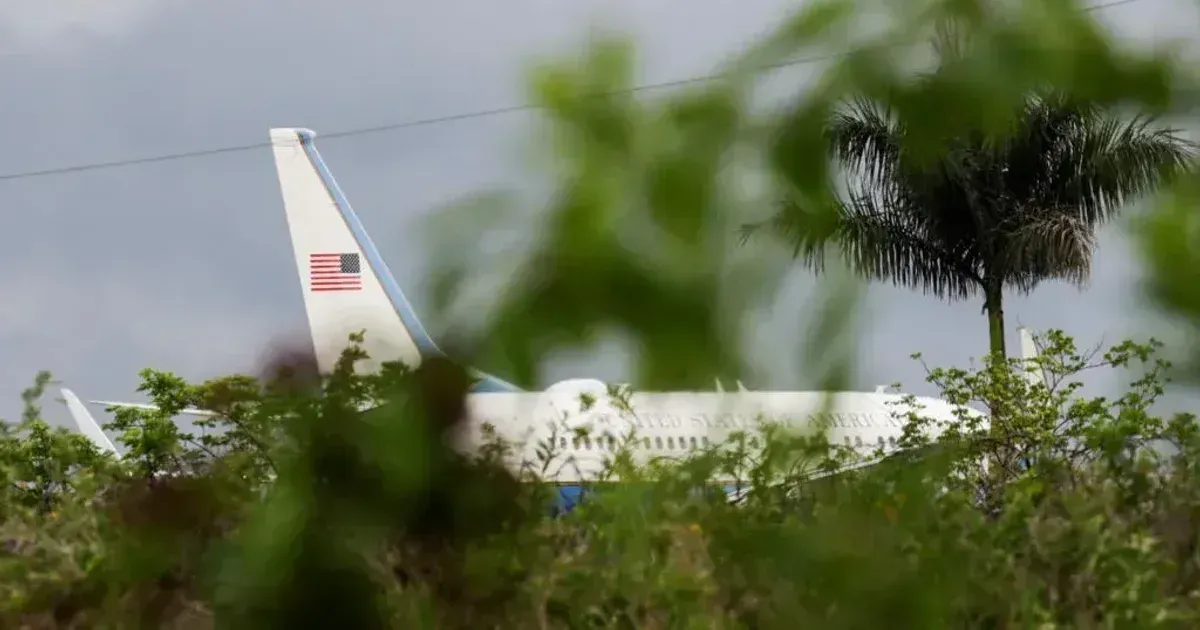
Raul Castro faces federal criminal charges in a Miami court following a decades-long investigation into the destruction of civilian aircraft. The indictment gives a decades-old exile grievance a new courtroom setting. It also raises immediate questions about whether a symbolic prosecution can produce any practical custody. US federal prosecutors unsealed the indictment on May 20, 2026, targeting the 94-year-old former Cuban leader for his alleged role in a 1996 aerial engagement. This legal move marks a major shift in American policy toward the island nation.
Specific counts include conspiracy to kill US nationals, four counts of murder, and two counts of destruction of aircraft. Justice Department officials also named five others in the filing, identifying them as key figures in Havana's military leadership during the relevant period. While the legal action focuses on historic events, its timing reflects a renewed pressure campaign against the Cuban government.
Aviation records and intelligence reports from 1996 indicate that Cuban MiG-29 fighters intercepted two Cessna 337 aircraft operated by the Miami-based group Brothers to the Rescue. These planes, piloted by exiles who dropped pro-democracy leaflets over Cuba, fell to air-to-air missiles over the Florida Straits. American authorities have long contended that the shootdown occurred in international airspace, while Havana has maintained the aircraft violated sovereign territory.
"For nearly 30 years, the families of four murdered Americans have waited for justice," acting Attorney General Todd Blanche said in Miami.
The indictment describes Castro as a central authority behind the mission. At the time of the incident, he held the post of Minister of the Revolutionary Armed Forces, exercising direct command over the pilots who engaged the civilian Cessnas. The deaths of Armando Alejandre Jr., Carlos Costa, Mario de la Pena, and Pablo Morales froze diplomatic ties that had briefly begun to thaw in the mid-1990s.
Prosecution Focuses on 1996 Raul Castro Shootdown
Havana continues to protect its former leader from foreign prosecution. The 94-year-old political figurehead stepped down from the presidency in 2018 and has since retreated from public life. Despite his retirement, the indictment suggests that federal investigators have spent years confirming testimonies from defectors and analyzing encrypted communications linked to the 1996 operation.
Extradition between the two nations is nonexistent under the current political climate.
Prosecutors in Florida, however, appear focused on creating a legal record that persists beyond the life of the defendant. This strategy mirrors previous US efforts to target foreign heads of state, including the 1988 indictment of Manuel Noriega in Panama and more recent charges against Venezuelan leadership. By securing a grand jury indictment, the US government effectively bars Castro and his co-defendants from traveling to any country with a standing extradition treaty with Washington.
Miami remains the central hub for the prosecution as the city houses the largest population of the Cuban diaspora. Legal experts note that any trial, if it ever proceeds with a defendant in custody, would rely heavily on radar data collected by US Air Force tracking stations during the Cold War era. These records allegedly show the exact coordinates where the missiles hit the unarmed civilian aircraft.
Legal Precedents and Miami Court Strategy
Criminal charges against a former head of state carry deep symbolic weight in international law. While the Cuban government has not yet issued a formal response to the Miami filing, state media has previously referred to the investigation as an act of political aggression. The current administration in Washington maintains that the indictment is a matter of criminal justice rather than a purely diplomatic maneuver.
Trump administration officials have indicated that this case is part of a broader effort to hold the communist government accountable for human rights violations. The move targets not only Castro but also the institutional memory of the Cuban military. By naming five additional officers, prosecutors aim to dismantle the legacy of the generation that has led the island since the 1959 revolution.
Procedural hurdles in the Miami court will likely involve classified intelligence. Attorneys for the families of the deceased pilots have argued for decades that the evidence of Castro's direct involvement was sufficient for a criminal trial. These families have previously won civil judgments against the Cuban government, but the criminal indictment represents the first time the US has sought individual prison time for the highest levels of the regime.
The Indictment Closes the Door on a US-Cuba Reset
Did the architects of the Cold War ever imagine that legal briefs, not naval blockades, would become the primary weapon for regime change in the 21st century? The indictment of a 94-year-old leader suggests that the US Department of Justice is prioritizing the creation of a historical and legal record over the immediate physical custody of the accused. By using the 1996 shootdown as the catalyst, Washington is anchoring its current geopolitical strategy in what US officials describe as a violation of international aviation law.
The prosecution sharply narrows any lingering hope for a diplomatic reset between Havana and Washington. No sovereign government can easily negotiate with an administration that has labeled its former head of state a murderer. While the practical effect of the indictment on Castro's daily life may be minimal, its impact on the Cuban military's future is deep. Younger officers now face the reality that loyalty to the old guard carries a lifetime risk of international prosecution. The move is a calculated gamble that legal pressure will eventually fracture the internal cohesion of the Cuban state. Havana's military apparatus is now on notice.