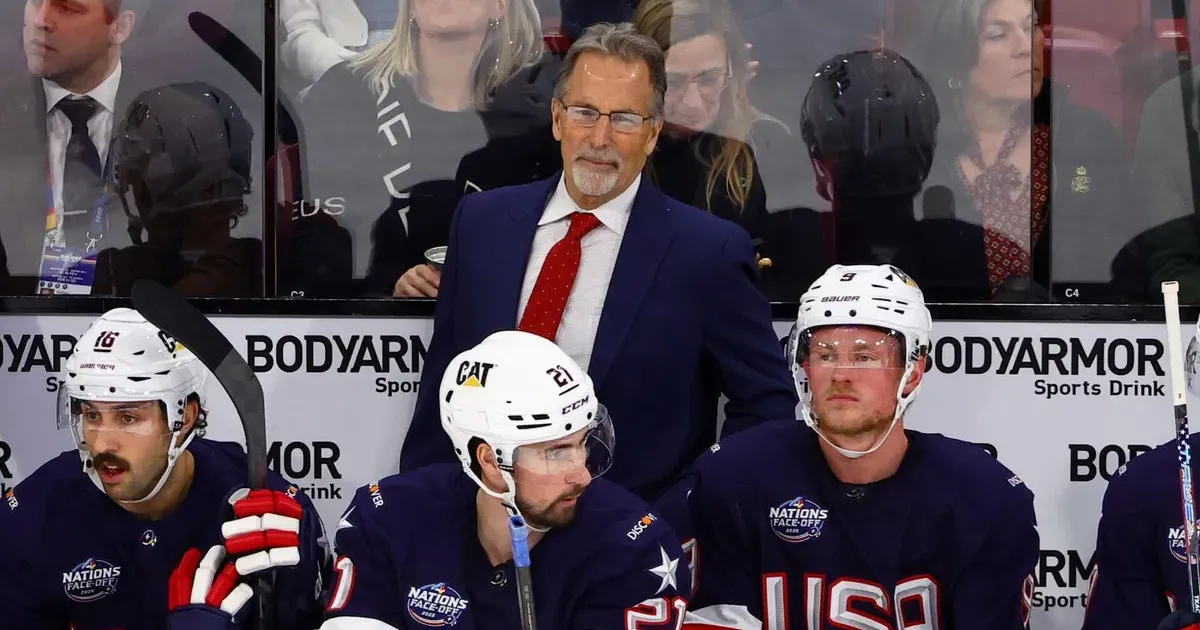
The Vegas Golden Knights' decision to fire Bruce Cassidy and hire John Tortorella with only eight games left in the 2025-26 regular season looked reckless when it happened. In hindsight, it was still ruthless, but it cannot be dismissed as noise. Tortorella gave Vegas the immediate jolt the front office wanted.
The Golden Knights were third in the Pacific Division and 3-5-2 in their previous 10 games when Cassidy was dismissed. He had delivered the franchise's first Stanley Cup in 2023 and owned a strong overall record in Vegas. The organization still decided the current slide mattered more than the old banner.
The Short-Term Bet Paid Off
Vegas went 7-0-1 in Tortorella's eight regular-season games, clinched a playoff berth and surged to the Pacific Division title. That finish changed the meaning of the move. It was no longer only a desperate late-season shock. It became proof that a veteran room could still respond quickly to a more forceful voice and clearer defensive demands.
The playoff run made the case more compelling. Tortorella did not get a training camp, a long systems installation or months to build relationships. He inherited a team that needed urgency immediately and helped push it all the way to the Stanley Cup Final before the run ended against Carolina.
Cassidy's Firing Still Shows Vegas' Nature
Cassidy's case remains strong even after the Tortorella surge. He gave the Golden Knights structure, defensive detail and a championship. Coaches with that resume usually earn more runway. Vegas has never operated like that. Gerard Gallant and Peter DeBoer also learned that winning records do not guarantee protection when the front office senses a plateau.
That management style can look cold because it is cold. Vegas treats winning windows as assets that expire quickly. Sentiment is allowed in the video tribute, not in the decision room. The Cassidy firing told the locker room that no one, not even a Cup-winning coach, was insulated by past achievement.
Tortorella Was A Jolt, Not A Reset
Tortorella's value was narrow and immediate. He brought direct communication, defensive accountability, shot-blocking urgency and a playoff edge. That can work with a veteran roster that already knows how to win and needs direction more than instruction.
It is different from building a long-term identity. A coach hired with eight games left does not remake an organization from scratch. He changes the temperature of the room, clarifies standards and makes players uncomfortable enough to tighten details. In Vegas, that was enough to change the season.
The Temporary Ending Fits The Move
Tortorella not returning after the season did not make the hire a failure. It made the logic clearer. Vegas was not necessarily buying a five-year coaching era. It was buying urgency at the end of a season that seemed to be drifting. The fact that players praised the fit afterward suggests the move landed well even if it was not built to last.
The next test belongs to management. A shock hire can rescue a spring, but it cannot become the only operating system. If every slump is answered with another dramatic turn, urgency eventually becomes instability. Vegas has earned the right to defend aggression because its record includes a Cup and another Final run. It has not earned the right to pretend aggression has no cost.
The Tortorella move worked in the only window it was designed to affect. It revived the regular season, sharpened the playoff identity and helped carry Vegas to the final. It also confirmed the franchise's most unforgiving trait: in Las Vegas, even winning the Stanley Cup buys respect, not security.