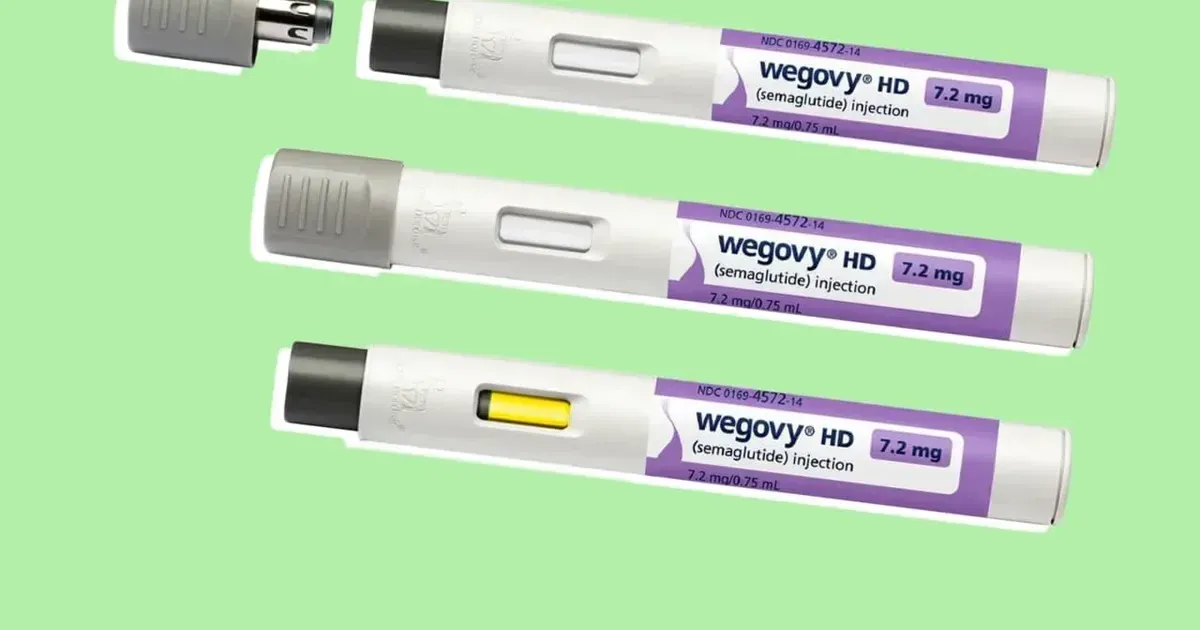
High-dose Wegovy approval gives Novo Nordisk a stronger response to Eli Lilly in the fast-moving GLP-1 weight-loss market. The decision gives physicians another dosage option as patients and insurers ask whether treatment can remain effective over time. The approval entered a market already shaped by demand, supply constraints and a race to show durable outcomes rather than short-term excitement. The higher dose matters because many patients eventually face a plateau.
For drugmakers, that makes dosage flexibility a commercial and clinical tool, not just a label detail. Novo Nordisk can now argue that Wegovy has a broader pathway for patients who need more support. Eli Lilly still has strong momentum, but the approval narrows the sense that one company owns the next phase of obesity medicine. The market effect will depend on more than trial results.
Novo Nordisk Gets a Competitive Answer
Patients need supply, doctors need confidence on tolerability, and insurers need to decide when a higher dose is medically justified. A powerful medicine can still reach patients slowly if coverage rules are restrictive or if side effects lead doctors to move carefully. That is why the approval is important but not self-executing. The GLP-1 rivalry is becoming a contest over treatment architecture.
Companies are not only selling weight loss; they are trying to define how chronic obesity care should be escalated, maintained and paid for. Novo Nordisk's win is therefore strategic. It keeps Wegovy in the center of the conversation as the category moves from breakthrough demand to long-term medical management. A higher dose is not a universal solution.
Physicians still have to consider gastrointestinal side effects, medical history, adherence and whether weight-loss response is improving overall health markers rather than only changing a number on a scale. That nuance matters because demand for GLP-1 drugs has often moved faster than the practical systems around them. Pharmacies, insurers and clinics all have to adapt if higher-dose prescribing expands. Novo Nordisk's approval gives the company another tool, but the category remains unsettled.
The higher dose also changes the commercial argument around GLP-1 drugs. Novo Nordisk can pitch stronger results to patients who have already tried lower-dose treatment, while rivals will frame the move as evidence that the category is still being optimized. For doctors, the real question is not only which product produces the most weight loss, but which patients can tolerate the side effects, cost and long-term follow-up that come with stronger dosing.
Why Higher-Dose Wegovy Raises the Stakes
Lilly has its own advantages, and patients may move between drugs depending on access and response. The value for Novo Nordisk is optionality. In a chronic treatment market, the company that can offer more pathways through plateau, tolerance and maintenance has a stronger claim on long-term care.
The tougher question is who pays for that longer path. Higher-dose treatment may help some patients, but it also raises the budget pressure on employers, insurers and public programs already struggling with GLP-1 demand. The obesity-drug market is moving from excitement into management, and that phase is less forgiving. Results matter, but so do supply, side effects, adherence and rules that decide who gets the medicine after the first wave of hype fades.