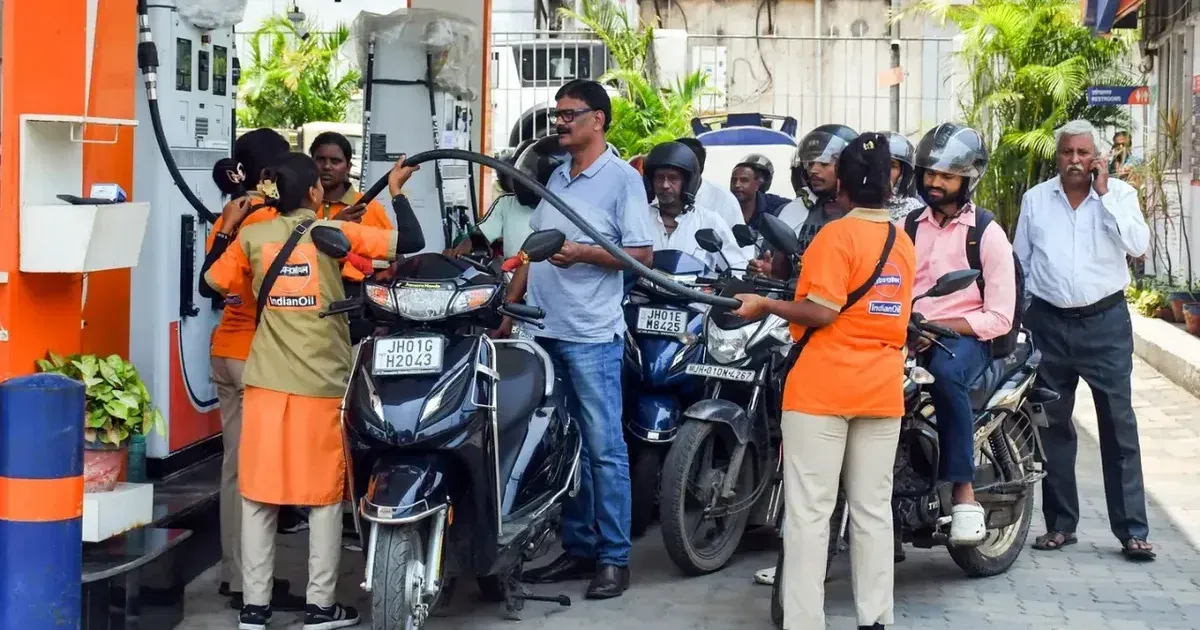
The fuel-price move is a consumer inflation story first. Retailers are passing through global crude pressure. Indian energy retailers raised petrol and diesel prices across major metropolitan markets after weeks of pressure from global crude benchmarks. Consumers now face an average increase of 3 rupees per liter for both fuels. The official price revision took effect on May 15, 2026, and marks one of the steepest single-day adjustments in recent months. This pricing shift reflects the immediate impact of volatile crude oil valuations on the domestic economy.
Fuel costs rose sharply in various states, pushing the price of petrol above Rs 110 per liter in several regions. Diesel prices are also climbing, with many southern and western states seeing rates approach the 100-rupee threshold. Drivers in Mumbai and Hyderabad reported the highest rates, where local taxes further amplify the base price increase set by the central marketing companies. National fuel retailers cite sustained pressure from elevated global crude benchmarks as the primary driver for the hike. These benchmarks have hovered near multi-year highs due to persistent instability in energy-exporting corridors.
The Centre has repeatedly said there is no fuel shortage and no plan to introduce rationing of petrol, diesel or LPG despite disruptions in global energy shipments. The Ministry of Petroleum and Natural Gas said the government intends to maintain price stability where possible. Current inventory levels appear sufficient to meet domestic demand for the immediate future. Officials have dismissed rumors regarding potential fuel quotas, emphasizing that the distribution network operates at normal capacity. Still, the rising cost of replenishment for these inventories creates a fiscal challenge for the administration in New Delhi. The recent Iranian naval blockade has further strained supply lines, forcing global crude prices to new record highs.
Energy Security and Geopolitical Pressures
Geopolitical instability in West Asia is the fundamental cause of the current price surge. Tensions involving the Iran conflict and frequent disruptions in the Strait of Hormuz have created a premium on global crude prices. Shipping lanes in these critical waterways enable a wide portion of India's energy imports, and any perceived risk to vessel safety immediately triggers a price reaction in the Brent and West Texas Intermediate markets. Supply-chain experts noted that insurance premiums for oil tankers have also climbed, adding another layer of cost to the final delivery of crude to Indian refineries.
National energy security depends heavily on the uninterrupted flow of tankers through the Persian Gulf. Indian authorities have increased diplomatic engagement with regional partners to ensure that shipping corridors stay open. Policy experts suggest that the current price hike is a defensive move to manage the fiscal deficit while ensuring that oil marketing companies can continue their purchase programs on the international market. Rising costs in the West Asia region typically translate to domestic price volatility within a fortnight of the initial market spike. New Delhi continues to monitor the situation through its strategic energy task force.
Demand for petroleum products in the domestic market shows no immediate sign of cooling despite the higher price point. Industrial activity and a powerful summer travel season continue to drive consumption across the national highway network. Policy makers face the difficult task of balancing economic growth with the inflationary pressures inherent in high energy costs. The government, in its latest communication, stressed that the price revision was a commercial decision by the oil marketing firms based on global market realities. It is unclear if further hikes will follow if the Strait of Hormuz crisis persists.
Market Fallout
Can a developing economy like India absorb repeated energy shocks without stalling its industrial momentum? The recent three-rupee hike is more than a simple fiscal adjustment; it is a measure of the nation's sensitivity to external geopolitical friction. While the government has avoided the political risk of rationing, the financial burden is shifting directly to the logistics sector and the middle-class consumer. This creates a secondary inflationary wave that could force the central bank to maintain higher interest rates for a longer duration than initially projected.
Strategic focus must now shift toward accelerating the diversification of the energy basket to reduce the risks posed by the West Asia corridor. Every dollar added to the price of a barrel of crude extends the trade deficit and puts pressure on the rupee. The current resilience of the Indian stock market suggests that investors believe the corporate sector can pass these costs along, but the long-term impact on discretionary spending remains a variable that could dampen economic forecasts. For now, the focus is on maintaining supply continuity as the global energy landscape undergoes this period of extreme volatility. Stability in the domestic market will depend entirely on a de-escalation of tensions in the Middle East.