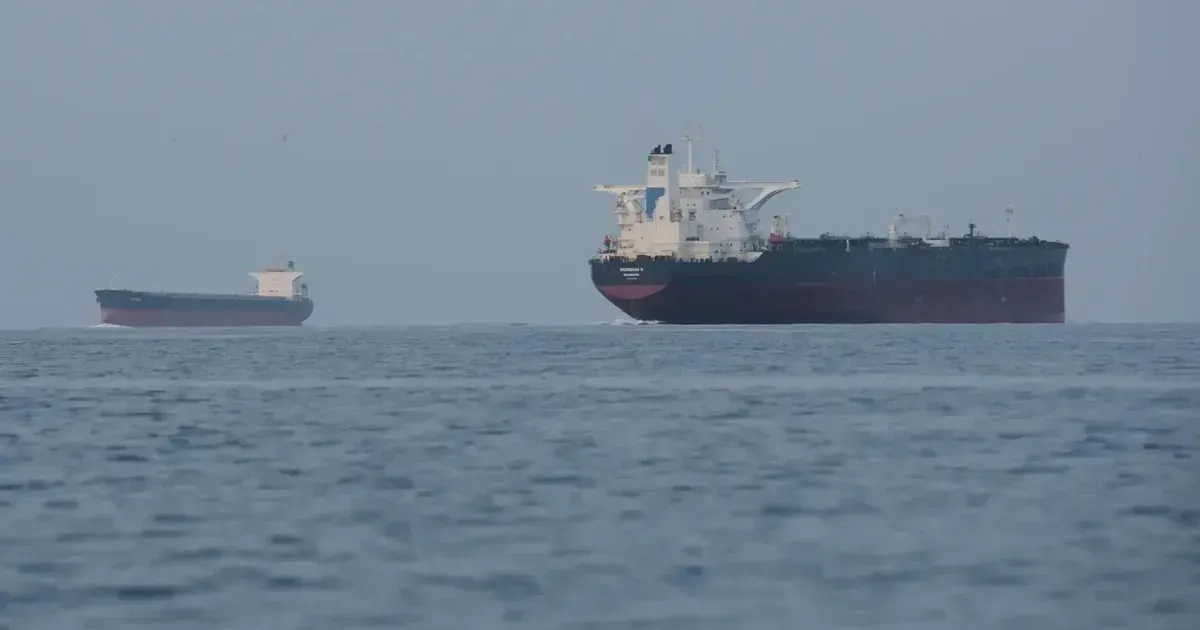
Iran’s seizure of two commercial vessels, including one bound for Gujarat, brings the Strait of Hormuz ceasefire into direct conflict with events on the water. Iranian naval forces seized two commercial vessels in the Strait of Hormuz on April 22, 2026, defying a standing ceasefire agreement and triggering a large naval mobilization by the United States. Iran accused the operators of endangering maritime security by attempting to transit the narrow waterway without proper authorization. Naval units from the Islamic Revolutionary Guard Corps took control of the ships in international waters. This action comes directly after diplomatic efforts to stabilize energy transit routes in the Persian Gulf. Commandos boarded the ships via helicopter and fast-attack craft before escorting them toward Iranian territorial waters. Intelligence reports suggest the vessels were detained for inspection regarding alleged violations of maritime safety protocols.
President Trump announced an indefinite extension of the ceasefire just hours before the interceptions occurred. National security officials in Washington now face a dilemma as they balance diplomatic promises with the physical security of global shipping lanes. Thousands of additional U.S. forces are currently deploying to the region to strengthen existing carrier strike groups. Iranian officials appear to be testing the resolve of the American administration despite the public commitment to non-hostility. Military planners have noted an increase in drone surveillance over the chokepoint. The seizure reflects a strategic decision by Tehran to maintain leverage over oil flow regardless of executive orders issued in Washington.
IRGC Intercepts Gujarat-Bound Cargo Vessel
One of the seized ships was navigating toward Mundra port in Gujarat, India, carrying critical industrial cargo. Indian authorities at the Ministry of External Affairs have requested immediate clarification regarding the status of the crew. Gujarat-bound shipping often relies on the Strait of Hormuz for the efficient delivery of energy products and manufactured goods. Islamic Revolutionary Guard Corps officials confirmed that both vessels are currently under their custody for further investigation. Previous incidents involving Indian-bound ships have already strained the relationship between New Delhi and Tehran. Mundra is a primary hub for Indian trade, making any disruption in the Gulf a direct threat to the regional economy.
Shipping logs indicate the vessels followed standard navigational channels before the interception. Iranian naval commanders argued the ships ignored multiple radio warnings to alter course. The Strait of Hormuz remains the world's most sensitive energy corridor, handling approximately 20 percent of global oil consumption daily. Disruption of this traffic immediately impacts refinery schedules across Asia. Crew members on the intercepted vessels include several Indian nationals. The Indian Navy has increased its presence in the Arabian Sea to monitor the situation closely.
"Iran's naval forces accused two ships of endangering maritime security by attempting to cross the Strait of Hormuz without authorization."
Documentation provided by the vessels did not satisfy the boarders from the Revolutionary Guard. Sailors reported the use of flash-bang grenades and small arms fire to secure the bridge during the initial boarding. No casualties were reported among the civilian crews during the operation. Local maritime monitors observed the ships being towed toward the Iranian coast. The lack of a clear timeline for their release has prompted international shipping firms to reconsider their route planning. Insurance premiums for transit through the Gulf have risen by 40 percent in the last 24 hours.
Panama Canal Congestion and Global Crude Rerouting
Refiners are now racing to reroute U.S. Gulf crude through the Panama Canal to avoid the volatility of the Middle East. This transition has created a logistical bottleneck that is driving up the cost of global energy distribution. Companies are paying a $4 million premium just to secure a crossing slot through the Panamanian locks. Such high costs are usually reserved for extreme weather events or structural failures in the canal system. Now, the fear of Iranian seizure has made these fees a standard part of the cost of doing business. Traders are prioritizing speed and safety over the cost-efficiency of traditional routes. This latest maritime seizure marks a significant escalation in the ongoing Hormuz Blockade orchestrated by Iranian leadership.
U.S. crude exports continue to rise as buyers in Europe and Asia seek alternatives to Persian Gulf supply. Logistics firms are struggling to find enough Suezmax tankers to handle the surge in Panama-bound traffic. Congestion at the canal entrance has resulted in a 14-day waiting period for unbooked vessels. Panama Canal Authority officials have increased the number of daily transit slots to accommodate the demand. Higher transit fees directly translate to increased prices at the pump for consumers in the Western Hemisphere. The shift in traffic patterns illustrates the fragility of current maritime infrastructure.
Trump Mobilizes Forces During Ceasefire Extension
Washington has responded to the seizure by accelerating the deployment of the USS Gerald R. Ford carrier strike group. Defense officials stated that the ceasefire extension was intended to provide a window for negotiations, not a license for Iranian aggression. Intelligence assets have detected increased activity at Iranian missile sites along the coast. American commanders are authorized to use force if commercial shipping is directly threatened. The influx of troops includes specialized marine expeditionary units capable of rapid boarding operations. Deterrence remains the primary goal of the Pentagon despite the provocative actions of the IRGC.
Regional allies in the Gulf have expressed concern over the potential for a wider conflict. Saudi Arabia and the United Arab Emirates have placed their own naval forces on high alert. Communication channels between the Pentagon and the Iranian Ministry of Defense are currently inactive. Diplomatic sources in Zurich have attempted to enable a dialogue, but neither side has shown a willingness to compromise. The U.S. Navy has started escorting some tankers through the Strait to prevent further seizures. These escorts consume substantial fuel and personnel resources on a daily basis.
Indian Economic Interests Face Hormuz Blockade
India's reliance on the Mundra port for energy security makes the current blockade particularly damaging. Refineries in Gujarat process a significant part of the crude oil used for domestic consumption and export. Government officials in New Delhi have maintained a neutral stance but are under pressure to protect Indian citizens at sea. The seizure of the Gujarat-bound ship is seen as a direct hit to the 'Make in India' manufacturing initiative. Local industries depend on the timely arrival of raw materials from the Middle East. Any prolonged closure of the Strait would force India to tap into its strategic petroleum reserves.
Energy analysts predict that a total blockade would lead to a global recession within months. Markets are already pricing in the risk of a long-term disruption. Indian shipping companies have issued advisories to their fleets to stay clear of Iranian territorial waters. The Islamic Revolutionary Guard Corps continues to patrol the shipping lanes with dozens of fast-attack boats. Mundra port officials are coordinating with the coast guard to secure arriving vessels once they exit the Arabian Sea. Economic stability in South Asia is now tied to the outcome of this maritime standoff.
Iran Seizures Test Maritime Leverage
Reliance on paper-thin truces in the Persian Gulf has reached its logical, chaotic conclusion. Washington continues to offer the carrot of ceasefire extensions while Tehran effectively wields the stick of maritime blockade, proving that diplomatic overtures without credible enforcement are functionally useless. The IRGC understands that the global economy is their primary hostage. By seizing a ship bound for India, they are not just poking the American eye; they are testing the endurance of the emerging multipolar order. If the U.S. Navy cannot guarantee the safety of the world's most essential energy artery, the very foundation of maritime law collapses.
Will the Biden-era leftovers in the current administration actually authorize kinetic force, or will they watch as $4 million Panama premiums become the new tax on Western weakness? The disparity between the ceasefire rhetoric and the reality of commandos on the deck of a tanker is a gap Iran is happy to exploit. India, for its part, must decide if its strategic autonomy is worth the cost of its energy security. Waiting for a phone call from Washington to resolve the fate of a ship bound for Mundra is a position of subordination.
The era of the open ocean is ending. It is being replaced by a series of fortified toll booths controlled by those willing to fire first. Chaos is the new status quo.