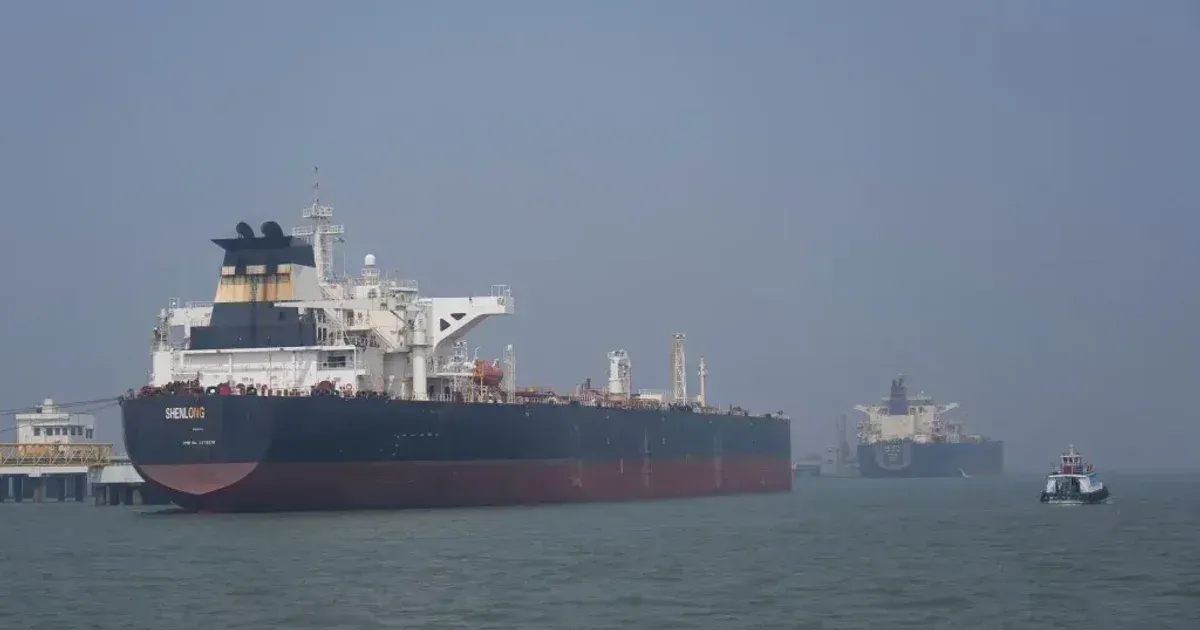
The reopening of Hormuz shifted attention from naval pressure to truce durability. The move matters because energy markets respond quickly to any sign of safe passage. Diplomats are watching whether Lebanon and Iran-linked actors sustain the pause. Israel and Lebanon formally implemented a ceasefire on April 17, 2026, temporarily halting hostilities and immediately affecting global energy corridors. Seyed Abbas Araghchi, the Iranian Foreign Minister, confirmed that the Strait of Hormuz is now completely open for maritime traffic during the truce period. Iranian officials linked the security of the critical shipping lane directly to the 10-day window of peace established along the Israeli-Lebanese border. Donald Trump reacted to the news by thanking Iran for the gesture, noting a meaningful drop in oil prices within hours of the announcement.
Ceasefire terms mandate a ten-day pause in active combat, providing a brief reprieve for civilians caught in the crossfire of the northern front. Israel and Hezbollah militants agreed to the temporary halt, though the underlying tensions between the two entities persist without a long-term resolution. Hezbollah leaders acknowledged the agreement but explicitly declined to guarantee strict compliance for the entire duration. Instead, the group instructed displaced residents in southern Lebanon to avoid returning to their homes until further notice. Security analysts suggest this indicates a lack of confidence in the longevity of the current arrangement.
Hezbollah remains a central figure in the conflict, operating with considerable autonomy despite the overall influence of Tehran. The group’s statement focused on the logistical challenges of the 10-day period rather than a permanent commitment to disarmament or withdrawal. Displaced families face an unstable wait as military observers monitor the border for any signs of movement or ceasefire violations. Ibrahim Amro captured images of the quieted battlefields, illustrating the sudden absence of the artillery fire that characterized the previous months of engagement.
Hezbollah Compliance and Civilian Displacement
Lebanese authorities expressed cautious optimism as the first full day of the truce passed without major kinetic activity. Despite the official pause, the humanitarian crisis in the south remains acute. Thousands of residents reside in temporary shelters, their return blocked by the militant group’s warnings about unexploded ordnance and the potential for a sudden resumption of strikes. Hezbollah officials did not specify the conditions under which they would permit citizens to reoccupy abandoned villages.
Israel maintains a high state of readiness along its northern frontier, keeping mechanized divisions in place to deter any opportunistic incursions. Military spokespeople confirmed that defensive postures will not change during the cessation of fire. Because the agreement lacks a third-party enforcement mechanism, both sides rely on a fragile balance of mutual deterrence. This reliance creates an environment where even a minor tactical misunderstanding could lead to a collapse of the peace efforts before the ten days expire.
Neither side has indicated a willingness to transition this temporary measure into a permanent treaty.
Global Maritime Security and Oil Market Impacts
Economically, the most meaningful consequence of the Lebanon truce is the lifting of the Iranian blockade in the Persian Gulf. Seyed Abbas Araghchi announced on Friday that ships may pass through the Strait of Hormuz without interference from the Islamic Revolutionary Guard Corps. Iranian naval assets had previously restricted access, driving up insurance premiums and rerouting global supply chains. When the announcement reached trading floors, crude futures plummeted, eventually settling near $68 per barrel as the perceived risk of a regional energy war subsided.
Shipping conglomerates like Maersk and Hapag-Lloyd began recalculating routes to take advantage of the reopened passage. Historically, the Strait of Hormuz handles roughly one-fifth of the world’s daily oil consumption. Iran’s decision to tie the lane’s accessibility to the Israeli-Lebanese ceasefire demonstrates a sophisticated use of economic leverage. By opening the waterway, Tehran encourages international pressure on Israel to maintain the truce, as any resumption of fighting could trigger a secondary energy shock.
Maritime security firms cautioned that the opening is conditional and may be revoked without warning.
Traders across the Atlantic monitored the situation with intense scrutiny, looking for signs that the volatility might return. Energy markets are sensitive to the rhetoric coming out of Tehran, where the foreign minister emphasized that the Strait is open only for the remaining period of the ceasefire. The connection between Levantine land borders and Persian Gulf waters highlights the integrated nature of the modern Middle Eastern conflict. Logistics experts warned that a 10-day window is barely enough time for a single tanker to transit the region and offload cargo at distant ports.
Diplomatic Reactions and the Hormuz Declaration
Donald Trump used social media to claim credit for the cooling of tensions, asserting that his administration’s pressure tactics paved the way for the Iranian concession. He specifically thanked Iran for the Hormuz decision, a move that surprised some traditional allies in the region.
“The Strait of Hormuz is declared completely open for the remaining period of the ceasefire,” Araghchi said during a televised address.This statement was the primary catalyst for the diplomatic shift that occurred throughout the day.
Washington’s role in the negotiations was primarily focused on preventing a wider escalation that would draw in regional powers. While the White House projects an image of successful mediation, critics point out that the temporary nature of the deal leaves the core issues of Hezbollah’s arsenal and Israeli security unaddressed. International observers from the United Nations are currently limited in their ability to verify compliance due to the short timeframe and the volatile security environment. Diplomats in Brussels and London welcomed the drop in oil prices but remained skeptical of Iran’s long-term intentions regarding maritime law.
Iranian strategy appears focused on providing immediate economic relief to global markets to buy time for its regional proxies to regroup. Hezbollah requires this window to replenish supplies and reorganize command structures after sustaining heavy losses during the preceding weeks. Simultaneously, Israel utilizes the pause to rotate frontline troops and perform maintenance on missile defense systems. Every hour the ceasefire holds is an hour used by both militaries to prepare for the possibility that the eleventh day brings a return to total war.
Hormuz Reopening Tests the Truce
Does a ten-day pause in hostilities constitute a genuine de-escalation or only a logistical reset for the next phase of attrition? Skepticism is the only rational response to an agreement that hinges on the whims of a militant proxy and a regime in Tehran that uses global energy security as a bargaining chip. Iran is not acting out of a sudden desire for regional harmony. Instead, it is conducting an exercise in economic blackmail by holding the Strait of Hormuz hostage to the survival of Hezbollah’s tactical positions in southern Lebanon. By linking these two geographically distinct theaters, Iran has effectively forced the international community to choose between affordable gas prices and the long-term security of the Israeli border.
The temporary opening of the Strait is a tactical feint.
Trump’s public gratitude toward Iran might play well with voters worried about inflation, but it validates a dangerous precedent where a sovereign state can block international waters to protect its non-state actors from military consequences. If the Strait re-closes on the eleventh day, the world will realize that this reprieve was never about peace, but about the procurement of leverage. The evidence shows a strategic pause designed to allow Hezbollah to dig in while the West celebrates a hollow victory at the gas pump. The cost of this cheap oil will eventually be paid in the currency of a much wider, more entrenched regional conflict. A brief silence is not peace.