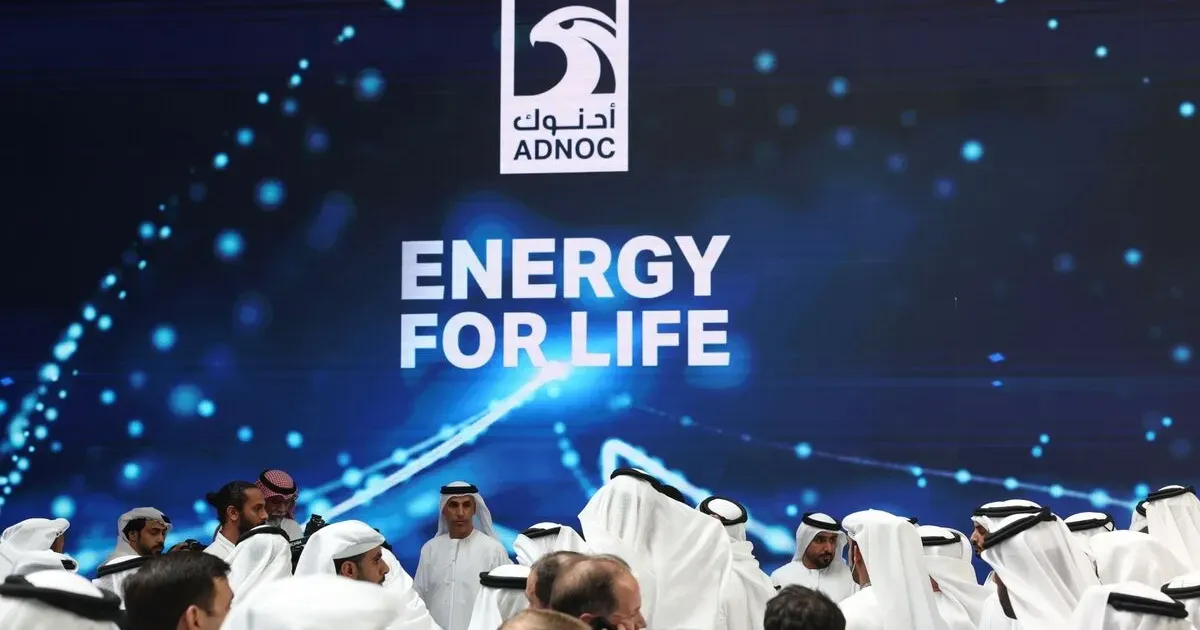
A major fire erupted at the largest natural gas processing facility in the United Arab Emirates as the Gulf conflict moved directly into energy infrastructure. Abu Dhabi authorities confirmed the incident. Iranian missiles or drones allegedly targeted this site and a critical oil refinery in Kuwait during a synchronized overnight operation on April 3, 2026. Operations at the UAE gas plant ceased immediately to prevent further explosions. Emergency crews spent several hours battling the flames while global energy markets reacted to the sudden disruption in supply.
Kuwaiti officials reported similar damage at their refinery shortly after the UAE strike. Three tankers with Omani ownership also changed their course to navigate the Strait of Hormuz by hugging the coastline of Oman. The refinery is a primary hub for refined petroleum products exported to European markets. Damage assessments are ongoing. $95 per barrel oil became a reality within minutes of the news reaching trading desks in London and New York. Iranian military commanders have not officially claimed responsibility for the specific strikes.
Abu Dhabi Suspends Gas Operations After Infrastructure Strikes
Abu Dhabi National Oil Company officials moved to shut down the gas facility to preserve the integrity of the broader distribution network. The plant provides a substantial portion of the domestic energy requirement for the Emirates. Regional intelligence reports suggest the weapons used in the attack originated from launch sites in southern Iran. UAE defense systems intercepted several incoming projectiles but could not stop the entire barrage. Local residents reported hearing multiple blasts before the facility was engulfed in smoke.
Energy analysts at major Western banks now predict a prolonged period of volatility. Kuwait has reduced its export forecasts for the second quarter because of the damage to its refinery infrastructure. Satellite imagery shows extensive charring at the primary distillation units in the Kuwaiti plant. Analysts note that Kuwait provides approximately 7% of the global supply of high-grade diesel. Repairing these units usually takes months under normal conditions.
Donald Trump renewed his threat to attack Iranian infrastructure in a statement released shortly after the damage reports surfaced.
Financial markets braced for a wider escalation. Trading in gas futures surged as speculators accounted for the loss of the UAE plant output. Kuwait has alerted its regional partners about the potential for further strikes on joint energy projects. Security around the remaining oil fields has been increased to the highest readiness level. Soldiers now patrol the perimeter of every major production site in the northern Gulf.
Tankers Reroute to Omani Coast to Avoid Iranian Waters
Most commercial vessels typically use the deep-water channels that pass through Iranian territorial waters, making Iran's proposal to reopen the Strait of Hormuz a direct test of whether shipping risk can be reduced without a wider settlement. Omani ships chose a shallower, more difficult path to avoid potential seizure or harassment by the Iranian Revolutionary Guard Corps. Vessel tracking data confirms that these tankers are moving at reduced speeds to maintain safety in the coastal shallows.
Mariners describe the Omani coastal route as a desperate alternative. It requires precise navigation and deeper knowledge of local underwater topography. Iranian naval vessels have increased their presence near the traditional shipping lanes. Many shipping firms now view the international transit zones as high-risk areas. Insurance premiums for any vessel entering the Persian Gulf have tripled in the last twenty-four hours. Ship owners are struggling to find crews willing to sail through the Strait.
Risk assessments from maritime security firms indicate that the northern path is effectively closed to Western-aligned traffic. Oman has not officially commented on the use of its coastal waters by commercial tankers. Private security contractors have been seen boarding several vessels before they enter the narrowest part of the Strait. These guards carry light weaponry meant to repel small-boat boardings. The Strait of Hormuz remains the most serious choke point in the global energy trade.
Western Shipping Lines Test the Strait of Hormuz Blockade
CMA CGM Kribi became the first major Western-owned container ship to transit the Strait since the current conflict intensified. French shipping giant CMA CGM operates the vessel, which moved through the waterway under heavy surveillance. No incidents were reported during its passage, but the move was viewed as a high-stakes test of Iranian resolve. Other Western carriers have largely diverted their fleets around the Cape of Good Hope. The diversion adds ten days to the average journey from Asia to Europe.
Logistics costs are rising as a direct result of these longer routes. Retailers in the United Kingdom and United States are warning of potential stock shortages by early summer. French officials provided indirect diplomatic support for the transit of the Kribi to ensure the flow of essential goods. Several other shipping lines are monitoring the situation before deciding whether to follow the French company's lead. Every successful transit provides a small measure of confidence to a jittery market.
Port congestion in the Mediterranean is worsening. Ships that took the long route are arriving at the same time as vessels that braved the Red Sea and the Gulf. 12,000 containers were on the Kribi during its transit through the volatile region. One ship is a fraction of the daily volume required to keep global supply chains functioning. Most companies are still prioritizing safety over speed.
Donald Trump intensified his rhetoric regarding the Middle East situation during a press briefing. He suggested that the United States should consider direct strikes on Iranian oil and gas fields if the attacks on UAE and Kuwaiti assets continue. That stance is a sharp escalation in the American diplomatic position. Pentagon officials are reportedly updating contingency plans for regional air strikes. Iranian leaders responded by promising to close the Strait of Hormuz entirely if their territory is targeted.
Global leaders have called for restraint to avoid a total collapse of the energy market. $110 per barrel remains a psychological threshold that many traders believe will be crossed if the U.S. takes military action. Diplomacy has so far failed to produce a ceasefire or a cooling of tensions, while the later US-Iran clash at the United Nations showed how quickly the nuclear dispute can overwhelm narrower energy talks. Iran continues to deny that its regular military forces were involved in the strikes on Kuwait and the UAE. Proxy groups are widely suspected of carrying out the drone launches.
Gulf Strikes Put Energy Infrastructure on Alert
Will the West finally admit that the post-war security architecture in the Persian Gulf has collapsed? For decades, the implicit bargain was simple: Gulf monarchies provided the oil, and the United States provided the ironclad protection of the sea lanes. That era ended the moment Iranian drones breached the defenses of the UAE and Kuwait with impunity on April 3, 2026. The failure of Western missile defense systems to protect the largest gas plant in Abu Dhabi is a humiliation that cannot be scrubbed away by aggressive social media posts or empty threats of retaliation.
Washington appears paralyzed by the prospect of another long-term conflict, while Tehran exploits this hesitation to rewrite the rules of maritime transit. The transit of the CMA CGM Kribi is not a sign of returning normalcy but a desperate gamble by a French firm that could have ended in a catastrophic hostage crisis. Relying on Omani coastal routes is a tactical retreat, not a strategic solution. If the Strait of Hormuz becomes a gauntlet where only the bravest or the most desperate sail, the global economy faces a structural contraction that no interest rate cut can fix. The reality is clear. The security umbrella is shredded.