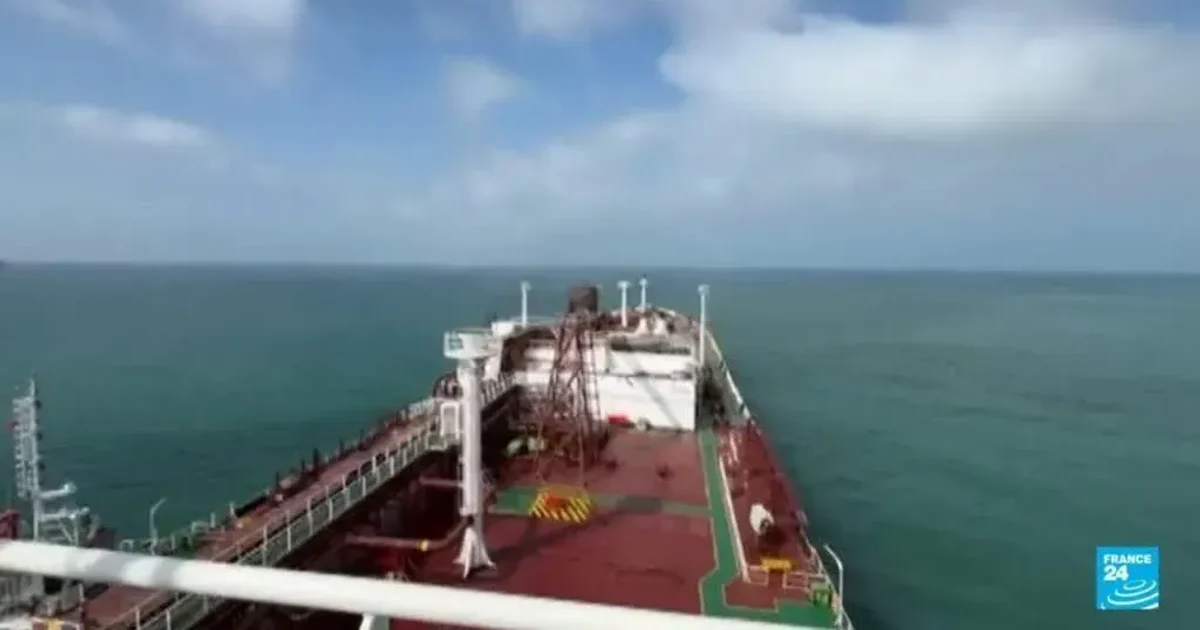
On April 4, 2026, friction across the Middle East rose sharply as Iranian officials issued a formal warning to the United Nations Security Council. High-stakes diplomacy in New York collided with a kinetic military crisis in the Persian Gulf, where search teams continued to scour the water for a missing American service member. Intelligence reports suggest that the missing pilot disappeared after two US planes crashed during a routine patrol near the Iranian coast. Search and rescue operations remain the immediate priority for naval commanders stationed in the region. The warning brought the Strait of Hormuz dispute back to the Security Council.
Regional tensions increased following the news that a planned vote on a draft resolution regarding the Strait of Hormuz had been abruptly postponed. Diplomatic sources in New York indicated that the delay occurred only after Tehran delivered a stern message to the international body. Iranian representatives characterized the proposed resolution as a series of provocative actions that would destabilize the world's most critical energy corridor. Current maritime data shows that more than 20% of global petroleum liquids pass through this narrow waterway every day.
Naval Search Intensifies in the Persian Gulf
Specialized recovery teams deployed from the USS Abraham Lincoln carrier strike group to locate the missing crew member. Flight operations in the area halted briefly to prioritize the search, which involves multiple MH-60R Seahawk helicopters and several littoral combat ships. Weather conditions in the Gulf remained favorable during the early hours of the operation, though visibility fluctuated due to localized dust storms blowing off the Arabian Peninsula. Military officials have not yet released the names of the pilots involved in the midair incident.
Reports from Reza Sayah, a veteran correspondent based in Tehran, confirmed that Iranian authorities are monitoring the search efforts closely from their coastal installations. Iranian state media emphasized that any violation of their territorial waters during the recovery mission would prompt a swift response. Despite the tension, no direct skirmishes between US and Iranian naval assets have been reported since the crash occurred. Surface temperatures in the search zone reached 95 degrees Fahrenheit by midday.
Observers noted that the crash took place during a period of heightened surveillance by Western powers. US Central Command has increased the frequency of aerial patrols to monitor Iranian Revolutionary Guard Corps naval movements. Iranian fast-attack craft have frequently approached commercial tankers in the shipping lanes over the past month. These interactions often occur within the 21-mile-wide chokepoint of the strait.
Diplomatic Gridlock Paralyzes United Nations Voting
Diplomatic efforts at the United Nations headquarters in Manhattan reached a standstill on the afternoon of April 4, 2026. The draft resolution aimed to establish a permanent international maritime monitoring force within the strait to protect commercial shipping. Supporters of the measure argued that a multilateral presence would deter piracy and state-sponsored interference. Opponents, led by the Iranian delegation, argued that the measure constitutes an illegal infringement on regional sovereignty. Security Council members decided to delay the vote to avoid a certain veto from permanent members.
Ambassadors from the E3 nations, which include France, Germany, and the United Kingdom, expressed disappointment with the postponement. They argued that the safety of international trade relies on the predictable enforcement of maritime law. Iran, by contrast, maintains that the presence of foreign navies is the primary cause of instability in the region. Recent communications from the Iranian Foreign Ministry described the resolution as a Western attempt to militarize international trade routes. The legal status of the strait remains a point of contention under the UN Convention on the Law of the Sea.
Economic Vulnerabilities of Global Energy Corridors
Market analysts focused on the potential for price spikes if the diplomatic gridlock continues. Approximately $2.4 trillion worth of oil and liquefied natural gas moves through the Strait of Hormuz annually, making it the most sensitive chokepoint in the global economy. Crude oil futures in London and New York rose by 3% within minutes of the announced vote delay. Traders worry that a prolonged naval standoff will lead to a sharp increase in maritime insurance premiums. Lloyds of London previously listed the Persian Gulf as a high-risk area for shipping operations.
Shippers are already considering alternative routes to avoid the potential for vessel seizures. Some companies have redirected tankers around the Cape of Good Hope, a move that adds twelve days to a standard voyage from the Persian Gulf to Europe. This logistics shift increases fuel costs and strains the global supply chain for petroleum products. Refineries in Southeast Asia are particularly vulnerable to disruptions in this specific waterway. Asian markets depend on the strait for nearly 80% of their crude oil imports.
Port authorities in the United Arab Emirates and Saudi Arabia reported a slight decrease in outbound traffic on April 4, 2026. Several major shipping conglomerates ordered their vessels to remain in port until the security situation clarified. Intelligence from maritime security firms suggests that the threat of limpet mine attacks persists in the waters off Fujairah. These concerns are supported by satellite imagery showing increased activity at Iranian naval bases in Bandar Abbas. Port operations in the region are operating at 70% capacity.
Strategic depth for the US Navy in the Persian Gulf is physically limited by the geography of the seabed. Large aircraft carriers must stick to specific deep-water channels, making them predictable targets for shore-based anti-ship missiles. Iran possesses a vast arsenal of Noor and Ghadir missiles capable of striking targets across the entire width of the strait. These systems are often hidden in hardened silos along the rugged coastline of the Hormozgan Province. Tactical advantages in such narrow waters often favor the side with smaller, more numerous coastal assets.
Electronic warfare capabilities also play a significant role in the current escalation. Both US and Iranian forces have deployed jamming technology to disrupt drone reconnaissance and satellite communications. This technological friction complicates the search for the missing pilot by interfering with distress beacon signals. Search teams are forced to rely on visual confirmation and sonar pings rather than automated GPS tracking. Military analysts believe that electronic interference may have contributed to the initial aircraft collision. Radar logs from the afternoon showed multiple unidentified signals in the area.
Coastal defense batteries near the city of Qeshm have been placed on high alert. Sources within the region report that mobile missile launchers moved into firing positions shortly after the US aircraft went down. This mobilization is a standard response to foreign military activity near Iranian borders. Washington has not issued a formal comment on the status of its rules of engagement in the gulf. Naval vessels in the area are maintaining a five-mile buffer zone from the Iranian maritime border.
Security Council Vote Leaves Hormuz Unsettled
The Security Council warning keeps Hormuz in diplomatic limbo. A vote may clarify international pressure, but it will not by itself remove the shipping risk that traders and naval planners are pricing in.