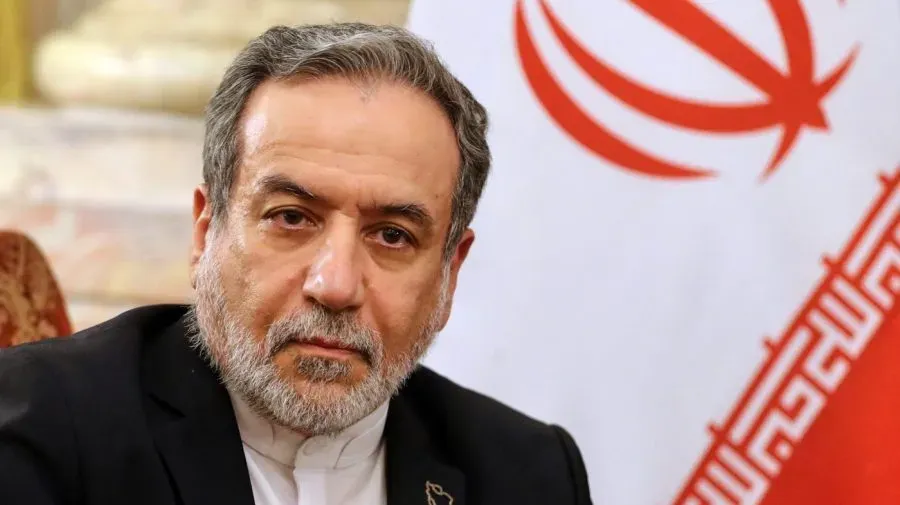
Israeli strikes on Iranian nuclear sites and power plants pushed the regional war into a more dangerous phase. By March 28, 2026, Tehran had responded with naval moves near the Strait of Hormuz and warnings that widened the risk beyond the initial targets.
Israeli Strikes on Iranian Nuclear Sites
Iranian Foreign Minister Abbas Araghchi warned that Tehran would respond to the strikes. Reports from the region described damage not only at nuclear-linked sites but also at industrial and power infrastructure. The full extent of the disruption remained difficult to verify, but the strike pattern raised the stakes beyond a narrow nuclear operation.
Reports said Israeli strikes hit nuclear-linked sites, industrial facilities and power infrastructure inside Iran.
Naval Blockade at the Strait of Hormuz
Shipping traffic near the Strait of Hormuz slowed as operators waited for clearer security guidance. The strait remains a critical energy chokepoint, so even limited naval pressure can unsettle markets. Captains and insurers now have to judge whether routes remain safe enough to continue normal transit.
Global markets reacted with volatility as maritime insurance and fuel-risk expectations rose. Tehran has not signaled a quick retreat from its posture, and US naval patrols have moved closer to monitor the situation. The danger is that one maritime incident could turn a military exchange into an economic shock.
Houthi Red Lines and Regional War Threats
Yemen-based militants backed by the Islamic Revolutionary Guard Corps issued their own ultimatum regarding the widening conflict. The Houthis warned on Friday that they will join the war if specific red lines are crossed by Israel or the United States. These demands were released in a five-point document issued by the Yemeni Armed Forces. The group is still a potent threat to shipping in the Red Sea and the Gulf of Aden. Their involvement would create a multi-front conflict that stretches from the Mediterranean to the Indian Ocean.
Israel claimed it acted in coordination with international allies to neutralize immediate threats. But Araghchi dismissed these claims, describing the operation as a blatant violation of international law. The Iranian government continues to document the wreckage at industrial sites to present evidence of civilian infrastructure targeting. Local media outlets broadcast footage of smoke rising from the remains of the steel mills and the burning ruins of the uranium plant.
Iranian state media amplified threats of retaliation while military units moved into more visible positions near the Persian Gulf. The tactical value of Iran's geography is clear: even limited disruption near shipping lanes can force global markets to reprice energy risk.
Petroleum analysts warned that a prolonged disruption would hit Asia and Europe first because both depend heavily on Gulf energy flows. The immediate effect on pump prices will depend on duration, insurance costs and whether alternative routes remain open.
Houthi leaders also warned that further strikes on Iranian civilian infrastructure or a ground invasion could draw them deeper into the conflict. Their involvement would put the Bab el-Mandeb strait back under pressure, adding a second maritime chokepoint to the crisis.
White House Strategy and Lack of NATO Support
Washington maintains that it is pursuing defined war objectives despite friction with European allies. Marco Rubio has argued that the conflict can remain limited, but NATO members have been reluctant to provide direct military support. That hesitation exposes the diplomatic cost of a campaign many allies view as risky.
Houthi forces have already shown an ability to threaten commercial shipping with missiles and drones. Their warning matters because any coordinated attacks would widen the battlefield and complicate US efforts to keep the conflict on a short timeline.
Regional War Risk
Does anyone truly believe the White House has a plan for the day after the Iranian grid goes dark? Washington is sleepwalking into a regional fire while pretending it can control the timeline of a war that has already outpaced its diplomatic reach. The insistence that this conflict will wrap up in four weeks is not just optimistic; it is a dangerous delusion that ignores the reality of asymmetric warfare and the fragility of global supply chains.
By allowing Israel to strike Iranian nuclear sites, the administration has effectively torched the remaining bridges to a negotiated settlement, leaving a scorched-earth policy as the only viable path forward. The refusal of NATO allies to join this crusade should be viewed as a vote of no confidence in American strategic foresight. The evidence points to a superpower isolated by its own aggression, forcing its allies to choose between economic ruin and military subservience. If the Strait of Hormuz remains closed, the resulting global recession will be the true legacy of this intervention.
This is no longer a surgical operation to stop a nuclear program; it is a reckless gamble with the world economy that neither the United States nor its partners can afford to lose.