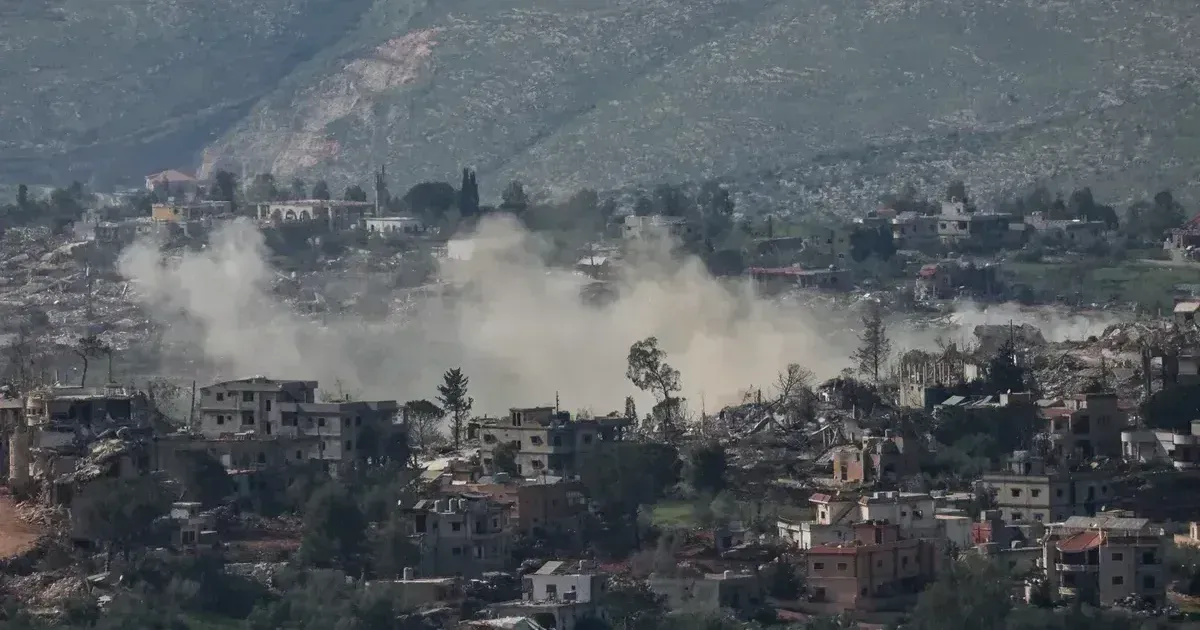
Israeli military operations targeted multiple vehicles in southern Lebanon on Wednesday, leaving a trail of destruction across several transit routes. The strikes raised immediate concern among Lebanese emergency officials. The strike report sharpened doubts about whether the ceasefire is restraining violence on the ground. Local responders now face the practical consequences of that gap. The Lebanese Ministry of Public Health confirmed on May 13, 2026, that at least 12 people lost their lives during the coordinated offensive. Two children and one woman were among those identified in the initial casualty reports released by medical authorities in Beirut.
Seven separate cars became targets in a series of strikes that stretched across the region south of the Lebanese capital. Witnesses described a rapid succession of aerial hits that left vehicles incinerated on major roadways. Identification efforts for some victims progressed slowly due to the severity of the damage at the blast sites.
The Ministry of Public Health in Lebanon continues to monitor the situation as emergency crews reach the impacted zones. Medical teams initially struggled to access specific routes while military activity persisted in the surrounding airspace. Recovery efforts expanded throughout the afternoon to include the retrieval of remains from wreckage scattered across the southern governorates.
Seven vehicles were struck in independent actions, signaling a wide geographical spread of the day's operations. This scale of targeting suggests a high level of surveillance and coordination from Israeli forces. Each strike focused on individual cars rather than large convoys or fixed military installations.
Civilian Impact and Casualty Reports
Health officials said the death toll included people caught in the path of the missiles. One woman and her two children died when their vehicle was hit during the barrage. The ministry highlighted these deaths to show the high human cost of the current escalation in the south.
Emergency responders from the Lebanese Red Cross arrived at several scenes to find vehicles completely engulfed in flames. These teams worked under the constant sound of surveillance drones circling above the impact zones. Local hospitals in Sidon and Tyre received the first wave of casualties shortly after the initial reports of the strikes began to circulate.
The Ministry of Public Health said 12 people, including children, had died in the recent strikes targeting transport vehicles in the south.
Families began gathering at regional medical centers to identify relatives who had been traveling the routes between Beirut and the southern villages. Uncertainty persisted for several hours as authorities matched names with the wreckage found at the seven distinct locations. The psychological toll on the local population increased as news of the children's deaths spread through social media channels.
Beirut-based analysts noted that the targeting of private vehicles is a shift in the visibility of the conflict. Residents now face severe risks when using primary highways that were once considered relatively safe for civilian transit. Security protocols for NGOs and international observers in the region are currently under review given these developments.
Precision Tactics on Transport Corridors
Israeli forces employed precision-guided munitions to strike the moving targets with high accuracy. The use of such technology typically aims to minimize collateral damage, yet the inclusion of children in the death toll raises urgent questions regarding the intelligence used for these operations. Each strike appears to have been a deliberate action against a specific vehicle in motion.
The Lebanese government has expressed outrage over the strikes on civilian infrastructure and transport. Officials in Beirut argue that the repeated targeting of cars disrupts the basic movement of people and essential goods within the country. Logistics networks for food and fuel are now facing delays as drivers hesitate to traverse the southern routes.
Military observers point out that striking seven cars in separate locations requires an enormous investment of aerial assets and intelligence processing. Strikes were not a single burst of violence but a sustained operation that lasted for several hours. This persistent presence of aircraft indicates a high priority placed on these specific targets by the Israeli command.
Lebanon's medical infrastructure is already strained, and the influx of trauma cases from these airstrikes adds additional pressure to provincial clinics. Doctors in the region reported that the nature of the injuries was consistent with high-temperature explosions and shrapnel impact. Blood banks in southern Lebanon issued urgent calls for donors to replenish supplies used during the afternoon's emergency response.
Vehicle Strikes Blur the Line Between Military and Civilian Transit
The decision to strike seven independent vehicles south of Beirut shifts the conflict into a more volatile phase where the distinction between military and civilian transit becomes dangerously blurred. The pattern of aerial bombardment suggests that intelligence assets are identifying targets deep within Lebanese territory, far beyond the immediate border zone. The inclusion of children among the dead could provide local groups with a stronger argument for retaliation against Israeli interests.
If these precision strikes continue to result in high civilian fatalities, the pressure on the Lebanese government to coordinate more directly with regional allies will likely intensify. The targeting of transit corridors effectively creates a soft blockade on the southern provinces, forcing a reevaluation of how civilians move through the country. The disruption extends beyond tactics; it serves to isolate southern communities and increase the humanitarian burden on a nation already struggling with an economic crisis. The strategic verdict depends on whether these operations successfully degrade specific threats or if they primarily serve to expand the front line of an increasingly uncontained regional war.