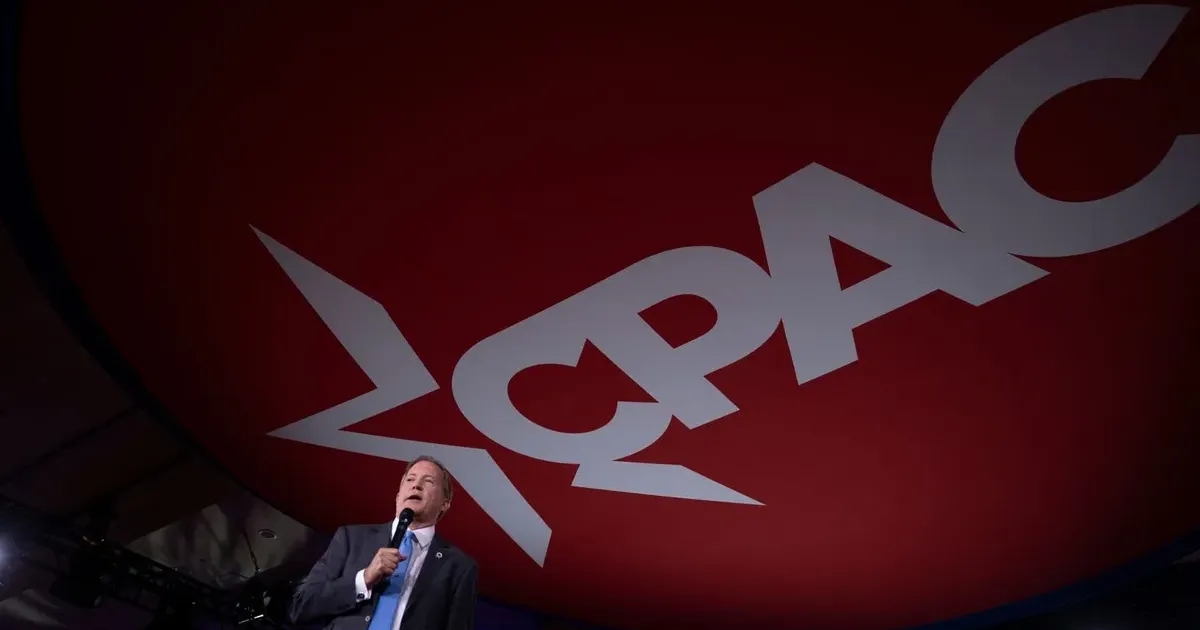
JD Vance's CPAC straw poll victory gives him a clear activist signal, but it should not be treated as a national primary result. The poll result matters because CPAC enthusiasm can shape donor and activist attention long before primary voting. Inside the conservative movement, early enthusiasm often becomes a test of organization. The Texas conference vote reported on March 29, 2026, put Vance at 53 percent among more than 1,600 participants, with Marco Rubio second at 35 percent.
That margin matters because CPAC attendees are not passive observers. They include donors, organizers, local activists and media-facing conservatives who can shape early momentum. The same sample also has limits. A straw poll measures the preferences of a self-selected conference audience, not the broader Republican electorate.
Both points can be true at the same time: Vance received a strong signal from a high-intensity audience, and the result still needs careful interpretation.
Vance Consolidates the Activist Lane
Vance's appeal at CPAC rests on a version of conservatism that emphasizes borders, trade, domestic manufacturing and skepticism toward open-ended foreign commitments. In that environment, his position as vice president gives him visibility and a claim to continuity with the party's current governing identity. The 53 percent result suggests that many activists see him as more than a surrogate. They view him as a potential standard-bearer for the next cycle. That is a meaningful advantage in a party where early organizational energy can narrow the field before ordinary voters fully engage.
Still, activist enthusiasm does not automatically transfer to every primary state.
Rubio Shows the Old Debate Is Not Gone
Rubio's 35 percent showing complicates the idea of total consolidation. His support indicates that a sizable faction still values conventional foreign-policy experience, alliance management and a more assertive posture toward global adversaries.
The contrast with Vance was clearest on questions of American power abroad. Vance's camp favors restraint and domestic focus. Rubio's supporters argue that U.S. leadership and military readiness remain essential to deterring rivals. The dispute is ideological, not merely personal. That debate mattered because Iran war fallout, Israel and the future of U.S. intervention were central topics at the conference. Activists appeared to favor Vance's framework, but Rubio's total shows the older Republican foreign-policy language still has an audience.
Straw Polls Shape Narratives
Conference organizers used the numbers to push back against claims of Republican division. There is some basis for that message: the top two candidates together captured a large share of the vote, and both sit within the party's governing coalition.
But unity should not be overstated. A strong straw poll can create momentum, attract donors and influence media coverage, yet it does not resolve candidate quality, state-by-state organization, ballot access or general-election appeal.
The editorial read is that Vance now owns the activist narrative until another candidate disrupts it. Rubio remains viable as the clearest alternative for conservatives who want a more traditional foreign-policy posture. The CPAC vote did not decide 2028, but it clarified which argument is currently winning inside the room.
Organization Converts Polling Into Power
The next question is whether Vance's support can be converted into durable organization. Straw poll enthusiasm helps a candidate dominate a news cycle, but campaigns are built through state chairs, donor networks, ballot rules, volunteer lists and disciplined message repetition. Rubio's path would require proving that his coalition is broader than the CPAC minority. He would need voters who like the party's populist energy but remain uneasy about retreating from traditional alliances. That is a harder argument inside activist spaces, yet it may have more room in states where national security credentials still matter.
Vance's advantage is that he currently owns the simpler message. He can argue that the base has already moved and that rivals are asking it to return to an older consensus. Rubio's counter is that governing a superpower requires more than rejecting past interventions.
The poll sharpened that contrast. It did not end the contest, but it made clear that any Republican challenger now has to answer Vance's theory of the party before selling an alternative future. The sample also explains why campaigns care about events like CPAC even when pollsters warn against overreading them. A candidate who wins activists can earn volunteer labor, small-dollar fundraising bursts and favorable coverage in conservative media. Those advantages do not guarantee nomination, but they can shape the field before less-engaged voters make decisions. Vance's number gives him that early narrative. Rubio's number gives his supporters evidence that the debate is not closed. The next phase will show whether either camp can move beyond conference symbolism and build the kind of state-level operation that survives debates, donor pressure and unexpected rivals. That makes the Texas result a marker rather than a verdict. It identifies the current activist preference, frames the foreign-policy argument and sets the standard every other contender will have to challenge. For now, that gives Vance leverage with activists and donors. Rubio's task is to turn second place into a case for breadth rather than a sign that his wing is shrinking. Both arguments will matter once the contest moves from conference ballots to state organizations.