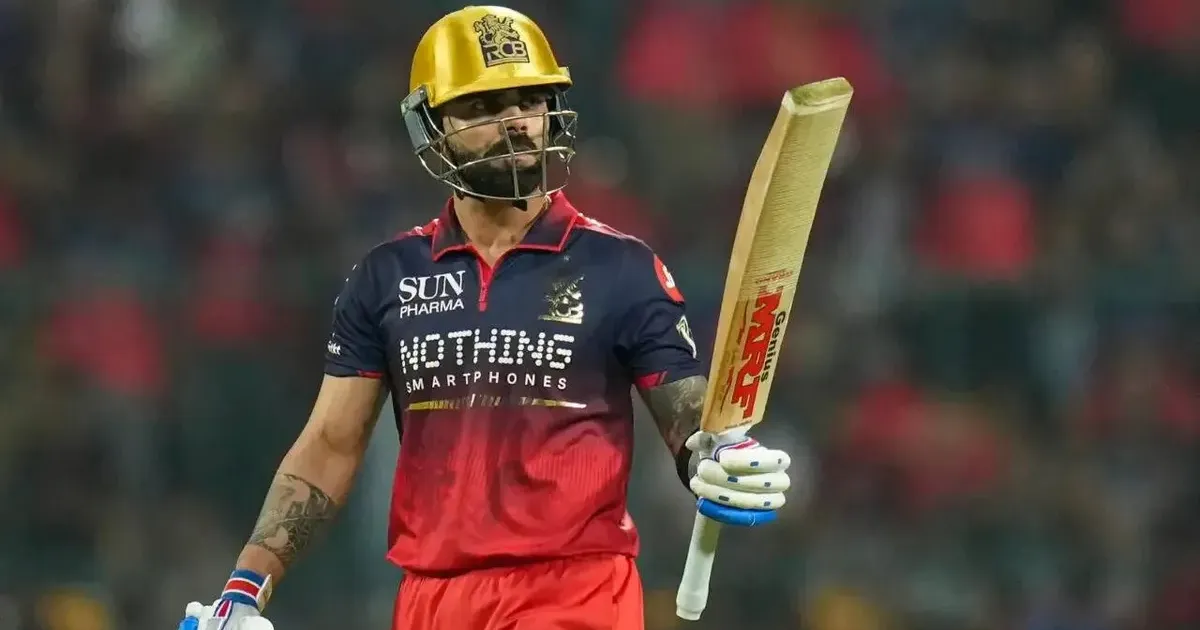
Royal Challengers Bengaluru did not merely chase 202 against Sunrisers Hyderabad. They made the target look outdated. In the IPL opener at M. Chinnaswamy Stadium on March 28, 2026, RCB reached 203 for 4 in 15.4 overs, completing the fastest 200-plus chase in IPL history and beating SRH by six wickets.
Virat Kohli finished unbeaten on 69 from 38 balls. Devdutt Padikkal supplied the violent middle of the chase with 61 from 26. Their 101-run stand turned what should have been a demanding target into a controlled sprint. By the time Kohli finished the match with a late burst, the final overs had become irrelevant.
The record element was not decorative. RCB completed a 200-plus chase in fewer overs than any IPL side before them, and Kohli crossed 4,000 runs in IPL chases. The two facts told the same story: Bengaluru combined old chase craft with a tempo fast enough for the modern tournament.
Padikkal Changed The Required Rate
The chase turned when Padikkal refused to let the target create pressure. He attacked early, hit through the line and forced Sunrisers to defend before they had settled into their bowling plan. His 61 did not just add runs. It changed the match state.
That gave Kohli the exact platform he prefers. He did not have to manufacture panic shots. He could keep the chase aligned, feed the batter in rhythm and then take over when the game was already slipping away from SRH. Kohli later made clear that Padikkal's hitting allowed him to keep giving the strike back and let the innings move at a pace that also helped net run rate.
RCB's captaincy group also read the conditions correctly. The surface became easier for batting in the second innings, and Bengaluru punished that change by playing straight and fast rather than trying to overcomplicate the chase. Dew and a quick outfield helped, but they do not explain away the precision of the response.
Kohli's Milestone Came Inside A Practical Chase
Kohli's 4,000-run mark in IPL chases matters because it fits his career identity. He has built much of his T20 reputation on controlling pursuit innings, knowing when to absorb pressure and when to finish. Against Sunrisers, the more important point was that the control came with speed.
The familiar criticism of senior anchors is that they can make a chase look orderly while allowing the required rate to climb. Kohli avoided that trap. He moved quickly enough to stay ahead of the equation and then closed with authority once the target was within reach.
There was also a reputation repair inside the night. A missed chance in the field could have lingered if RCB had stumbled. Instead, Kohli's unbeaten chase pushed that moment out of the story. In T20 cricket, reputations can swing within minutes. This time, the correction came with the bat.
Sunrisers Left Too Much To Defend Late
Sunrisers Hyderabad had enough batting to make 201 for 9 feel competitive. Ishan Kishan's 80 gave the innings a base, and the visitors had moments when a larger total looked possible. The problem was that the final number did not match the platform.
RCB's early bowling work, led by Jacob Duffy's new-ball impact, prevented SRH from turning a strong start into a 220-plus score. That difference mattered at Chinnaswamy. A total just above 200 can be chased if the second innings begins cleanly. RCB made it begin cleanly, then never let SRH drag the game back.
Sunrisers also had tactical questions after the chase. Their powerplay and middle-overs options did not disrupt Padikkal, and once Kohli was set, the bowling looked reactive. Against a defending champion playing at home, reactive bowling is usually punished fast.
RCB's Opener Was A Model, Not A Verdict
The win does not make Bengaluru champions again by itself. IPL seasons are too long, too tactical and too dependent on squad depth for one opener to settle anything. But it did show a repeatable idea: early bowling damage, a fast second-wicket partnership, Kohli finishing and enough tempo to protect net run rate.
That is more valuable than a chaotic last-over win. RCB did not survive the chase. They compressed it. They turned 202 into a target reached with 26 balls unused, which is exactly why the result carried statistical and psychological weight.
The harder question is whether the same structure works away from ideal chasing conditions. Slower surfaces, better death bowling and deeper attacks will ask harder questions. But on opening night, RCB gave the rest of the league a clean warning: if Kohli's control and Padikkal's acceleration share the same innings, even a 200-plus target can disappear before the match reaches its final act.