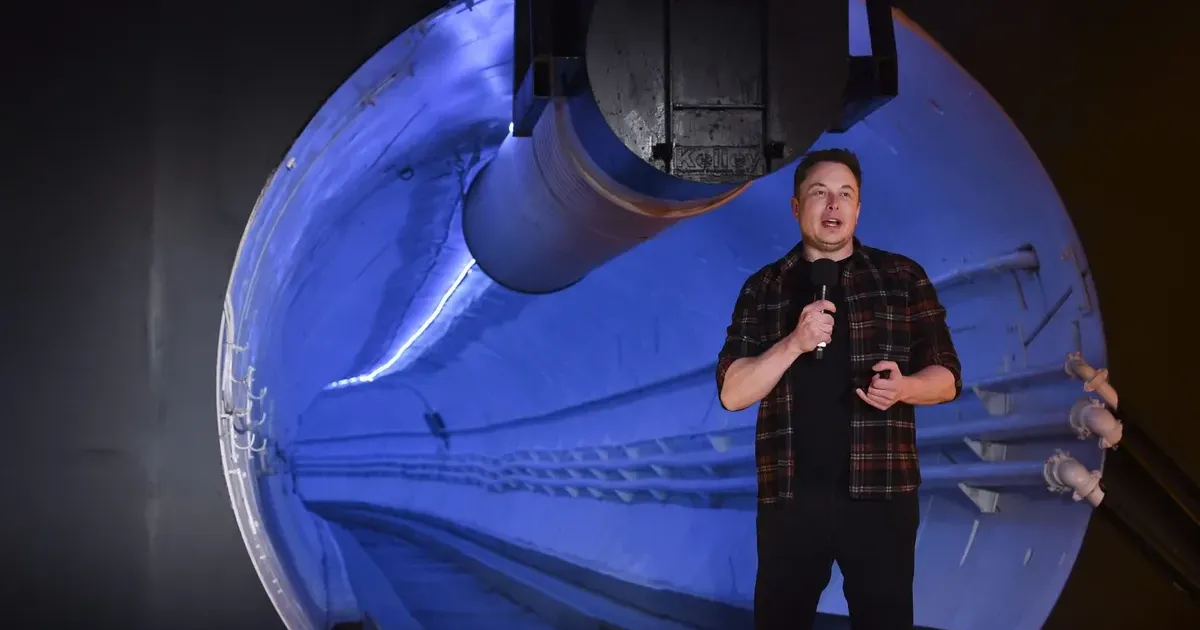
Baltimore's quick retreat from a proposed Boring Company tunnel around M&T Bank Stadium shows how much harder Elon Musk-linked infrastructure pitches have become for local officials. The project was marketed as a free opportunity. It still collapsed almost immediately once public approval, city authority and Musk's broader political brand entered the frame.
The Ravens Loop proposal had been selected through the Boring Company's Tunnel Vision Challenge, a contest for short tunnel projects the company said it would explore at its own expense. The Ravens later said the concept was only exploratory and that, after discussions with public partners, they would not continue.
The reversal landed in the same news cycle as Baltimore's lawsuit against xAI, another Musk company. That timing turned a local transportation pitch into a wider test of whether cities still want to attach their names to Musk's corporate network.
Baltimore Pulls Back From Ravens Loop
The proposed Ravens Loop was framed as a one-mile tunnel concept near the football stadium. It was not an approved public works project, and Baltimore Mayor Brandon Scott made clear that the Ravens could not move such a plan forward without government approval.
That point matters. A privately offered tunnel still touches public streets, public safety, transportation planning, land use and emergency access. Free construction does not make a project free of public responsibility.
City officials were already taking a confrontational posture toward Musk's businesses because of the xAI lawsuit, which alleged harms tied to generative AI content and platform practices. Whether or not that lawsuit directly killed the tunnel, it made the political environment unmistakable: Baltimore leaders were not in the mood to grant Musk the benefit of the doubt.
Nashville Shows The Brand Problem
Nashville presents the broader version of the same problem. The Boring Company's Music City Loop proposal has been pitched as an underground connection between Nashville International Airport and downtown, using Tesla vehicles rather than a conventional rail system.
Vanderbilt survey findings showed how strongly Musk's name shaped public reaction. Opposition to the tunnel plan was lower when the project was described generically, then rose to a majority when respondents were told Musk was behind it. The numbers turned brand recognition into a liability rather than an asset.
That is a serious problem for a company built around its founder's reputation. The Boring Company is not merely selling tunneling capacity. It is selling trust that a complex urban mobility project will be safe, transparent, useful and politically manageable. Musk's public image now complicates every part of that sale.
Infrastructure Cannot Run On Celebrity Alone
The Boring Company's pitch has always depended on simplicity: dig faster, build cheaper, move people through tunnels without the bureaucracy of traditional transit. That message can be attractive to officials frustrated by slow procurement and expensive rail projects.
But urban infrastructure is not a consumer gadget. It must answer questions about capacity, accessibility, emergency response, environmental review, land rights, labor, insurance and public control. Those questions do not disappear because a tunnel is privately financed or branded as innovative.
Nashville council opposition and Baltimore's withdrawal both reflect that reality. Local governments may welcome outside investment, but they do not want to inherit political and operational risks they cannot control.
Musk's Companies Now Share Political Risk
The hardest issue for Musk is that his companies are increasingly evaluated together. A legal fight involving xAI can affect the public mood around the Boring Company. Federal political controversy can affect local reaction to a transit proposal. The founder's brand no longer lifts each venture equally; it can drag them into the same dispute.
That does not mean every tunnel proposal will fail. It does mean mayors, councils and state officials will treat the association as a cost to be priced in. A project that once looked like a free civic upgrade can quickly become a referendum on Musk himself.
The tunnel business now faces a brutal branding problem. Engineering specifications are no longer enough. If the public believes the project imports legal exposure, ideological conflict and weak local control, even a free tunnel starts to look expensive.